


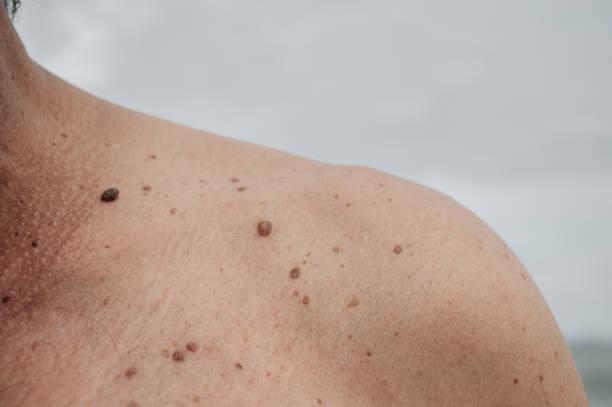
Cosmetic mole removal is a procedure performed to improve the appearance of the skin by removing benign moles that are visible, raised, or cause self-consciousness. Many individuals choose this option for moles on the face, neck, or other prominent areas that affect their confidence. Mole Removal in Riyadh The process involves a consultation, the removal procedure itself, and a recovery period where the skin heals and any scarring gradually fades.
The Consultation Process
Your journey begins with a consultation where a dermatologist or plastic surgeon assesses your mole and discusses your goals. During this appointment, the doctor will examine the mole to confirm it is benign and determine the most suitable removal technique. It is important to note that any mole removed, even for cosmetic reasons, is typically sent for pathology testing to definitively confirm it is harmless. The consultation is also your opportunity to ask about the procedure, recovery time, expected outcomes, and potential scarring.
Removal Techniques and What They Involve
The method your doctor recommends depends on the mole's size, type, and location. Here is a breakdown of common cosmetic removal techniques:
-
Shave Excision: This technique is used for raised moles. The mole is carefully shaved off at skin level using a surgical blade, usually without stitches. It leaves a flat area that heals with minimal scarring and is a quick option for benign growths.
-
Surgical Excision: For larger or deeper moles, the doctor cuts out the entire mole along with a small margin of surrounding skin and closes the wound with fine stitches. This method is more thorough, provides a complete tissue sample for biopsy, and has a lower risk of the mole growing back, but it leaves a small linear scar.
-
Laser Removal: This precise method uses light energy to break down pigment in flat, superficial moles. It is non-invasive, leaves minimal to no scarring, and is often chosen for moles on the face. However, because it destroys the tissue, it is only suitable for moles that have been confirmed as completely harmless.
-
Cryotherapy: This involves freezing the mole with liquid nitrogen, causing it to blister and fall off. It is a quick option for very small, superficial lesions but is not ideal for deep moles.
The procedure is performed under local anaesthetic, so you will not feel pain, only some pressure.
Recovery and Healing Timeline
After the procedure, your skin enters a healing phase. Here is a general timeline of what to expect:
-
First 1-2 Weeks: You will have a small wound or scab. You need to keep the area clean and dry and follow your doctor's dressing change instructions. If you had stitches, they are usually removed within 5 to 14 days, depending on the location.
-
Weeks to Months: The area will appear pink or red for several weeks as new skin forms. This is a normal part of the healing process.
-
6-12 Months: The scar gradually fades, softens, and becomes less noticeable. The final cosmetic outcome develops over this period as the skin remodels.
Aftercare for Best Results
Proper aftercare is essential for minimising scarring and promoting smooth healing. Key steps include keeping the area clean, applying any prescribed ointments, and avoiding picking at the scab. Sun protection is non-negotiable: the new skin is vulnerable to UV damage, which can cause permanent darkening of the scar. Use a broad-spectrum SPF 30+ sunscreen on the area for at least 6 to 12 months.
For those seeking expert guidance and customised aesthetic care, you can book an appointment consultation at the Enfield Royal Clinic.
Frequently Asked Questions
Is mole removal for cosmetic reasons painful?
No, the procedure is performed under local anaesthetic, which numbs the area completely. You may feel mild soreness or stinging afterwards, which usually settles within a few days.
How long does it take to heal after cosmetic mole removal?
Initial healing takes 1 to 2 weeks. However, the scar will continue to mature and fade over 6 to 12 months.
Will there be a scar after mole removal?
Some degree of scarring is expected, but modern techniques aim to minimise it. The scar is often much less noticeable than the mole itself and fades over time.
Can a mole grow back after being removed?
There is a small chance a mole may grow back if some pigment cells remain, which is more common after shave removal or laser treatment. Complete surgical excision has the lowest risk of recurrence.
How do I choose between shave removal and surgical excision?
Your doctor will recommend the best method based on the mole's characteristics. Shave removal is suitable for raised moles and leaves minimal scarring, while excision is needed for deeper moles and ensures complete removal.

 Arabic
 French
 Spanish
 Portuguese
 Deutsch
 Turkish
 Dutch
Dutch
 Italiano
 Russian
 Romaian
 Portuguese (Brazil)
 Greek
Greek