


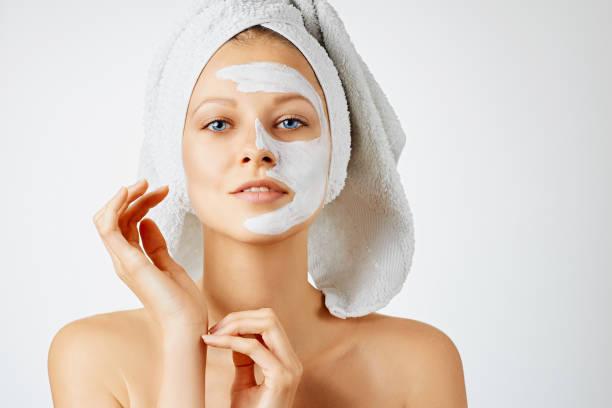
A deep cleansing facial is only as effective as its individual steps. Exfoliation, extraction, and aftercare each play a distinct role—and skipping or rushing any one of them limits the results you receive. Deep Cleansing Facial in Riyadh Understanding what happens during each stage, why it matters, and how to care for your skin afterward transforms a routine appointment into a genuinely effective treatment. This guide breaks down the complete process from preparation through post-facial care.
Why the Process Matters as Much as the Treatment
Many people judge a facial solely by how their skin looks afterward. But results depend on how each step is performed, not just that it was performed.
Proper exfoliation prepares skin for extraction. Careful extraction clears what exfoliation cannot reach. Thoughtful aftercare protects the skin while it recovers. Each stage supports the next.
Step One: Cleansing and Skin Assessment
Every effective facial begins with thorough cleansing to remove makeup, oil, and surface debris. This creates a clean canvas for the steps that follow.
A professional also assesses your skin during this stage, identifying congestion, sensitivity, and areas requiring gentler handling. This assessment shapes how the rest of the treatment proceeds.
Step Two: Exfoliation Explained
Exfoliation removes dead cells that accumulate on the skin's surface. This buildup dulls complexion, roughens texture, and traps oil inside pores.
Professional exfoliation uses enzymes, alpha-hydroxy acids, or beta-hydroxy acids selected for your skin type. Salicylic acid suits oily, congested skin, while gentler lactic acid works well for drier types.
How Exfoliation Prepares Skin for Extraction
Exfoliation softens the top layer of skin and loosens debris around pore openings. This makes subsequent extraction easier, more thorough, and less uncomfortable.
Skipping or rushing exfoliation means extraction becomes harder and less effective. The steps are sequenced deliberately for this reason.
Step Three: Steam and Pore Softening
Steam is applied to soften hardened sebum inside pores. Warm moisture relaxes the skin and makes congestion more pliable.
This step significantly improves extraction efficiency. It also increases circulation, contributing to the healthy glow patients notice afterward.
Step Four: Extraction Done Properly
Extraction involves removing blackheads, whiteheads, and sebum plugs using sterile tools and gentle pressure. Technique matters enormously here.
Proper extraction targets individual pores without damaging surrounding tissue. Poor technique causes scarring, spreads inflammation, and can enlarge pores rather than clearing them.
What Extraction Should and Should Not Feel Like
Mild pressure and brief discomfort are normal, particularly around the nose and chin. The sensation should be tolerable, not unbearable.
Sharp pain, prolonged pressure, or aggressive squeezing indicate poor technique. Speak up if something feels wrong—professionals adjust accordingly.
Step Five: Masking and Targeted Treatment
After extraction, a purifying or calming mask is applied. Purifying masks draw out residual impurities, while calming masks reduce redness and soothe irritated skin.
Some treatments include targeted serums addressing specific concerns like hydration, brightening, or oil control. This stage tailors the facial to your skin's needs.
Step Six: Hydration and Protection
The final step restores moisture and supports the skin barrier. Moisturizers, serums, and sun protection seal in hydration and protect freshly treated skin.
Hydration is what transforms clean skin into refreshed skin. Without it, skin may feel tight and look dull despite thorough cleansing.
Immediate Aftercare: The First Twenty-Four Hours
Avoid touching your face, and skip makeup for at least twelve hours if possible. Pores remain open briefly after treatment, making skin more vulnerable.
Skip strenuous exercise, saunas, and hot showers for the day. These increase blood flow and may intensify redness or irritation.
Caring for Skin in the Following Days
Avoid harsh actives like retinoids and strong acids for several days. Your skin needs time to recover before resuming potent products.
Keep skin hydrated and protected. Gentle cleansing and moisturizing support the healing process without causing irritation.
Sun Protection After Treatment
Freshly treated skin is more sensitive to ultraviolet damage. Sun exposure can darken scars, trigger pigmentation, and undo the benefits of treatment.
Apply broad-spectrum sunscreen daily, even indoors near windows. Pair with hats and shade during outdoor activities for the first week especially.
Managing Normal Reactions
Mild redness, tightness, and slight flaking are normal after deep cleansing. These typically resolve within hours to a few days.
Occasional minor breakouts may occur as pores purge trapped congestion. This usually settles within a week and indicates the treatment worked.
Knowing When to Seek Advice
Contact your provider if you experience severe irritation, prolonged redness, significant swelling, or painful breakouts lasting beyond a few days.
Adverse reactions are uncommon but should never be ignored. Prompt attention resolves most concerns quickly.
How Often to Repeat the Process
Most skin types benefit from deep cleansing every four to six weeks, aligning with the natural cell renewal cycle. Oily or congested skin may need monthly sessions.
Consistency maintains results. Spacing treatments too far apart allows buildup to return, undoing previous progress.
For those seeking expert guidance and customized aesthetic care, you can book an appointment consultation at the Enfield Royal Riyadh.
FAQs
Why is exfoliation important before extraction?
It softens skin and loosens debris, making extraction easier and more effective.
Does extraction hurt?
Mild discomfort is normal, but it should never be sharply painful.
What should I avoid after a facial?
Avoid makeup, harsh actives, exercise, saunas, and sun exposure for at least a day.
How long does redness last after a facial?
Mild redness usually fades within a few hours, occasionally lasting a day.
How often should I get a deep cleansing facial?
Every four to six weeks suits most skin types; oily skin may need monthly sessions.
Final Thoughts
A deep cleansing facial delivers results through a sequence of carefully performed steps. Exfoliation prepares skin, extraction clears congestion, masking targets concerns, and hydration restores radiance. Aftercare protects everything the treatment achieved. Understanding each stage helps you appreciate why professional facials outperform home routines—and how to make their benefits last.

 English
 Arabic
 French
 Spanish
 Portuguese
 Deutsch
 Dutch
Dutch
 Italiano
 Russian
 Romaian
 Portuguese (Brazil)
 Greek
Greek