


What Is the Difference Between Acne Marks, Acne Scars, and Active Pimples?
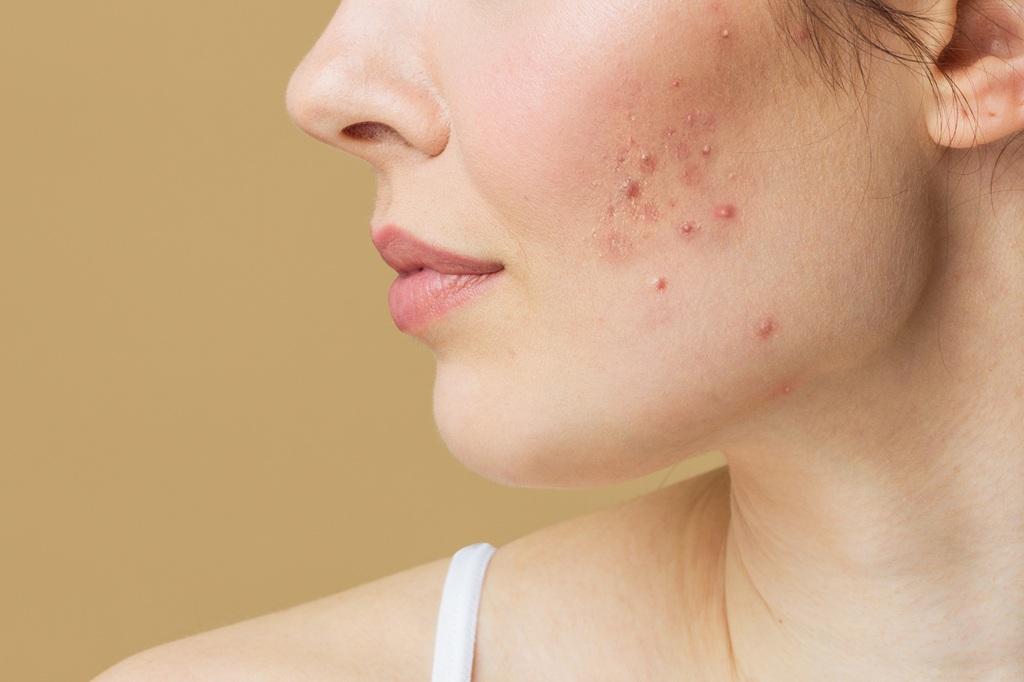
Have you ever looked in the mirror and wondered whether the spots on your face are old acne marks, permanent scars, or pimples that have not completely healed? These concerns can look similar, but they are actually different skin conditions and require different treatments. Some people have active breakouts alongside dark marks and uneven skin texture, making it difficult to know where to begin. Understanding these differences is an important first step when considering Pimple Treatment in Islamabad.
Active pimples involve ongoing inflammation, acne marks are usually changes in skin colour after a breakout, and acne scars involve alterations in the skin's structure. Identifying which condition you have helps prevent unnecessary treatments and ensures that each concern receives the right attention.
What Are Active Pimples?
Active pimples are acne lesions that are still developing or inflamed. They form when hair follicles become blocked with excess sebum and dead skin cells, allowing inflammation to develop inside the pores.
They can appear as small bumps, whiteheads, blackheads, red pimples, or deeper painful nodules. Some lesions remain close to the skin's surface, while others develop deeper within the tissue.
Hormonal changes, genetics, oil production, and certain skincare habits can contribute to recurring breakouts. Active acne needs treatment to control inflammation and prevent further skin damage.
What Are Acne Marks?
Acne marks are areas of discolouration that remain after a pimple has healed. Unlike true acne scars, these spots are generally flat and do not create permanent depressions or raised areas in the skin.
One common type is post-inflammatory hyperpigmentation (PIH). It develops when inflammation stimulates melanin production, leaving brown, dark brown, or greyish marks behind.
Another type is post-inflammatory erythema (PIE), which appears as pink, red, or purplish marks caused by changes in the small blood vessels following inflammation. These colour changes are particularly noticeable after inflammatory acne.
For Pakistani patients with medium to darker skin tones, brown or greyish pigmentation can be a persistent concern. Most flat acne marks gradually improve over time, although some may require targeted treatment.
What Are True Acne Scars?
Acne scars develop when inflammation damages the deeper layers of the skin and affects the normal collagen structure during healing. Unlike flat pigmentation, these marks change the actual texture or shape of the skin.
Some scars develop as depressions, while others become raised because of excessive collagen production. Deep inflammatory acne, delayed treatment, and repeated picking can increase the risk of permanent scarring.
True acne scars usually do not disappear completely on their own, although their appearance can improve with appropriate procedures. Treating established scars requires a different approach from simply fading dark marks.
How Can You Recognise the Difference Between These Three Conditions?
Although they can occur together, active pimples, acne marks, and acne scars have different visible characteristics.
| Skin concern | What it looks like | Main treatment goal |
|---|---|---|
| Active pimples | Red, swollen, clogged, or painful bumps | Control acne and inflammation |
| Acne marks | Flat brown, grey, red, or pink spots | Improve uneven skin colour |
| Acne scars | Depressed or raised areas with altered texture | Improve skin structure and contour |
For example, someone may have active pimples around the chin, flat brown marks on the cheeks, and small depressed scars near the temples.
One person can have all three concerns simultaneously, which is why a single treatment rarely addresses everything.
Which Treatments Are Used for Active Pimples?
The treatment of active acne focuses on controlling excess oil, blocked pores, and inflammation. The appropriate option depends on whether the acne is mild, moderate, or severe.
For mild to moderate acne, dermatologists may recommend topical ingredients such as benzoyl peroxide, adapalene, or azelaic acid. More persistent inflammatory acne may require prescription treatment, while severe nodular or cystic acne may need specialist assessment for oral medication such as isotretinoin.
The purpose is to prevent new lesions from developing and reduce the risk of additional marks and scars. Active acne should generally be brought under control before intensive scar correction begins.
How Are Dark Acne Marks Treated?
Flat pigmentation can often be managed with carefully selected topical treatments. Ingredients such as azelaic acid, retinoids, and, in selected cases, medically supervised hydroquinone may help improve uneven skin colour.
Daily sun protection is equally important because ultraviolet exposure can make existing pigmentation more persistent. A broad-spectrum sunscreen with at least SPF 30 is a useful part of an acne-mark treatment routine.
Selected chemical peels may also help, depending on pigmentation depth, skin sensitivity, and the risk of further discolouration. For darker skin tones, conservative treatment and careful monitoring are particularly important because irritation can trigger additional pigmentation.
What Procedures Can Improve Deep Acne Scars?
The choice of procedure depends on the type, depth, and distribution of existing scars. A dermatologist or qualified scar-treatment specialist may recommend one or more techniques.
Rolling scars may respond to subcision, which releases fibrous bands pulling the skin downwards. Microneedling and fractional laser resurfacing may help selected depressed scars by stimulating collagen remodelling.
Narrow, deep ice-pick scars may require specialised approaches such as TCA CROSS or punch techniques, while certain raised scars may be treated with corticosteroid injections. There is no universal scar procedure because each type involves different structural changes.
Can All Three Conditions Be Treated at the Same Time?
They can be managed within the same overall treatment plan, but not necessarily through procedures performed simultaneously.
For example, a dermatologist may prescribe medication for active acne while recommending suitable skincare for pigmentation. More intensive resurfacing or scar procedures are generally planned once inflammatory breakouts are adequately controlled.
This staged approach helps reduce irritation and the risk of creating additional marks. The clinician must also consider previous acne medication, skin sensitivity, and recovery requirements before selecting a procedure.
The priority is to control new breakouts, improve pigmentation, and then address established scars safely.
Why Is Professional Assessment Important Before Choosing Treatment?
Using the wrong treatment can sometimes make skin concerns worse. A person who mistakes pigmentation for a depressed scar may spend money on unnecessary procedures, while someone with active inflammatory acne may delay the medication they actually need.
During Pimple Treatment in Islamabad, a proper assessment should examine active lesions, skin colour changes, scar depth, and overall skin sensitivity. The specialist should also review previous treatments and determine whether hormonal or other medical factors are contributing to recurring acne.
This is particularly important for patients prone to post-inflammatory hyperpigmentation, because overly aggressive procedures may create additional dark marks.
Accurate diagnosis is more valuable than choosing a treatment simply because it is popular.
Final Thoughts
Active pimples, acne marks, and acne scars may appear together, but they represent different stages or consequences of acne. Active breakouts require inflammation control, flat marks need pigmentation management, and true scars often require targeted procedures to improve skin texture. Understanding the difference helps you avoid unsuitable treatments and develop a more effective long-term skincare plan.
For individuals considering Pimple Treatment in Islamabad, Dynamic Aesthetic Clinic offers personalised skin consultations, experienced board-certified surgeons, and advanced aesthetic techniques for acne, pigmentation, and scar-related concerns. Its team can assess individual skin conditions and discuss suitable treatment options based on the type of acne damage and your aesthetic goals.
 Dutch
 English
 Arabic
 French
 Spanish
 Portuguese
 Deutsch
 Turkish
 Italiano
 Russian
 Romaian
 Portuguese (Brazil)
 Greek