


Epilepsy and Seizures: What it is, Symptoms, and Treatment
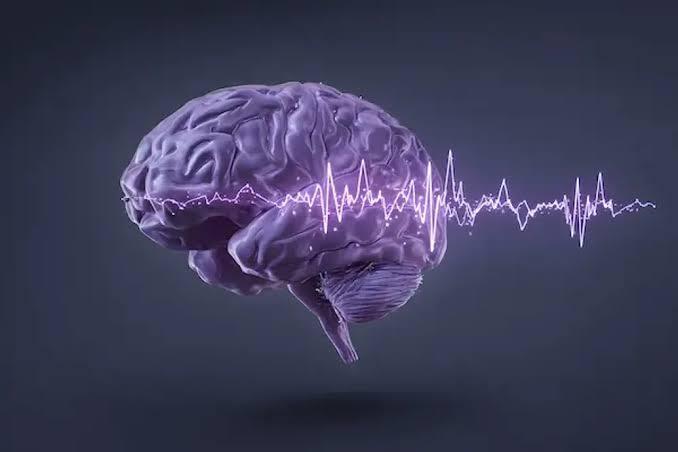
Epilepsy is a neurological condition that affects the brain and can cause repeated seizures. A seizure occurs when there is a sudden burst of abnormal electrical activity in the brain, temporarily affecting a person's movements, behaviour, awareness or sensations. Although epilepsy can be frightening for patients and their families, proper diagnosis and treatment can help many people manage the condition and lead fulfilling lives.
Understanding the symptoms, possible causes and available treatment options is important for recognising epilepsy early.
What Is Epilepsy?
Epilepsy is a neurological disorder characterised by an enduring tendency to experience recurrent unprovoked seizures. A single seizure does not necessarily mean a person has epilepsy. Seizures can also occur due to fever, low blood sugar, infections, head injuries or other medical conditions.
Epilepsy can affect people of any age, including children and older adults. Its causes may include genetic factors, previous brain injuries, stroke, brain infections or structural changes in the brain. In some individuals, the exact cause remains unknown.
Common Symptoms of Epilepsy and Seizures
Seizure symptoms vary depending on the part of the brain involved. Common signs include:
-
Uncontrolled Movements: Repeated jerking or stiffening of the arms and legs.
-
Temporary Loss of Awareness: Staring blankly or becoming unresponsive for a short period.
-
Sensory Changes: Unusual smells, tastes, sounds or tingling sensations.
-
Confusion: Feeling disoriented during or after a seizure.
-
Sudden Emotional Changes: Experiencing unexplained fear or unusual sensations.
-
Loss of Consciousness: Falling or becoming completely unaware of surroundings.
Not all seizures involve shaking or falling. Some may be subtle and easily mistaken for daydreaming or brief lapses in attention.
Types of Seizures
Seizures are broadly classified according to where they begin in the brain.
-
Focal Seizures: Begin in one area of the brain and may occur with or without impaired awareness.
-
Generalised Seizures: Involve networks on both sides of the brain from the beginning and may affect awareness, movement or both.
-
Unknown-Onset Seizures: Used when the beginning of the seizure cannot be established.
A neurologist can help identify the seizure type through clinical evaluation and appropriate investigations.
How Is Epilepsy Diagnosed?
Accurate diagnosis is essential for selecting the right treatment. A neurologist may review the patient's medical history, seizure description and family history. Investigations may include:
-
EEG: Records the brain's electrical activity.
-
MRI Brain: Helps identify structural abnormalities.
-
Blood Tests: May help detect metabolic or other medical causes.
-
Additional Monitoring: Sometimes required to clarify uncertain episodes.
Epilepsy Treatment Options
Treatment depends on the seizure type, underlying cause and individual health needs.
- Anti-seizure medications are commonly used to prevent or reduce seizures.
- Surgery may be considered for selected patients whose seizures do not respond to suitable medications.
- Dietary therapies, such as a medically supervised ketogenic diet, may help certain patients.
- Regular sleep, medication adherence and avoiding individual seizure triggers can support management.
Never stop anti-seizure medication without consulting your doctor.
What to Do During a Seizure
Keep the person safe, move nearby dangerous objects away, cushion their head and turn them gently onto their side when possible. Do not restrain them or put anything in their mouth. Time the seizure.
Seek emergency help if a seizure lasts five minutes or longer, another seizure begins before recovery, breathing is difficult, or the person is injured or experiencing their first known seizure.
Consult a Neurologist in Delhi
Early diagnosis and appropriate treatment can make a meaningful difference in epilepsy management. At Neurology and Pain Management Clinic (NPMC), Dr. Gautam Arora, Neurologist in Delhi, provides neurological evaluation and guidance for patients experiencing seizures and other neurological conditions.
If you or a family member experiences unexplained seizure-like episodes, consult a neurologist for proper assessment and personalised care.

 Arabic
 French
 Spanish
 Portuguese
 Deutsch
 Turkish
 Dutch
 Italiano
 Russian
 Romaian
 Portuguese (Brazil)
 Greek