


What Is a Seroma and Why Can It Develop After Liposuction?
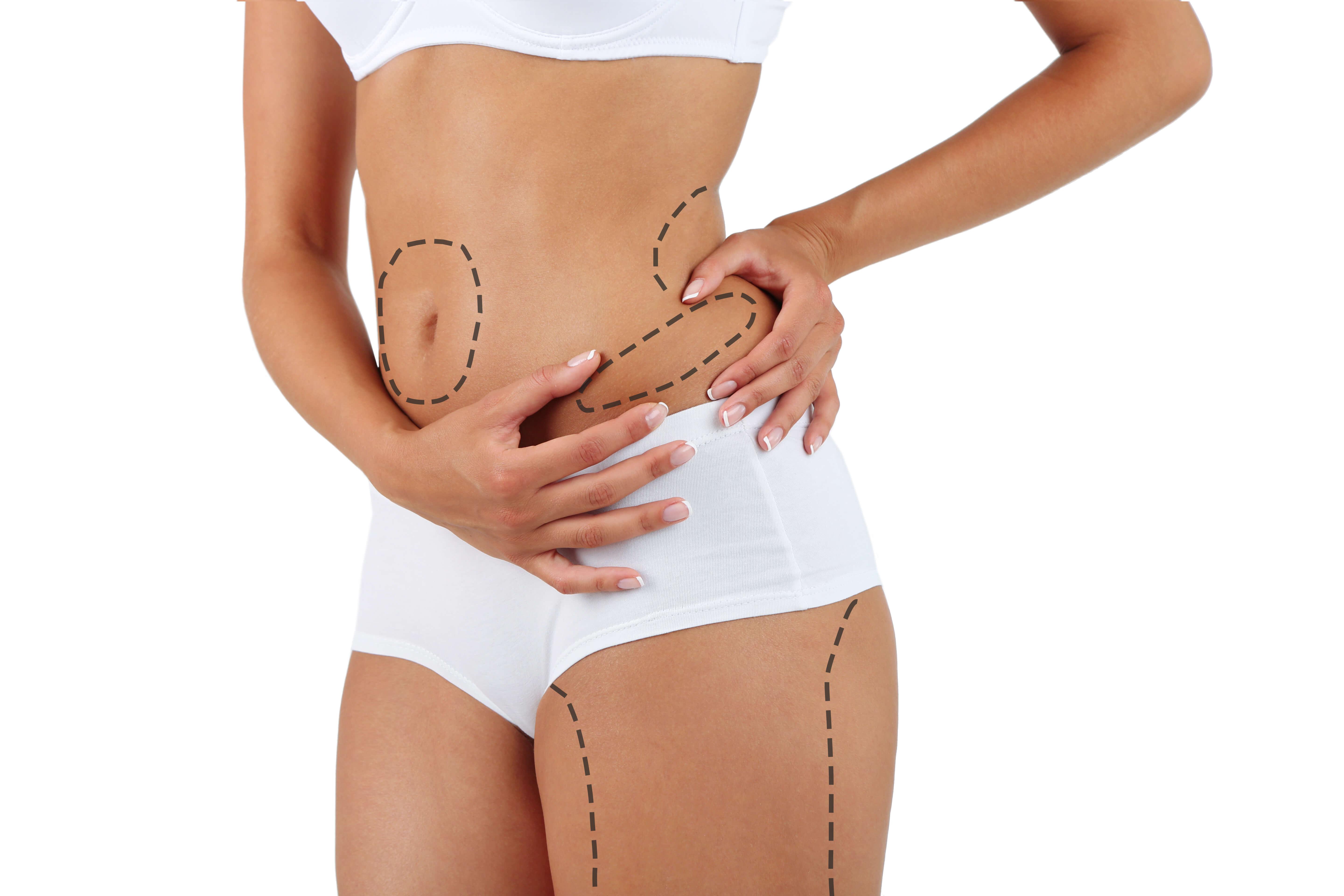
Not all swelling after liposuction is simply part of the normal healing process. Sometimes, fluid collects in a small pocket beneath the skin, creating a noticeable bulge or a sensation that something is moving under the treated area. This condition is called a seroma, and although it can often be managed successfully, it should not be ignored.
For patients considering Liposuction In Islamabad, understanding seromas is an important part of learning about possible post-operative complications. Knowing what causes them, how they differ from ordinary swelling, and when they require treatment can help patients make informed decisions about surgery and recovery.
What Exactly Is a Seroma?
A seroma is a collection of clear or pale-yellow fluid that builds up in a space beneath the skin after surgery. The fluid is known as serous fluid and contains components derived from blood plasma and lymphatic fluid.
During liposuction, a cannula moves through the fatty layer to remove unwanted fat. This creates temporary spaces within the treated tissues, while small blood vessels and lymphatic channels may also be disturbed.
If fluid accumulates faster than the body can absorb it, a localised pocket may develop. A seroma is different from ordinary post-operative swelling because it involves a distinct collection of fluid rather than general tissue inflammation.
Why Can a Seroma Develop After Liposuction?
Several changes during and after surgery can contribute to seroma formation. One important factor is the creation of space between tissue layers after fat removal.
Small blood vessels and lymphatic channels may also be disrupted during the procedure. This can allow fluid to escape into the spaces created by surgery.
Excessive tissue trauma, aggressive fat removal from a particular area, and significant disruption of the supporting tissue network may increase the possibility of fluid accumulation. The extent of surgery and individual healing responses can also influence recovery.
A seroma develops when fluid collects in an area where the surrounding tissues have not yet fully settled and closed the space. <Cite refs={["turn476903search8","turn476903search9","turn476903search1"]}/>
What Are the Signs of a Seroma After Liposuction?
A seroma may not be immediately obvious because swelling, bruising, and tenderness are already common during early recovery. However, a fluid collection often has a more localised appearance than general post-operative swelling.
Patients may notice a soft bulge, a squishy sensation, or an area that seems to move slightly when pressure is applied. Some collections cause tenderness or a feeling of fullness, while smaller ones may produce very few symptoms.
Possible warning signs include:
-
Localised swelling: A distinct bulge develops in one part of the treated area.
-
Fluid-like movement: The area feels soft or fluctuant rather than uniformly firm.
-
Increasing fullness: A previously improving area starts looking more swollen.
-
Tenderness or discomfort: The collection creates pressure or soreness.
-
Changes near an incision: The surgical area may feel stretched or appear unusually swollen.
These signs do not confirm a seroma. A surgeon needs to examine the area to determine whether the swelling is caused by fluid, inflammation, bleeding, or another complication.
When Does a Seroma Usually Appear?
A seroma can develop during the early stages of recovery, sometimes becoming noticeable around the first week after surgery. However, the timing varies, and a collection may appear later as well.
Some patients notice a new pocket of swelling after their initial bruising has started to disappear. This can be confusing because they may expect the treated area to become progressively smaller as recovery continues.
A new or enlarging bulge deserves attention, particularly if it feels different from the surrounding tissues. The disappearance of bruising does not rule out a developing fluid collection.
What Is the Difference Between a Seroma and Normal Swelling?
Normal swelling is part of the body's inflammatory response to surgery. It generally affects a broader area and gradually improves as the tissues repair themselves.
A seroma, in contrast, is a more defined pocket of fluid. It may feel soft and fluctuant, sometimes with a noticeable boundary between the collection and the surrounding tissue.
Other conditions can produce similar changes. A haematoma involves a collection of blood, while an abscess is a collection of infected material. These conditions require different assessments and treatments.
It is important not to diagnose a lump or swollen area by touch alone. A clinical examination, and sometimes ultrasound, can help identify the actual cause. <Cite refs={["turn476903search1","turn476903search6"]}/>
How Do Surgeons Diagnose a Seroma?
Diagnosis usually begins with a physical examination and a discussion of when the swelling started. The surgeon checks the affected area for fluid movement, tenderness, changes in skin appearance, and signs of infection.
If the diagnosis is uncertain, an ultrasound scan may be recommended. This imaging test can help identify whether fluid has collected beneath the skin and provide information about its location and extent.
The surgeon may also consider whether the patient has a haematoma, infection, or another post-operative problem. Correct diagnosis is essential because not every fluid-like swelling should be treated in the same way.
Can a Seroma Go Away Without Treatment?
Yes. Small seromas that cause little discomfort and do not interfere with healing may gradually be absorbed by the body. The surgeon may recommend observation and follow-up rather than immediately draining the fluid.
The decision depends on the size of the collection, symptoms, wound condition, and whether it is becoming smaller over time. Patients should continue following their prescribed aftercare instructions.
However, a collection that grows, causes significant discomfort, or persists may need medical intervention. Leaving a seroma alone is appropriate only when the treating surgeon considers observation safe.
How Is a Seroma Treated After Liposuction?
Treatment depends on the amount of fluid and the patient's symptoms. The aim is to manage the collection while allowing the surrounding tissues to heal properly.
For a small collection, the surgeon may recommend monitoring and suitable compression according to the patient's recovery plan. Larger or uncomfortable seromas may require aspiration, in which fluid is removed using a sterile needle and syringe by a qualified healthcare professional.
Some collections refill and need repeated drainage or further assessment. Persistent or complicated cases may require additional procedures, although surgical treatment is not necessary for most uncomplicated seromas.
Patients should never attempt to drain a swelling themselves or insert a needle into the treated area. Seroma treatment must be guided by a medical professional to reduce the risk of infection and tissue injury. <Cite refs={["turn476903search1","turn476903search0"]}/>
Can a Seroma Affect the Final Liposuction Results?
A small seroma that resolves without complications may not have a lasting effect on the final body contour. However, a larger or persistent fluid collection can stretch surrounding tissues, delay healing, and sometimes contribute to unevenness.
If infection develops, the situation can become more complicated and may require additional treatment. In some prolonged cases, a thick capsule can form around the fluid, making the collection harder to resolve.
This is why patients should attend follow-up appointments even when they feel generally comfortable. Prompt assessment helps manage fluid collections before they create further healing problems.
How Can You Reduce the Risk of a Seroma?
Although no approach can eliminate the risk completely, careful surgical technique and appropriate aftercare can help reduce avoidable complications.
The surgeon should plan the amount and distribution of fat removal carefully, avoid unnecessary tissue trauma, and provide instructions suited to the treated areas. Following wound-care guidance and wearing the recommended compression garment correctly can also support recovery.
A garment that is too tight or too loose should not be adjusted without medical advice. Patients should also avoid aggressive massage, strenuous activity, or unapproved treatments during the early healing period.
For anyone considering Liposuction In Islamabad, it is worth asking the surgeon how fluid collections are monitored and what follow-up arrangements are available.
When Should You Contact Your Surgeon?
Contact your surgical team if you notice a new or enlarging fluid-like swelling, increasing tenderness, or an area that does not improve as expected. Fever, spreading redness, unusual warmth, worsening pain, or pus-like discharge may indicate infection and require urgent medical assessment.
Do not wait for a routine appointment if these symptoms develop. Early evaluation can help determine whether drainage, medication, or another form of treatment is needed.
Changes during recovery deserve attention, even when the surgical incisions appear to be healing normally.
Final Thoughts
A seroma is a collection of fluid beneath the skin that can develop after liposuction when fluid accumulates in spaces created during surgery. Although smaller collections may resolve naturally, larger or persistent ones sometimes require medical treatment. Recognising unusual swelling and seeking timely assessment can help prevent unnecessary complications and support a smoother recovery.
For patients considering Liposuction In Islamabad, Plastic Surgery Clinic offers personalised body-contouring consultations supported by experienced board-certified surgeons and advanced surgical techniques. Its team can explain possible complications, assess individual suitability, and guide patients through appropriate surgical planning and post-operative care.

 Arabic
 French
 Spanish
 Portuguese
 Deutsch
 Turkish
 Dutch
 Italiano
 Russian
 Romaian
 Portuguese (Brazil)
 Greek