


What Are the Different Types of Chemical Peel Treatment?
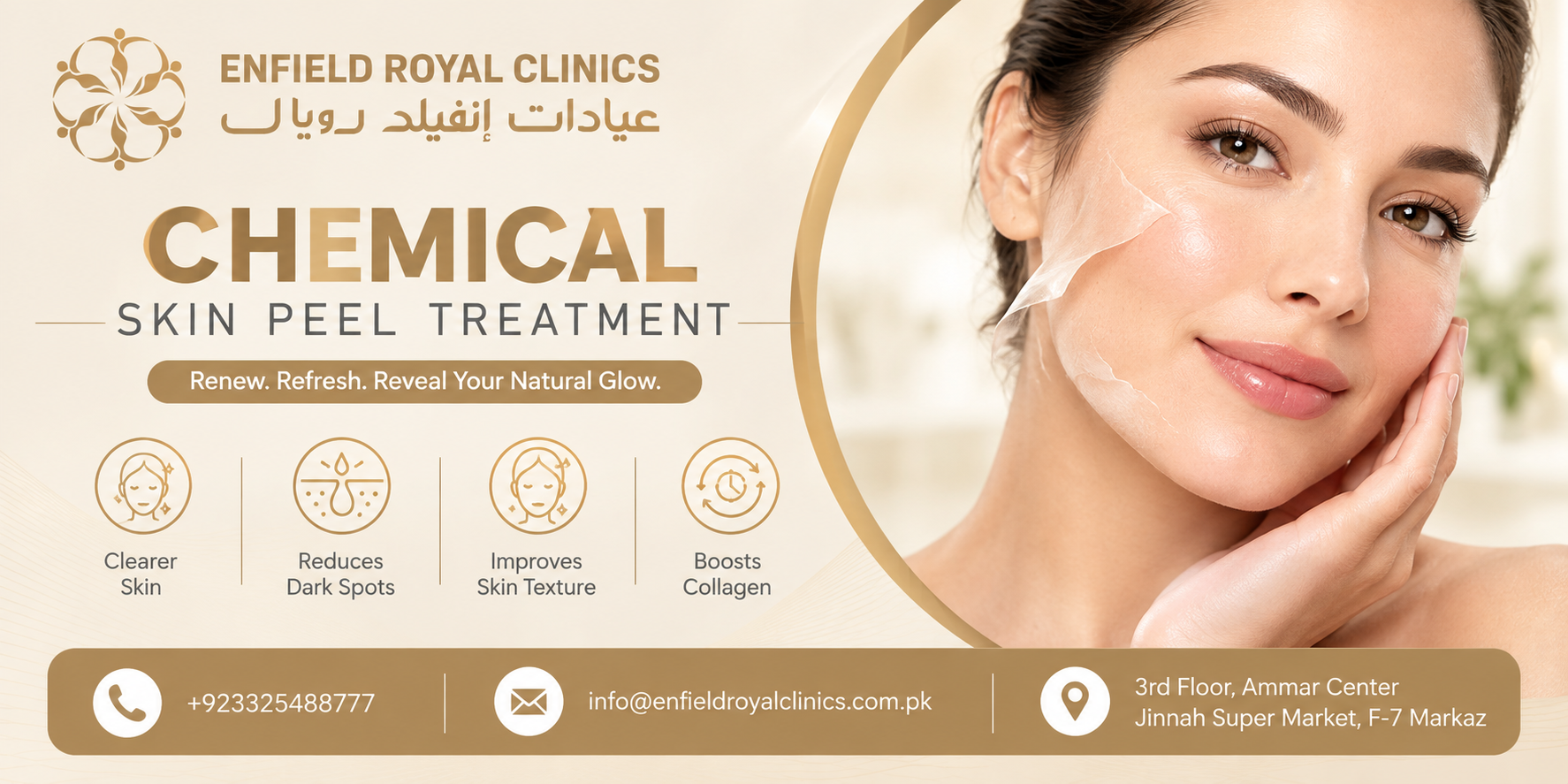
Chemical peels are popular skin treatments designed to improve skin texture, reduce discoloration, and create a smoother, brighter complexion. They work by applying a specially formulated chemical solution to the skin, helping remove damaged outer layers and encouraging the growth of fresh skin cells. Depending on the ingredients and strength used, chemical peels can address concerns such as acne, dark spots, fine lines, uneven skin tone, and dullness.
People considering Chemical peel treatment in islamabad may come across several types of peels. Each type has different ingredients, strengths, benefits, and recovery requirements. Choosing the right option depends on skin type, sensitivity, existing concerns, and the results a person wants to achieve.
Understanding the different types can help individuals make informed decisions before starting treatment.
1. What Is a Superficial Chemical Peel?
A superficial chemical peel is the mildest type of chemical peel. It mainly targets the outermost layer of the skin, known as the epidermis. It is commonly used to improve mild skin concerns without requiring extensive recovery time.
These peels often contain ingredients such as alpha-hydroxy acids (AHAs), including glycolic acid and lactic acid. Some formulations may also use low concentrations of salicylic acid.
Superficial peels may help with:
-
Mild acne and clogged pores
-
Dull or tired-looking skin
-
Uneven skin tone
-
Minor roughness and dryness
-
Early signs of sun damage
-
Mild pigmentation and dark spots
The procedure usually involves applying the solution for a controlled period before removing or neutralizing it, depending on the formulation. Some people experience temporary redness, dryness, or light peeling afterward.
Because superficial peels are relatively mild, they may be performed as a series of treatments. The number and timing of sessions depend on the skin's response and the professional's recommendations.
2. What Is a Medium Chemical Peel?
A medium chemical peel works deeper than a superficial peel. It reaches the upper part of the dermis and is generally selected for more noticeable skin concerns.
Trichloroacetic acid (TCA) is commonly used for medium-depth peels, although the exact formulation and concentration vary. These treatments require careful assessment because they can cause more irritation and a longer recovery period than lighter peels.
A medium peel may be considered for:
-
Moderate sun damage
-
More noticeable pigmentation
-
Fine lines and wrinkles
-
Uneven skin texture
-
Certain types of superficial acne scars
-
Persistent discoloration
After treatment, the skin may become red, swollen, or darker temporarily before peeling begins. The healing process can take several days or longer, depending on the peel's strength and individual skin response.
Medium chemical peels are not suitable for everyone. People with darker skin tones, a history of pigmentation problems, active skin infections, or certain skin conditions may have a higher risk of complications. A professional assessment is important before proceeding.
3. What Is a Deep Chemical Peel?
A deep chemical peel is the strongest category of chemical peel. It penetrates deeper into the skin and is designed to address more significant signs of skin aging and certain types of severe sun damage.
Phenol is one ingredient used in deep chemical peels. Because these treatments have a much greater effect on the skin, they require specialized medical supervision and careful patient selection.
Deep peels may be considered for:
-
Deep facial wrinkles
-
Significant sun-related skin damage
-
Pronounced uneven skin texture
-
Certain severe signs of photoaging
Unlike lighter treatments, a deep peel can involve substantial downtime. The skin may experience swelling, redness, crusting, and discomfort during recovery. Healing can take several weeks, while redness may continue for longer.
Deep peels also carry more significant risks, including infection, scarring, changes in skin pigmentation, and, with phenol treatments, potential effects on heart rhythm, kidney function, or liver function. They are not appropriate for every skin type or every patient.
A thorough medical evaluation is essential before considering this option.
4. Which Chemical Peel Ingredients Are Commonly Used?
Chemical peels are also classified by the ingredients used in their formulations. Different acids work in different ways, making them suitable for particular skin concerns.
Glycolic Acid Peel
Glycolic acid is an AHA that helps loosen the bonds between dead skin cells. It is commonly used to improve dullness, mild pigmentation, and uneven texture. Its small molecular size allows it to penetrate the skin effectively, so concentration and application time must be carefully controlled.
Salicylic Acid Peel
Salicylic acid is a beta-hydroxy acid (BHA) that is oil-soluble. It can penetrate oily pores and help remove accumulated dead skin cells. It is often considered for oily and acne-prone skin, particularly when clogged pores and blackheads are concerns.
Lactic Acid Peel
Lactic acid is another AHA that can gently exfoliate the skin. It is often used in formulations intended for mild dryness, dullness, and uneven texture. Some people find it more comfortable than stronger exfoliating acids, although sensitivity is still possible.
Mandelic Acid Peel
Mandelic acid has a larger molecular structure than glycolic acid, which can allow it to penetrate more gradually. It may be considered for people with mild acne, uneven skin tone, or sensitivity concerns. However, suitability still depends on the formulation and individual skin condition.
TCA Peel
Trichloroacetic acid is used in medium-depth peels and, at different strengths or in combinations, other peel protocols. It can address more noticeable pigmentation, fine lines, and surface damage. Its use requires professional experience because the depth of treatment influences both results and risks.
5. How Can Someone Choose the Right Chemical Peel?
Choosing the right peel involves more than selecting an acid based on its advertised benefits. Skin type, medical history, current skin condition, and treatment goals all influence which option may be appropriate.
For example, someone with oily skin and clogged pores may be assessed for a salicylic acid peel. A person concerned about mild dullness may be considered for a superficial glycolic or lactic acid peel. More noticeable sun damage or wrinkles may require an assessment to determine whether a medium-depth treatment is suitable.
Before recommending Chemical peel treatment in islamabad, a qualified skin professional should consider several factors:
-
Skin type: Dry, oily, combination, and sensitive skin can respond differently.
-
Skin tone: Some skin tones have a higher risk of post-inflammatory hyperpigmentation after stronger peels.
-
Skin concerns: Acne, pigmentation, fine lines, and rough texture may require different formulations.
-
Medical history: Previous scarring, cold sores, allergies, and existing skin conditions can affect suitability.
-
Lifestyle: Sun exposure, skincare habits, and the ability to follow aftercare instructions matter.
A consultation helps identify the safest treatment approach rather than choosing a peel simply because it is popular.
6. What Should Patients Expect Before and After a Chemical Peel?
Preparation and aftercare are important parts of the chemical peel process. Before treatment, the skin should be assessed to identify irritation, active infections, and other conditions that could increase the risk of complications.
Depending on the peel, a professional may recommend temporarily stopping certain skincare products, including retinoids or exfoliating acids. Patients should also discuss medications, previous cosmetic treatments, and any history of cold sores.
After a peel, the skin may feel tight, warm, dry, or sensitive. The amount of peeling depends on the treatment depth and formulation. Some superficial peels cause very little visible flaking, while deeper treatments can involve more noticeable skin shedding.
Important aftercare steps include:
-
Applying a gentle moisturizer as recommended.
-
Using broad-spectrum sunscreen with SPF 30 or higher.
-
Avoiding direct sun exposure during healing.
-
Not picking, scratching, or pulling peeling skin.
-
Avoiding harsh exfoliants and irritating skincare products until the skin has recovered.
-
Following the recommended cleansing and recovery routine.
Severe pain, increasing swelling, blistering, pus, or signs of infection should be assessed promptly by a medical professional. Proper aftercare helps protect the healing skin and reduces the risk of unwanted pigmentation.
Frequently Asked Questions (FAQs)
1. How many types of chemical peels are available?
There are three main depth categories: superficial, medium, and deep chemical peels. They differ in how deeply they affect the skin and the concerns they are designed to address.
2. Which chemical peel is best for acne-prone skin?
Salicylic acid peels are commonly considered for oily and acne-prone skin because they can help unclog pores and reduce the buildup of dead skin cells. The right option depends on acne severity and skin sensitivity.
3. Is a superficial chemical peel suitable for beginners?
A superficial peel may be a suitable starting option for some people because it generally involves less downtime. However, a skin assessment is still important before treatment.
4. How long does skin take to recover after a chemical peel?
Recovery depends on the peel's depth. Superficial peels may involve minimal downtime, medium peels can require several days or longer, and deep peels may need several weeks of recovery.
5. Can chemical peels help with pigmentation?
Certain chemical peels can improve some types of pigmentation, including superficial dark spots and uneven skin tone. However, results vary, and stronger peels may increase pigmentation risk in some skin tones.
6. Are chemical peels safe for sensitive skin?
Some people with sensitive skin may tolerate carefully selected mild peels, but irritation is possible. A professional should assess skin sensitivity and choose an appropriate formulation and strength.
Conclusion
Chemical peels are available in different strengths and formulations, each designed to address specific skin concerns. Superficial peels may help with mild dullness and uneven texture, medium peels can target more noticeable damage, and deep peels are reserved for selected cases requiring intensive treatment.
Anyone considering Chemical peel treatment in islamabad should understand the differences between these options and seek a professional skin assessment before choosing a procedure. The right treatment depends on individual skin needs, realistic expectations, and a suitable recovery plan.

 Arabic
 French
 Spanish
 Portuguese
 Deutsch
 Turkish
 Dutch
 Italiano
 Russian
 Romaian
 Portuguese (Brazil)
 Greek