


How Does bluefirecans Manage Manufacturing Quality Checks?
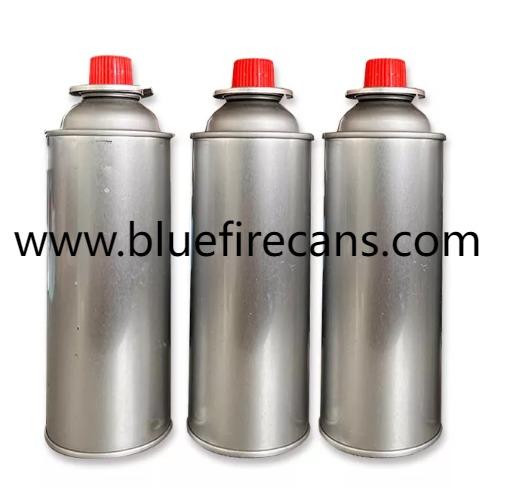
Butane Gas Cartridge Factory selection requires more than comparing quotations or reviewing product photographs. For importers, outdoor equipment distributors, and private-label brands, manufacturing processes, container specifications, inspection arrangements, and order communication all influence purchasing decisions. Before starting cooperation, buyers should understand how a potential production partner manages these areas and whether its capabilities match their business requirements.
Examine the Manufacturing Process
A metal fuel container may look simple, but its production involves several connected stages. Material preparation, metal forming, body shaping, valve assembly, surface treatment, and final inspection all contribute to the finished product.
Buyers should ask how each stage is organized and what production equipment is used. Automated equipment can help manufacturers manage repetitive operations and maintain consistent production procedures. It is also useful to understand how production records are maintained and how different batches are identified.
When evaluating a potential supplier, consider requesting workshop photographs, production information, and an explanation of its manufacturing workflow. If an on-site visit is possible, observe how materials move through the production area and how finished items are separated from products awaiting inspection.
Confirm Materials and Technical Specifications
Material selection and dimensional requirements should be discussed before a quotation is finalized. Buyers need to identify the intended product type, nominal capacity, dimensions, valve arrangement, and applicable technical requirements.
For example, portable camping fuel containers may be available in different filling capacities and connection configurations. A product designed for one appliance should not automatically be assumed compatible with another. Thread dimensions, valve specifications, and equipment requirements need to be checked together.
Ask the manufacturer to provide technical drawings or specification sheets for the proposed model. Review the body dimensions, nominal filling weight, connection details, and relevant pressure-related parameters. If your business serves several markets, prepare a specification list for each intended application.
Clear documentation gives both parties a common reference during sampling, production, and repeat purchasing.
Ask How Quality Checks Are Arranged
Quality management should be discussed in practical terms rather than through general statements. Buyers need to know which characteristics are inspected, when checks take place, and whether inspection records can be provided.
Depending on the product design and applicable requirements, inspection arrangements may include:
Visual examination of the container body and surface
Dimensional checks against approved drawings
Valve assembly and connection verification
Appropriate leak testing under controlled procedures
Pressure-related testing according to applicable specifications
Batch identification and inspection record management
For pressure-containing products, testing must be conducted with suitable equipment and established safety procedures. Buyers should request relevant test documentation and confirm that the methods correspond to the product design and destination-market requirements.
It is also worth asking how nonconforming items are identified and handled. A clearly defined inspection process helps purchasing teams understand what happens when a production result does not meet the agreed specification.
Evaluate Sample Development and OEM Services
For distributors and brand owners, a standard model may not cover every market requirement. Packaging appearance, printed information, labeling, and selected product dimensions may need further discussion.
Before approving customized production, request a sample or review the available sample development process. Check whether the sample matches the agreed specifications and whether any changes will affect tooling, production preparation, or delivery arrangements.
OEM cooperation should also include clear artwork approval. Buyers can prepare their logo files, color references, label information, and packaging requirements before production discussions. Both parties should confirm which details can be customized and which are determined by technical or regulatory requirements.
At bluefirecans, buyers can review different product options and discuss requirements for their intended applications. Early communication about samples and artwork can help organize the project before a larger order is confirmed.
Review Packaging and Export Preparation
Packaging is an important part of international purchasing because products may pass through several handling and transportation stages. Buyers should clarify individual packaging, carton arrangements, shipping marks, labeling, and pallet requirements where applicable.
For products containing flammable contents, transportation classification and documentation require particular attention. The buyer and manufacturer should identify the applicable dangerous goods requirements for the product, shipping method, and destination. Do not assume that ordinary cargo procedures apply.
Ask which documents can be supplied and which responsibilities belong to the exporter, importer, carrier, or other parties involved. Relevant requirements may vary by country and transport mode, so they should be verified before shipment.
A written packaging and shipping agreement can reduce confusion when orders move from production to dispatch.
Compare Production Planning and Order Communication
A supplier's production schedule should be considered alongside your purchasing plan. Ask about minimum order quantities, production lead times, order confirmation procedures, payment terms, and the process for handling changes.
If your business expects repeat orders, discuss how forecasts can be shared and how future requirements will be communicated. Forecasts can help both sides plan production discussions, although actual availability and delivery dates should always be confirmed for each order.
Communication also matters when technical questions arise. Establish a contact process for specification confirmation, sample feedback, artwork approval, and shipment updates. Written records of agreed changes can help prevent misunderstandings between purchasing and production teams.
Build Your Evaluation Around Long-Term Requirements
A useful supplier evaluation should combine technical, operational, and commercial factors. Compare product specifications, manufacturing arrangements, quality documentation, customization options, packaging, and export preparation using the same checklist for each candidate.
Avoid making a decision based only on a catalogue or initial quotation. Request the documents relevant to your product, discuss the intended application, and clarify any unresolved details before approving production.For importers and distributors looking for portable fuel container options, bluefirecans provides product information and manufacturing-related support for purchasing discussions. You can visit https://www.bluefirecans.com/ to review the available product range and contact the team about specifications, sample arrangements, OEM requirements, and order planning.

 Arabic
 French
 Spanish
 Portuguese
 Deutsch
 Turkish
 Dutch
 Italiano
 Russian
 Romaian
 Portuguese (Brazil)
 Greek