


What Are the Different Types of Brow Lift Surgery?
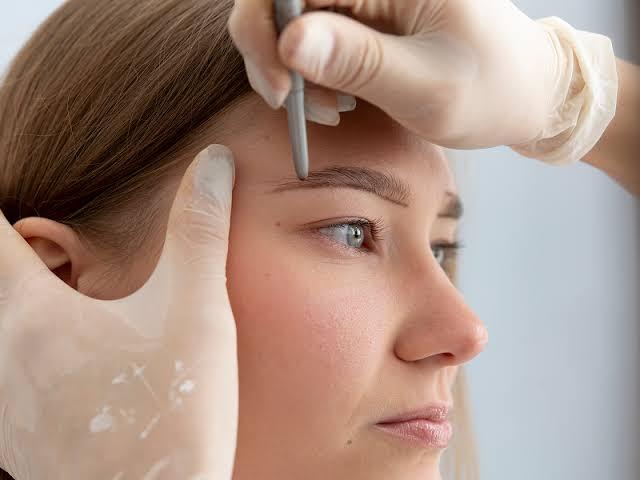
The appearance of the eyebrows plays an important role in facial expression, balance, and overall aesthetics. Over time, ageing, genetics, and changes in skin elasticity can cause the eyebrows to descend, creating a tired, heavy, or older appearance. Some people naturally have low-set eyebrows, while others notice changes around the forehead and upper eyelids as they age. These concerns can influence facial harmony and make the eyes appear less open. Brow Lift Surgery in Dubai is a facial rejuvenation procedure designed to elevate the eyebrows, improve forehead contours, and create a more refreshed appearance. Understanding the different surgical techniques helps individuals explore suitable options based on their facial anatomy and aesthetic goals.
Understanding Brow Lift Surgery
A brow lift is a cosmetic procedure that focuses on improving the position and appearance of the eyebrows. It addresses concerns such as drooping brows, forehead creases, and an uneven brow position. By lifting selected tissues and adjusting the underlying structures, the procedure can create a smoother forehead and a more balanced upper face.
Different techniques are available because every individual has unique facial proportions, hairline characteristics, skin elasticity, and brow positioning. Some approaches involve small incisions hidden within the hairline, while others use more traditional surgical access to achieve the desired correction.
Different Types of Brow Lift Surgery
Choosing an appropriate technique depends on the degree of brow descent, forehead anatomy, desired results, and individual expectations. Each method offers a different approach to improving the eyebrow position.
Endoscopic Brow Lift
An endoscopic brow lift is a minimally invasive surgical technique that uses a small camera and specialised instruments. Several small incisions are created within the hair-bearing scalp, allowing the surgeon to access the underlying forehead tissues.
The camera provides a magnified view of the treatment area, helping with precise tissue adjustments. The eyebrows are repositioned to create a more elevated and refreshed appearance.
This technique is often considered by individuals experiencing mild to moderate brow descent. Its smaller incisions can result in less visible scarring compared with some traditional approaches. However, suitability depends on the patient's anatomy and the extent of correction required.
Coronal Brow Lift
A coronal brow lift is a traditional surgical approach that involves an incision extending across the scalp, usually behind the hairline. Through this incision, the forehead tissues can be lifted and repositioned to improve the eyebrow position.
This technique provides access to a broader area of the forehead and allows more extensive adjustments. It may be considered for individuals with significant brow descent or deeper forehead concerns.
Although it can deliver substantial correction, the incision is longer than those used in endoscopic techniques. Hairline position, scalp characteristics, and potential changes in scalp sensation are important considerations during treatment planning.
Temporal or Lateral Brow Lift
A temporal brow lift, also known as a lateral brow lift, focuses primarily on the outer portion of the eyebrows. This area can gradually descend with age, contributing to a tired appearance around the eyes.
The procedure generally involves small incisions near the temples or within the hairline. The outer brow tissues are carefully elevated to improve the position of the eyebrow tails.
This approach may be suitable for individuals who want subtle improvement around the outer eyebrows without significantly changing the central forehead. It can also help create a more open appearance around the upper eyelids.
Direct Brow Lift
A direct brow lift involves an incision placed immediately above the eyebrow. Through this incision, excess skin can be removed and the remaining tissues repositioned to elevate the brow.
The technique allows precise control over eyebrow height and shape. It may be considered when more targeted correction is required, particularly in individuals with noticeable brow descent.
One important consideration is the location of the incision, as a scar may remain visible above the eyebrow. Careful planning is therefore essential to achieve a balanced appearance.
Pretrichial or Hairline Brow Lift
A pretrichial brow lift, sometimes called a hairline brow lift, involves an incision positioned along the front hairline. The forehead tissues are lifted, and excess skin may be removed to improve brow position.
This approach can be particularly useful for individuals with a higher forehead who wish to avoid further increasing forehead height.
The technique allows the surgeon to adjust the forehead and eyebrow position while considering the existing hairline. Individual hair growth patterns, forehead proportions, and scar-healing characteristics play an important role in determining suitability.
Mid-Forehead Brow Lift
A mid-forehead brow lift uses an incision within an existing forehead crease. It is generally considered for individuals with deeper forehead lines and noticeable brow descent.
Through the incision, the underlying tissues can be repositioned to elevate the eyebrows. Placing the incision within a natural crease may help make the resulting scar less noticeable in selected individuals.
This approach requires careful assessment because forehead skin quality, wrinkle depth, and eyebrow anatomy influence the final appearance.
How to Choose the Right Brow Lift Technique
Selecting the appropriate surgical method requires an individualised assessment rather than relying on a single technique for everyone. Several factors can influence the treatment approach.
Degree of Eyebrow Drooping
The extent of brow descent is one of the main considerations. Mild changes may be addressed with a temporal or endoscopic approach, while more significant drooping may require a different surgical technique.
Forehead Height and Hairline Position
The natural hairline and forehead proportions can influence incision placement. For example, individuals with a higher forehead may benefit from discussing a pretrichial approach, depending on their anatomy.
Skin Elasticity and Facial Structure
Skin quality, tissue flexibility, and the underlying facial structures affect how the eyebrows can be repositioned. A detailed assessment helps determine which approach may provide balanced results.
Desired Aesthetic Outcome
Some individuals want a subtle elevation around the outer eyebrows, while others seek more noticeable improvement across the entire forehead. Understanding these expectations helps guide surgical planning.
What to Expect During the Procedure
Before surgery, an assessment is performed to evaluate eyebrow position, forehead proportions, skin condition, and overall facial symmetry. The selected technique, incision placement, and expected outcome are discussed during the consultation.
The procedure is generally performed using anaesthesia appropriate to the surgical approach. Once the planned incisions are made, the underlying tissues are carefully adjusted, and the eyebrows are repositioned. Incisions are then closed using suitable surgical techniques.
The duration and recovery experience vary depending on the method used and the extent of correction.
Recovery After Brow Lift Surgery
Recovery is an important part of the overall treatment experience. Some swelling, bruising, tightness, and temporary discomfort around the forehead may occur during the initial healing period.
Patients are generally advised to follow their post-operative instructions carefully, attend follow-up appointments, and avoid strenuous activities until cleared by their treating professional.
The recovery timeline differs between techniques. Smaller-incision approaches may involve a different healing experience from traditional procedures. Final results also take time to become fully apparent as swelling gradually settles and tissues heal.
Benefits of Choosing a Suitable Brow Lift Technique
When appropriately selected, a brow lift can provide several aesthetic improvements.
-
Improved eyebrow position: Helps address drooping and create a more elevated appearance.
-
Refreshed facial expression: Can reduce the appearance of tiredness caused by descended eyebrows.
-
Smoother forehead appearance: Certain techniques can improve the appearance of selected forehead creases.
-
Better upper-face balance: Helps create greater harmony between the forehead, eyebrows, and eyes.
-
Individualised results: Different surgical approaches allow treatment planning according to facial anatomy and aesthetic preferences.
It is important to understand that results vary, and no surgical procedure can completely stop the natural ageing process.
Who May Be a Suitable Candidate?
Individuals concerned about low-set eyebrows, forehead heaviness, or age-related changes in the upper face may consider a brow lift consultation. Good general health, realistic expectations, and an understanding of the procedure's potential benefits and limitations are important considerations.
A comprehensive evaluation is necessary to determine whether surgery is appropriate. Patients should also discuss relevant medical history, medications, healing concerns, and possible complications before making a decision.
Book Us
Achieving a refreshed and balanced facial appearance begins with choosing an appropriate treatment approach and receiving professional guidance. At Enfield Royal Clinic Dubai, individuals can explore personalised aesthetic solutions based on their facial features, concerns, and desired outcomes. Those considering Brow Lift Surgery can arrange a consultation to discuss the available techniques, understand the treatment process, and receive guidance on selecting an approach suited to their aesthetic goals.

 Arabic
 French
 Spanish
 Portuguese
 Deutsch
 Turkish
 Dutch
 Italiano
 Russian
 Romaian
 Portuguese (Brazil)
 Greek