


What Is the Difference Between Hot Flashes and Night Sweats?
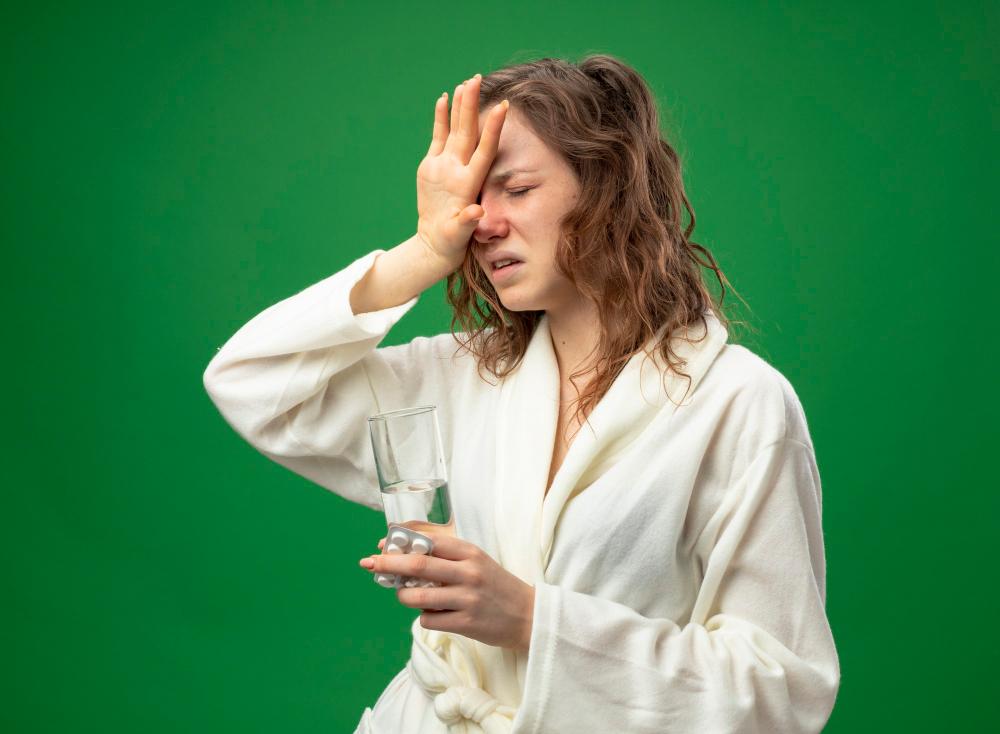
Experiencing sudden waves of heat during the day or waking up with soaked bedsheets at night can be uncomfortable and confusing. Many women wonder whether these experiences are the same or indicate different health concerns. Both are common menopause symptoms, but understanding when and how they happen can help you manage them more effectively. Although they are closely connected, there are a few important differences worth knowing.
What Are Hot Flashes?
Hot flashes are sudden feelings of warmth that usually affect the face, neck and chest. They can happen at any time, whether you are working, relaxing or sleeping.
During an episode, you might notice your skin becoming red, increased sweating, a faster heartbeat or even a feeling of anxiety. Some women also experience chills once the sensation of heat passes.
A hot flash typically lasts between one and five minutes, although the experience can vary from person to person.
These episodes are commonly associated with perimenopause and menopause. Changes in oestrogen levels can affect the body's ability to regulate temperature, making you feel unexpectedly hot even when your surroundings are comfortable.
What Are Night Sweats?
Night sweats are episodes of excessive sweating that happen while you are asleep. They are essentially hot flashes that occur during the night.
You might wake up feeling unusually hot, with damp clothing, sweaty skin or wet bedsheets. Some episodes are mild, while others can be intense enough to interrupt your sleep and require you to change your nightwear.
Night sweats are particularly common during menopause because hormonal fluctuations can trigger sudden temperature changes throughout the night.
However, menopause is not the only possible cause. Certain medications, infections and other medical conditions can also contribute to excessive nighttime sweating.
Hot Flashes vs Night Sweats: What Is the Difference?
The main difference between hot flashes and night sweats is when they happen and how they affect your daily routine.
Here is a simple comparison:
|
Hot Flashes |
Night Sweats |
|
Can happen during the day or night |
Occur during sleep |
|
Cause sudden feelings of heat |
Cause excessive nighttime sweating |
|
May involve facial flushing and sweating |
May leave clothes and bedding soaked |
|
Can interrupt daily activities |
Can disturb sleep and cause tiredness |
|
Usually last a few minutes |
May cause repeated nighttime awakenings |
Both conditions are considered vasomotor symptoms and are commonly linked to hormonal changes during menopause. In simple terms, night sweats are nighttime episodes of hot flashes rather than a completely separate condition.
What Causes Hot Flashes and Night Sweats?
Hormonal changes are among the most common reasons women experience these symptoms.
As oestrogen levels fluctuate and gradually decline during perimenopause and menopause, the brain's temperature-regulating system can become more sensitive to small changes in body temperature.
Other possible triggers include:
-
Stress and anxiety: Emotional stress can trigger or worsen episodes.
-
Warm environments: Hot rooms and heavy bedding can make symptoms more uncomfortable.
-
Certain foods and drinks: Spicy meals, caffeine and alcohol may trigger symptoms in some women.
-
Medications: Some prescription medicines can contribute to sweating and temperature changes.
-
Underlying health conditions: Thyroid problems and certain infections may also cause sweating.
How Can You Manage Hot Flashes and Night Sweats?
Although these symptoms can be frustrating, a few everyday changes may help reduce their frequency and discomfort.
1. Keep Your Bedroom Cool
Use a fan, breathable bedding and lightweight nightwear to maintain a comfortable sleeping environment.
2. Identify Your Triggers
Keep a simple record of when symptoms occur and what you ate or drank beforehand. This can help you recognise patterns and avoid personal triggers.
3. Choose Breathable Clothing
Wear loose-fitting clothes made from lightweight fabrics to help your body stay comfortable throughout the day and night.
4. Manage Stress
Gentle exercise, meditation and relaxation techniques may help you manage stress and improve overall wellbeing.
5. Speak to a Healthcare Professional
If symptoms regularly interrupt your sleep or affect daily activities, discuss treatment options with a healthcare professional. Hormone therapy and non-hormonal treatments may help, depending on your individual circumstances.
When Should You See a Doctor?
Menopause-related hot flashes and night sweats are common, but persistent or unexplained sweating should not automatically be attributed to hormonal changes.
Seek medical advice if you experience frequent drenching night sweats, especially alongside fever, unexplained weight loss, persistent coughing or other unusual symptoms.
A healthcare professional can help identify the underlying cause and recommend appropriate treatment.
Final Thoughts
Hot flashes and night sweats are closely related, but the timing makes the main difference. Hot flashes can happen throughout the day, while night sweats occur during sleep and may disrupt your rest.
The good news is that understanding your triggers, making simple lifestyle adjustments and exploring suitable medical treatments can make these symptoms easier to manage. You do not have to let uncomfortable temperature changes take control of your everyday life.
1. Are hot flashes and night sweats the same thing?
Hot flashes and night sweats are closely related menopause symptoms. Hot flashes can happen at any time of the day, while night sweats occur during sleep. Both are caused by changes in the body's temperature regulation, often linked to fluctuating hormone levels.
2. What is the main difference between hot flashes and night sweats?
The main difference is when they occur. Hot flashes cause sudden waves of heat during the day or night, whereas night sweats happen while sleeping and can cause excessive sweating, damp clothing and interrupted sleep.
3. What causes night sweats during menopause?
Night sweats are commonly caused by fluctuating oestrogen levels during perimenopause and menopause. These hormonal changes affect the brain's temperature regulation, causing sudden feelings of heat and sweating during sleep. Stress, alcohol, caffeine and warm sleeping environments may also contribute.
4. How can I stop hot flashes and night sweats naturally?
You can help manage symptoms by keeping your bedroom cool, wearing lightweight clothing, avoiding personal triggers such as spicy foods and caffeine, exercising regularly and practising relaxation techniques. Keeping track of your symptoms can also help identify what makes them worse.
5. When should I worry about night sweats?
Occasional night sweats during menopause are common. However, you should consult a healthcare professional if you experience frequent, unexplained or drenching night sweats, particularly alongside fever, unexplained weight loss or persistent coughing. These symptoms may indicate an underlying health condition that needs attention.

 Arabic
 French
 Spanish
 Portuguese
 Deutsch
 Turkish
 Dutch
 Italiano
 Russian
 Romaian
 Portuguese (Brazil)
 Greek