


Why Scent Memories Drive Repeat Sales in Niche Fragrance Brands
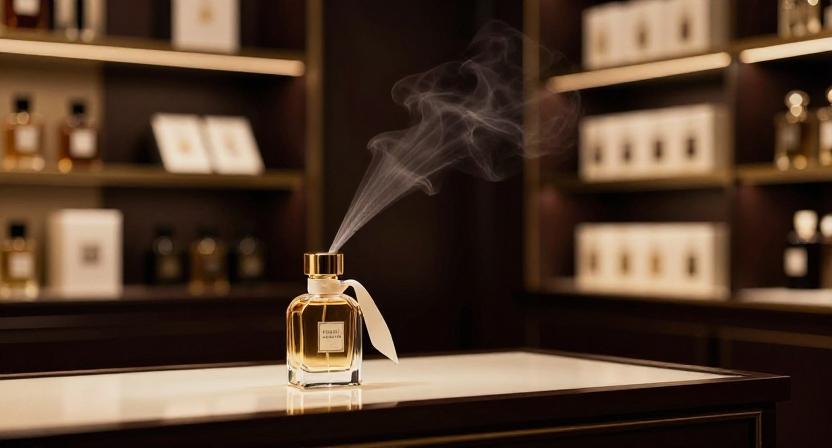
In a crowded fragrance market, technical quality alone rarely secures long term customer loyalty. Good projection, clean ingredients, and attractive packaging can win a first purchase, yet what brings a buyer back months later to reorder the same bottle or explore the rest of a brand’s catalog is emotional attachment. Unlike visual or auditory cues, smell bypasses rational filtering and connects directly to the brain’s memory and emotion centers. For niche fragrance brands, understanding how scent memories form and endure is one of the strongest levers for turning one time buyers into lifelong advocates.
The Biology Behind Olfactory Recall
Human anatomy gives fragrance an unfair advantage over every other sensory medium. When someone inhales a perfume oil, odor molecules bind to receptors in the nasal cavity and send signals straight to the olfactory bulb. Unlike sight, sound, or touch which route through the thalamus for conscious processing the olfactory bulb connects directly to the amygdala and hippocampus.
These two structures govern emotional processing and associative memory. As a result, a single whiff of smoky labdanum, roasted cardamom, or rain soaked cedar can instantly transport a person back to a specific winter evening, a coastal holiday, or a quiet morning ritual. Neuroscientists refer to this phenomenon as the Proustian effect. Because olfactory memories carry vivid emotional weight, customers do not merely remember liking a fragrance; they remember how they felt while wearing it.
Why Niche Perfume Oils Deepen Memory Imprinting
Concentrated perfume oils interact with memory differently than traditional alcohol based sprays. High alcohol perfumes open with a rapid burst of volatile top notes that flash off the skin within minutes, creating a loud initial impression that fades quickly. Alcohol free perfume oils, by contrast, warm gradually on the pulse points and release their heart and base notes over eight to twelve hours.
This slow, intimate evolution means the wearer experiences the scent continuously across an entire day or evening. Whether worn during a milestone celebration, a first date, or a quiet Sunday routine, the oil becomes woven into the background of real life. Over repeated wears, the brain links that specific aroma with personal identity and emotional comfort. Once a fragrance becomes part of a customer’s personal history, switching to a generic competitor feels like losing a familiar part of themselves.
Storytelling That Sparks Emotional Anchors
Niche fragrance brands succeed when they give buyers a clear narrative framework before the bottle even arrives. Most shoppers purchasing perfume oils online cannot test the scent beforehand, so descriptive copy must bridge the gap between chemistry and emotion.
-
Anchor notes to recognizable moments: Instead of listing raw materials in isolation, connect them to lived experiences such as warm amber and spiced tea after a cold walk, or sun warmed fig leaves on a late summer afternoon.
-
Name scents with evocative restraint: Titles that suggest a mood, place, or time of day invite customers to project their own memories onto the fragrance.
-
Use tactile packaging details: Handwritten batch dates, textured labels, and rollerball or glass dipper applicators slow down the application ritual, reinforcing mindfulness every time the scent is applied.
When the physical scent matches the story promised on the product page, the brain rewards that consistency with trust and deeper emotional recall.
Turning Single Bottle Buyers Into Repeat Customers
Repeat revenue in niche perfumery rarely comes from aggressive discounting; it grows from thoughtful catalog architecture that respects scent memory.
-
Protect signature formulas: Nothing breaks customer trust faster than reformulating a beloved scent without warning. When buyers reorder a bottle tied to a cherished memory, batch consistency is non negotiable.
-
Build companion layers: Offer complementary single note or soft base oils such as clean white musk, creamy sandalwood, or warm vanilla that let customers layer over their signature scent for evening wear or colder seasons without losing their core scent identity.
-
Curate seasonal and milestone discovery sets: Mini roll on flights themed around travel, winter gatherings, or quiet evenings encourage buyers to assign different scents to different chapters of their year.
-
Follow up at natural reorder windows: A simple reminder at the 60 or 90 day mark framing the restock around keeping their signature scent on hand feels helpful rather than transactional.
Balancing Iconic Profiles With Niche Identity
Many successful independent brands blend original house creations with customer favorite scent families such as deep smoky oud and raspberry rose profiles inspired by Ombre Nomade Wholesale selections giving buyers both familiar luxury cues and intimate oil based longevity.
Building a Brand Customers Never Outgrow
Trends in fragrance packaging and social media marketing shift every quarter, yet human memory stays remarkably constant. When a niche perfume oil brand prioritizes consistent raw materials, skin hugging oil formulations, and honest sensory storytelling, every drop applied becomes an investment in future loyalty. Customers may discover your brand out of curiosity, but they return because your scents hold pieces of their lives they never want to forget.
 Dutch
 English
 Arabic
 French
 Spanish
 Portuguese
 Deutsch
 Turkish
 Italiano
 Russian
 Romaian
 Portuguese (Brazil)
 Greek