


How Does Capping-Machine Refine a Cap Compression Molding Machine?
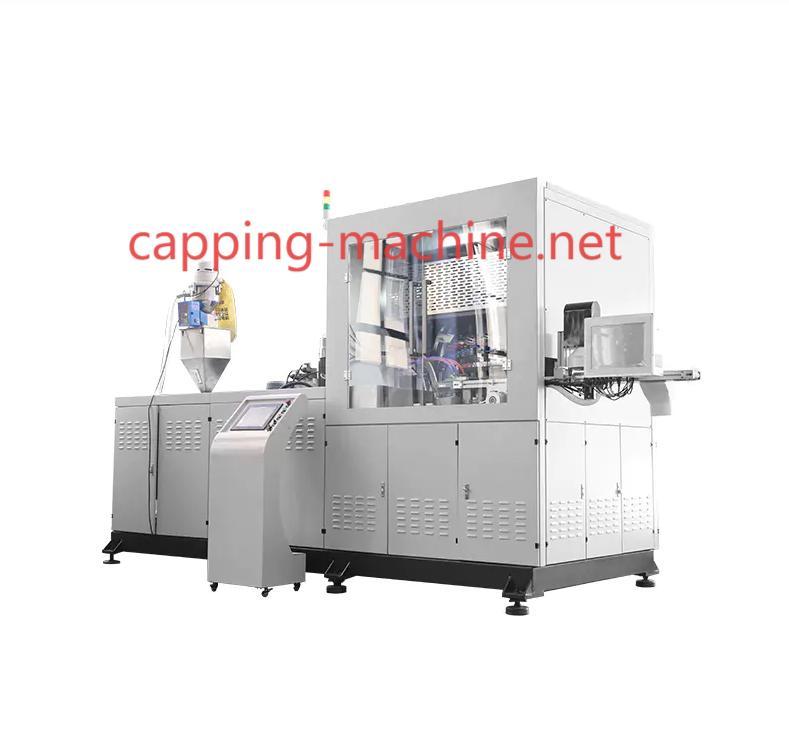
The development of packaging technology has encouraged manufacturers to reconsider how plastic closures are designed and produced. A Cap Compression Molding Machine offers a specialized approach to forming plastic caps through carefully managed pressure, heat, and mold interaction. With its focus on practical manufacturing solutions, Capping-Machine supports businesses looking for equipment that connects production requirements with thoughtful mechanical engineering. Understanding the principles behind this technology helps manufacturers evaluate its role in their packaging operations.
The molding process begins with the preparation and delivery of suitable plastic material. Rather than relying entirely on conventional injection techniques, compression molding shapes material directly within a designated mold cavity. Heat helps soften the material, while controlled pressure encourages it to spread throughout the available space. As the material takes the required form and cools, the resulting closure develops its intended structure.
Mold engineering has a significant influence on the manufacturing process. Each cap design may involve distinctive features, such as internal threads, sealing surfaces, gripping textures, and decorative details. These characteristics must be considered when developing the mold structure. Accurate cavity design and appropriate material distribution help maintain the intended product geometry while reducing unwanted variations during production.
Temperature regulation is another important part of the equipment design. Plastic materials respond differently to heating and cooling conditions, making thermal management essential for consistent molding results. A properly arranged heating system helps prepare the material for shaping, while suitable cooling arrangements support the formation of stable closures. Manufacturers should consider how these systems interact with the mold and the overall production cycle.
Mechanical coordination also contributes to operational stability. Feeding devices, compression mechanisms, mold movement, and product discharge need to function as connected parts of the manufacturing process. When these components are designed around a unified workflow, operators can manage production more conveniently. A logical machine layout can also improve access to important working areas and simplify routine inspections.
Product variety creates additional considerations for packaging manufacturers. Different industries may require closures with different shapes, surface finishes, opening methods, and sealing characteristics. Beverage packaging, household containers, personal care products, and chemical packaging can all involve distinctive closure requirements. Equipment flexibility therefore becomes an important factor when manufacturers plan their production capabilities.
Material selection should receive equal attention. The characteristics of the plastic influence its flow behavior, processing conditions, appearance, and final mechanical properties. Manufacturers need to match suitable materials with appropriate molding parameters and product specifications. Careful process evaluation can help maintain a balance between functional performance, visual consistency, and material efficiency.
Maintenance and operator convenience should not be overlooked during equipment selection. Clearly arranged controls, accessible mechanical components, and practical mold replacement procedures can make daily management more straightforward. Regular inspection of heating elements, moving mechanisms, and mold surfaces also helps identify potential operating issues before they interrupt production.
Beyond individual machine functions, successful manufacturing depends on how equipment integrates into the wider factory environment. Production space, material transportation, operator workflows, and downstream packaging operations should all be considered. A suitable configuration can help manufacturers establish a more coordinated production process while retaining the flexibility to respond to changing market expectations.
Plastic closure manufacturing continues to evolve alongside packaging design and material innovation. The right equipment choice begins with asking better questions about product requirements, production methods, and long-term operational goals.
Give your next packaging project a new direction. Visit https://www.capping-machine.net/product/ and take a closer look at the machinery possibilities waiting behind the next stage of your manufacturing journey.

 Arabic
 French
 Spanish
 Portuguese
 Deutsch
 Turkish
 Dutch
 Italiano
 Russian
 Romaian
 Portuguese (Brazil)
 Greek