


Could PVC Inflatable Boat Fabric Shape More Flexible Watercraft Designs?
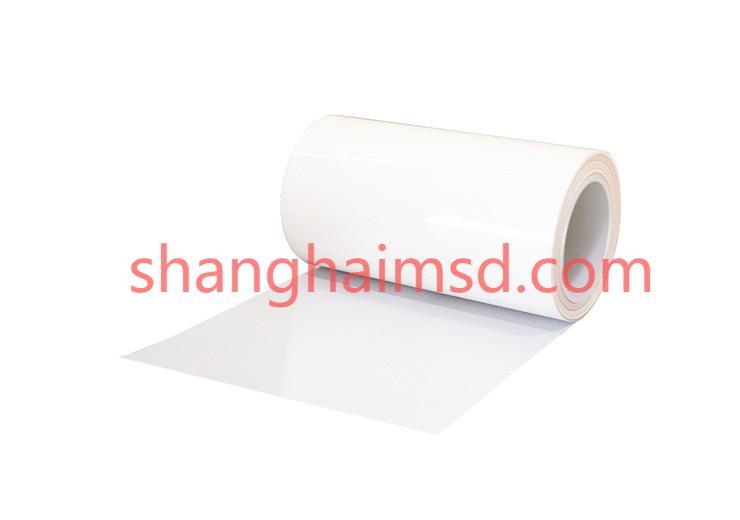
Choosing the right material can influence the way an inflatable watercraft is designed, produced, and used. For manufacturers considering PVC Inflatable Boat Fabric , ShanghaiMsd offers a material-focused direction for projects that require flexibility, practical construction, and adaptability to different water-based applications. From leisure activities to professional use, the right fabric solution can help manufacturers develop products that align with specific design goals and application environments.
Inflatable boats are valued for their flexible structures and practical characteristics. Their applications can range from recreational boating and fishing to transportation, tourism, training, and emergency activities. Because each use scenario has its own requirements, the selection of fabric materials should be considered as part of the overall product development process rather than as an isolated decision.
PVC-coated fabric can provide a suitable foundation for inflatable watercraft where flexibility and structural integrity are important considerations. The combination of a textile base and coated surface allows manufacturers to work with material solutions designed for specific construction needs. Depending on the intended product, manufacturers can evaluate characteristics such as surface finish, flexibility, durability, and compatibility with fabrication methods.
Another important consideration is how the material works with the shape and structure of the finished boat. Inflatable watercraft may feature different chambers, curves, seams, and functional areas. A workable fabric solution can support manufacturers as they develop designs that balance usability and appearance. This flexibility can also give product designers greater freedom when adapting watercraft to different user groups.
Visual presentation is another area worth considering. Inflatable boats can serve as recreational products, commercial equipment, or branded vessels. Surface color and printed graphics can contribute to product recognition and create a consistent visual identity. For businesses, thoughtful design can help connect the appearance of a watercraft with its intended purpose while maintaining a practical approach to material selection.
Water-based environments also bring specific conditions that manufacturers need to consider. Products may encounter moisture, sunlight, changing temperatures, repeated folding, transportation, and contact with different surfaces. Selecting materials according to the expected environment can help manufacturers develop products that are better aligned with their intended applications.
The manufacturing process should also be part of the material evaluation. Inflatable boat production may involve cutting, welding, bonding, and other fabrication techniques. A suitable material needs to work with the chosen production process and support the construction requirements of the finished product. Early communication between material suppliers and manufacturers can help ensure that material selection is connected with the actual needs of production.
The versatility of inflatable watercraft creates opportunities across different sectors. Recreational users may look for convenient boats for outdoor adventures, while commercial operators may need vessels designed around specific working environments. Specialized applications can also require unique configurations and material considerations. This variety means that manufacturers often need to approach each project with a clear understanding of its intended function.
Material selection can also influence the long-term maintenance experience. Manufacturers may consider how the finished product will be stored, transported, cleaned, and handled during regular use. By thinking about the complete product lifecycle, businesses can make more informed decisions when developing new inflatable watercraft.
As water activities continue to inspire new product concepts, inflatable boat design remains an area where material flexibility and creative thinking can work together. Manufacturers that carefully consider structure, application, production, and visual identity can create products that respond to specific market needs without relying on unnecessary complexity.
A new watercraft idea may start with a sketch, a practical requirement, or simply a vision of where the product could go. Give that idea a place to begin by visiting https://www.shanghaimsd.com/product/ . Your next project might be closer than you think, waiting behind a page worth opening.
 Dutch
 English
 Arabic
 French
 Spanish
 Portuguese
 Deutsch
 Turkish
 Italiano
 Russian
 Romaian
 Portuguese (Brazil)
 Greek