


How Do You Choose a Reliable Real Estate Web Development Company?
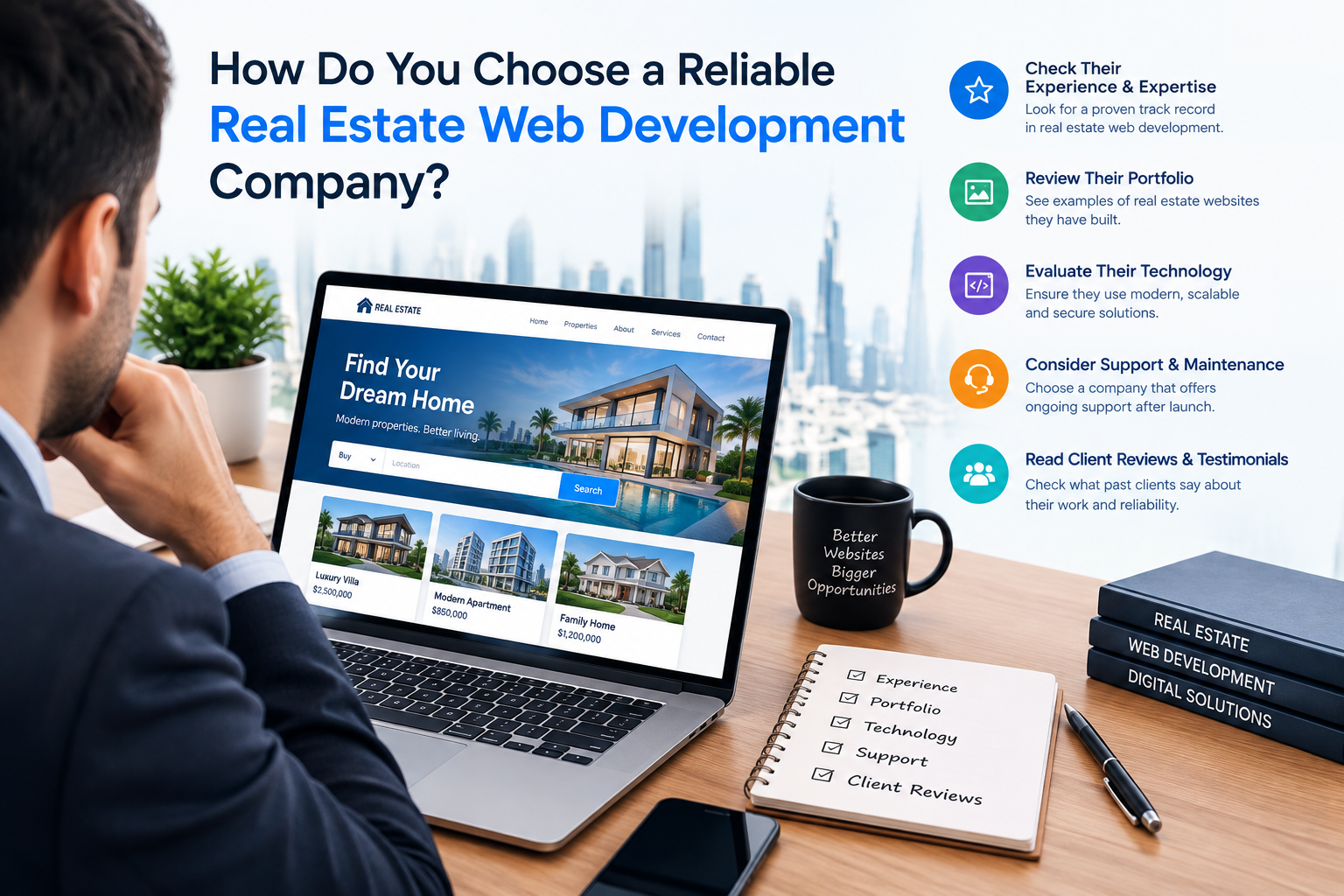
The real estate market is increasingly digital, and having a robust online presence is no longer optional—it's essential. Whether you're a real estate agent, broker, or agency, your website serves as your digital storefront, often making the first impression on potential clients. Choosing the right real estate web development company to build or redesign your real estate website is a critical decision that can significantly impact your business success. This guide will help you navigate the selection process and find a reliable partner.
Understanding Your Needs
Define Your Project Scope
Before you start evaluating web development companies, clearly define what you need. Are you looking to build a website from scratch, or do you need a redesign of your existing site? Do you require advanced features like virtual property tours, mortgage calculators, or integrated CRM systems? Understanding your scope helps you communicate effectively with potential developers and ensures they can deliver what you need.
Identify Key Features and Functionalities
Real estate websites require specific functionalities to be effective. Essential features typically include property listings with detailed descriptions, high-quality images and videos, an advanced search filter system, a lead capture form, mortgage calculator, and agent profiles. Some agencies might need additional features like email automation, social media integration, or blockchain-based smart contracts for transactions. Document all required features before approaching development companies.
Set a Realistic Budget
Having a clear budget range is crucial. Real estate websites can vary dramatically in cost depending on complexity and features. A basic website might cost between $2,000 and $5,000, while a comprehensive platform with advanced features could range from $15,000 to $50,000 or more. Understanding what you can afford helps you filter companies and sets realistic expectations about what can be delivered.
Evaluating Company Experience and Expertise
Look for Real Estate Industry Experience
Not all web development companies understand the unique requirements of the real estate industry. Companies with proven experience building real estate websites will understand property listing management, buyer journey mapping, and industry-specific compliance requirements. Ask potential companies about their previous real estate projects and request case studies or examples.
Review Their Portfolio
A company's portfolio is a window into their capabilities and style. Review multiple projects they've completed, especially those in the real estate sector. Pay attention to design quality, user experience, page loading speed, and overall functionality. Try interacting with their previous clients' websites to get a feel for how their solutions work in practice.
Check Client Testimonials and Reviews
Read reviews from previous clients on platforms like Google, Clutch, or the company's website. Look beyond star ratings—read detailed reviews to understand clients' experiences. Pay particular attention to comments about communication, timeliness, post-launch support, and whether the final product met expectations. Reach out to listed references and ask specific questions about their experience working with the company.
Technical Competency and Technology Stack
Assess Technical Expertise
Your developers should be proficient in modern web technologies and frameworks. They should understand responsive design (ensuring your site works perfectly on desktop, tablet, and mobile), SEO best practices, and website security. Ask about their technical stack—what programming languages, frameworks, and content management systems they use. WordPress, Drupal, and custom-built solutions each have advantages and disadvantages for real estate applications.
Mobile-First Development Approach
Over 50% of property searches now happen on mobile devices. A reliable web development company should prioritize mobile-first design, ensuring your website is not just mobile-compatible but optimized for mobile users. Ask how they approach responsive design and whether they test extensively on various devices and browsers.
Performance and Security
Websites must load quickly and securely. Ask about page speed optimization, SSL certificate implementation, and how they handle security vulnerabilities. A company worth hiring will implement best practices for protecting client data, especially when your site handles sensitive information like client contact details and transaction documents.
Communication and Project Management
Evaluate Communication Style
Clear communication is vital for successful web development projects. During initial consultations, observe how well the company explains technical concepts in understandable terms. Do they listen to your needs? Do they ask clarifying questions? The best companies maintain regular contact throughout the project with progress updates and transparent communication about challenges or changes.
Understand Their Development Process
A reliable company will have a structured development process: discovery/planning, design, development, testing, and launch phases. They should involve you at key milestones for feedback and approval. Ask about their timeline estimates—companies that give overly optimistic timelines without understanding your requirements are red flags. Realistic timelines with buffers for unexpected issues demonstrate experience and professionalism.
Support and Maintenance Plans
Your relationship with the development company shouldn't end at launch. Websites require ongoing maintenance, updates, and technical support. Ask about post-launch support options. Do they offer 24/7 emergency support? What's included in maintenance plans? How quickly do they respond to security issues or website problems? A good company will offer reasonable support options and be available for long-term maintenance.
Verification and Due Diligence
Verify Business Credentials
Confirm that the company is legitimate and properly established. Check business registration records, verify their physical address, and ensure they have proper business licensing. Scams and unreliable operators sometimes operate without formal business structures. Request information about their company history, team size, and organizational structure.
Ask About Certifications and Partnerships
Reliable web development companies often have certifications in their technology stacks. They might be Google Partners, WordPress certified developers, or hold other relevant credentials. These certifications indicate ongoing professional development and expertise. Additionally, partnerships with major platforms or technology providers often suggest stability and reliability.
Request Detailed Quotes and Contracts
Get written quotes from multiple companies that itemize what's included and excluded from their services. The cheapest option isn't always the best—low bids might mean cutting corners on quality. Carefully review contracts before signing, ensuring they specify deliverables, timelines, payment terms, intellectual property rights, and what happens if either party wants to terminate the agreement.
Making Your Final Decision
Compare Shortlisted Companies
Create a comparison matrix of your top 2-3 candidates, rating them across key criteria: experience, technical expertise, communication, cost, timeline, and support. Weight these factors based on your priorities.
Trust Your Gut
Beyond objective criteria, how do you feel about working with each company? Do they seem enthusiastic about your project? Do they understand your business goals? Sometimes the company that feels right is the right choice.
Start Small if Possible
If you're unsure, consider starting with a smaller project or phased approach. Build your relationship with the company on a manageable scale before committing to a large, complex project. This allows you to evaluate their performance before investing significantly.
Conclusion
Choosing a reliable real estate web development company requires careful evaluation of experience, technical expertise, communication style, and business practices. Take time to clearly define your needs, research thoroughly, and get multiple quotes. The right development partner will not only deliver a high-quality website but become a valuable ally in your digital growth. Remember that the cheapest option is rarely the best value—invest in a company that understands the real estate industry, has proven expertise, maintains clear communication, and offers solid ongoing support. Your website is a critical business asset; choosing the right developers to build it is an investment in your company's future success.

 English
 Arabic
 French
 Spanish
 Portuguese
 Turkish
 Dutch
Dutch
 Italiano
 Russian
 Romaian
 Portuguese (Brazil)
 Greek
Greek