


Can Sleeve Gastrectomy Help With High Blood Pressure
Introduction
High blood pressure is one of the common health conditions associated with obesity. Excess body weight can place additional strain on the heart and blood vessels, while metabolic changes linked with obesity may contribute to elevated blood pressure. For people who have struggled with long term weight management, bariatric surgery may become part of a medically supervised treatment plan.
Sleeve Gastrectomy in Islamabad is a commonly considered surgical option for people with obesity who may benefit from significant and sustained weight loss. The procedure reduces the size of the stomach, helping patients feel full after eating smaller portions. As body weight decreases after surgery, several obesity related health conditions, including high blood pressure, may also improve.
- Weight loss can reduce the workload placed on the cardiovascular system
- Sleeve gastrectomy may support improvements in obesity related health conditions
- Blood pressure improvement varies from person to person
- Patients should continue prescribed blood pressure treatment unless their doctor advises otherwise
What Is Sleeve Gastrectomy
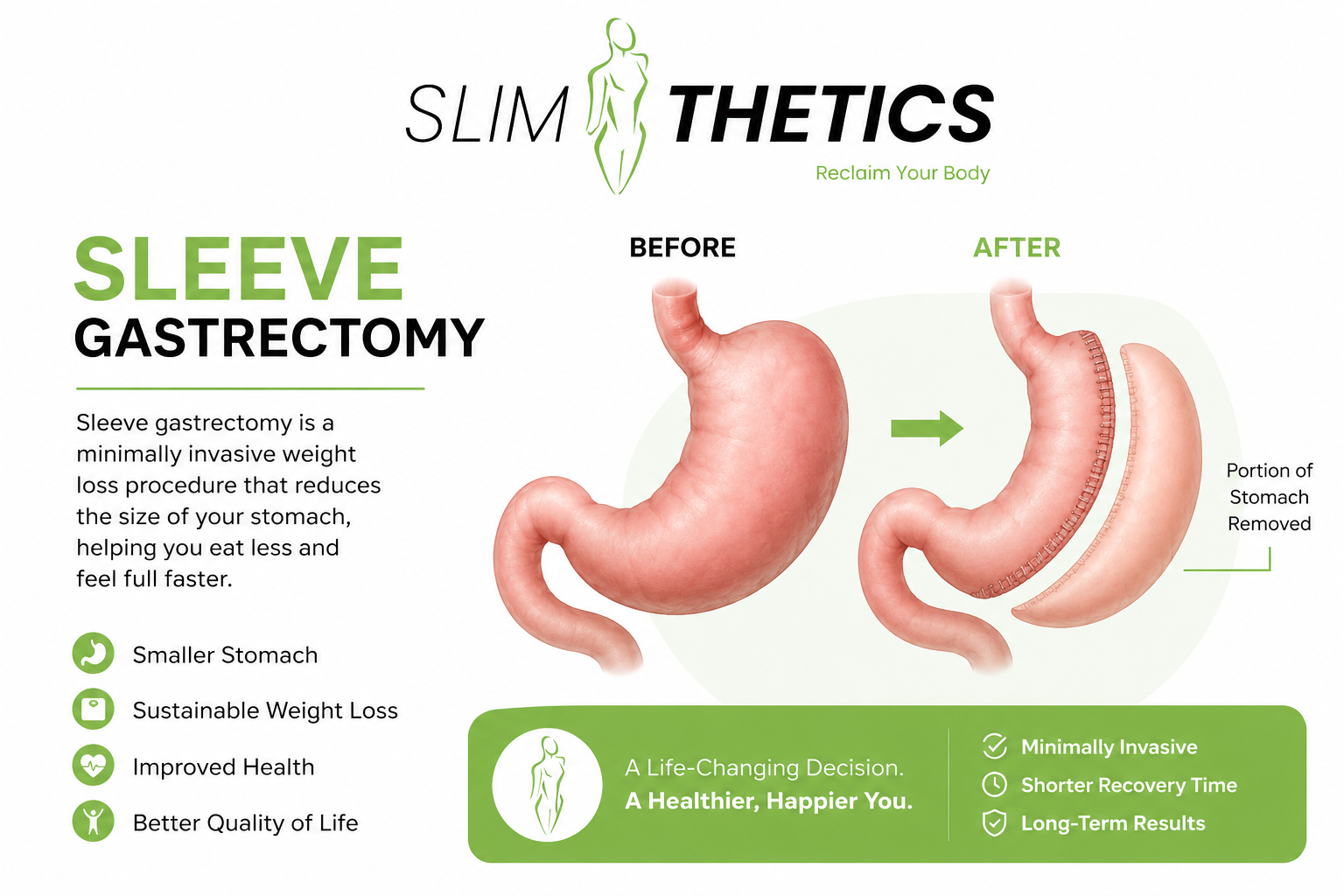
Sleeve gastrectomy is a type of bariatric surgery designed to help people with obesity achieve substantial weight loss. During the procedure, a large portion of the stomach is surgically removed, leaving a smaller tube shaped stomach.
How the Procedure Works
The smaller stomach limits the amount of food that can be consumed at one time. It can also influence appetite related hormones, particularly ghrelin, which is primarily produced in the stomach.
- A smaller stomach encourages smaller meal portions
- Patients generally experience fullness sooner
- Changes in appetite may make dietary management easier
- Weight loss occurs through reduced calorie intake and metabolic changes
Is Sleeve Gastrectomy Only About Weight Loss
The primary purpose of sleeve gastrectomy is weight management, but its potential benefits can extend beyond changes on the weighing scale. Losing excess weight may help improve several obesity associated conditions.
- High blood pressure may improve as weight decreases
- Blood sugar control may improve in some patients
- Sleep apnea may become less severe
- Physical mobility can improve
- Cardiovascular risk factors may improve
How Obesity Can Affect Blood Pressure
Obesity and high blood pressure frequently occur together. Carrying excess body weight can increase the amount of work required from the heart and may affect the regulation of blood pressure.
Why Excess Weight Can Raise Blood Pressure
Several mechanisms may contribute to higher blood pressure in people with obesity. These can include increased blood volume, changes in kidney function, insulin resistance, hormonal changes and increased activity of the sympathetic nervous system.
- The heart may need to work harder to circulate blood
- Excess weight can affect normal kidney function and fluid regulation
- Metabolic changes can influence cardiovascular health
- Obesity can contribute to inflammation and hormonal changes
The Importance of Weight Management
Even before considering surgery, weight management is an important component of blood pressure care. Depending on the individual, doctors may recommend dietary changes, physical activity, medication and other interventions.
- Healthy eating can support cardiovascular health
- Regular physical activity can help manage blood pressure
- Medication may be necessary for some patients
- Sustainable weight loss can contribute to better overall health
Can Sleeve Gastrectomy Help With High Blood Pressure
Research on bariatric surgery has shown that substantial weight loss can be associated with improvements in hypertension. Many patients experience lower blood pressure following weight loss surgery, and some may require fewer antihypertensive medications. However, results vary and surgery should not be viewed as a guaranteed cure for hypertension.
How Weight Loss May Affect Blood Pressure
After sleeve gastrectomy, patients generally follow a structured nutrition and lifestyle program. As excess body weight decreases, the cardiovascular system may experience less strain.
- Reduced body weight can decrease cardiovascular workload
- Improved metabolic health may support healthier blood pressure
- Increased physical activity can become easier after weight loss
- Some patients may eventually need adjustments to blood pressure medication
What the Evidence Suggests
Clinical research has reported meaningful improvements in hypertension following bariatric surgery. The degree of improvement depends on factors such as the patient's starting weight, duration of hypertension, medications, age, lifestyle and other medical conditions.
- Blood pressure response differs between individuals
- Some patients experience remission of hypertension
- Others may experience improvement without complete remission
- Continued medical monitoring remains important
What Happens to Blood Pressure After Surgery
Blood pressure does not necessarily change in exactly the same way for every patient. Some improvements may occur as weight begins to decrease, while longer term changes may develop as patients achieve more substantial weight loss.
Early Recovery Period
Immediately after surgery, the focus is on safe recovery, hydration, gradual dietary progression and monitoring. Blood pressure should continue to be monitored according to the patient's medical plan.
- Follow postoperative instructions carefully
- Take medications exactly as prescribed
- Attend scheduled follow up appointments
- Report unusual symptoms to your healthcare team
During Continued Weight Loss
As weight decreases, blood pressure may change. Patients taking antihypertensive medication should therefore remain under medical supervision because medication requirements can sometimes change.
- Monitor blood pressure regularly
- Do not stop medication independently
- Tell your doctor about dizziness or unusually low readings
- Maintain recommended dietary and lifestyle changes
Who May Consider Sleeve Gastrectomy
Sleeve gastrectomy is generally considered for people with obesity who meet appropriate medical criteria. A bariatric specialist evaluates factors such as BMI, obesity related conditions, previous weight loss attempts and overall health before recommending surgery.
Factors Doctors May Assess
A comprehensive assessment is important because bariatric surgery is not appropriate for everyone.
- BMI and weight related health risks
- Blood pressure and cardiovascular health
- Diabetes and other metabolic conditions
- Previous attempts at medically supervised weight management
- Eating patterns and lifestyle
- Ability to follow long term nutritional recommendations
Why High Blood Pressure Matters During Assessment
Having hypertension does not automatically mean that someone should undergo sleeve gastrectomy. Instead, it is one factor that doctors consider when evaluating the overall health risks associated with obesity.
- Blood pressure should be assessed before surgery
- Existing cardiovascular conditions may require additional evaluation
- Current medications should be reviewed
- The surgical plan should be individualized
Sleeve Gastrectomy and Blood Pressure Medication
Patients should never assume that bariatric surgery means blood pressure medication can immediately be discontinued. Medication changes should only be made by the treating physician.
Monitoring After Surgery
Regular monitoring helps doctors determine whether medication adjustments are appropriate as weight decreases.
- Keep a record of blood pressure readings when advised
- Take prescribed medication consistently
- Attend follow up appointments
- Discuss repeated low or high readings with your doctor
Why Medication Adjustment May Be Needed
If blood pressure decreases significantly after weight loss, the patient's existing medication dosage may eventually need reassessment. Conversely, some patients may continue to require treatment.
- Medication needs are individualized
- Blood pressure can fluctuate during recovery
- Doctors may adjust dosage based on repeated measurements
- Long term follow up remains important
Lifestyle Changes After Sleeve Gastrectomy
Surgery is an important intervention, but long term results depend heavily on lifestyle and follow up care. Patients typically need to develop sustainable eating and activity habits after surgery.
Healthy Eating
After sleeve gastrectomy, meal portions are smaller and dietary progression is gradual. A bariatric nutritionist can provide an individualized eating plan.
- Prioritize recommended protein sources
- Eat slowly and follow portion guidance
- Stay adequately hydrated
- Limit foods high in added sugar and unhealthy fats
- Follow the recommended postoperative diet stages
Physical Activity
Regular physical activity can complement weight loss and support cardiovascular health.
- Begin activity according to postoperative instructions
- Gradually increase movement as recovery progresses
- Include appropriate strength and aerobic activities when medically cleared
- Choose activities that can be maintained long term
Other Health Benefits Associated With Weight Loss
Successful weight management may have benefits beyond blood pressure. The effects vary depending on individual health circumstances and the amount of weight lost.
Metabolic Improvements
Weight loss can support better metabolic health and may improve several obesity related conditions.
- Better blood glucose control in some patients
- Potential improvement in insulin sensitivity
- Improvements in cholesterol levels may occur
- Reduced severity of certain obesity related conditions
Improved Daily Function
Losing excess weight can also make everyday activities more comfortable for some patients.
- Greater mobility
- Easier physical activity
- Reduced strain on weight bearing joints
- Improved ability to participate in daily activities
Risks and Considerations of Sleeve Gastrectomy
Like every major surgical procedure, sleeve gastrectomy carries potential risks. Patients should discuss benefits, risks and alternatives with a qualified bariatric surgeon before making a decision.
Possible Surgical Risks
Potential complications can include bleeding, infection, blood clots, leaks and reactions to anesthesia. Longer term issues can include nutritional deficiencies, reflux and other gastrointestinal problems.
- Individual risk depends on overall health
- Proper preoperative assessment can help identify risk factors
- Postoperative follow up is essential
- Warning symptoms should be reported promptly
Sleeve Gastrectomy Is Not a Guaranteed Cure
Although weight loss surgery can produce significant weight reduction and may improve hypertension, outcomes are not identical for everyone.
- Blood pressure may improve without completely normalizing
- Some patients may continue taking medication
- Weight regain can occur
- Long term lifestyle management remains important
How to Prepare for Sleeve Gastrectomy
Preparation usually begins with a detailed medical evaluation. Your healthcare team may recommend laboratory tests, nutritional assessment, cardiovascular evaluation and other investigations based on your medical history.
Steps Before Surgery
Good preparation can help patients understand what to expect and establish healthier habits before the operation.
- Complete recommended medical tests
- Discuss existing medications with your doctor
- Follow the prescribed preoperative diet if required
- Understand postoperative dietary stages
- Arrange appropriate support during recovery
Sleeve Gastrectomy in Islamabad
For patients researching bariatric treatment options, choosing an experienced surgical team is an important part of the process. A proper consultation allows the medical team to evaluate whether surgery is suitable and discuss expected weight loss, potential health benefits, risks and long term follow up.
- Discuss your BMI and obesity related conditions
- Share your complete medical history
- Ask about the surgical technique and recovery process
- Understand the nutritional and follow up program
- Discuss how existing hypertension will be monitored
Frequently Asked Questions
Can Sleeve Gastrectomy Lower Blood Pressure
Sleeve gastrectomy can contribute to lower blood pressure through substantial weight loss and improvements in metabolic health. However, the response varies between patients.
Will I Still Need Blood Pressure Medicine After Surgery
Some patients may need less medication after significant weight loss, while others may continue treatment. Only your doctor should determine whether medication should be changed.
How Quickly Can Blood Pressure Improve
The timing varies. Blood pressure may change during the weight loss period, but long term improvement depends on individual factors and sustained weight management.
Is Sleeve Gastrectomy Suitable for Everyone With High Blood Pressure
No. Hypertension alone does not determine eligibility. A bariatric surgeon evaluates BMI, overall health, obesity related conditions and other medical factors.
Can Lifestyle Changes Still Matter After Surgery
Yes. Healthy eating, physical activity, medication adherence when required and regular medical follow up remain important after sleeve gastrectomy.
Final Thoughts
Sleeve gastrectomy can be an effective surgical approach for appropriate patients with obesity and may help improve obesity related high blood pressure as substantial weight loss occurs. However, the procedure should be considered as part of a comprehensive long term weight management plan rather than a standalone treatment for hypertension.
For individuals exploring sleeve gastrectomy in Islamabad, a personalized consultation with a qualified bariatric team can help determine whether the procedure is appropriate based on BMI, medical history, blood pressure status and weight management goals. At Slimthetics Clinic, patients can receive a structured approach to bariatric care, including surgical assessment, nutritional guidance and postoperative follow up, helping make the weight management journey more informed, organized and medically supervised.

 Arabic
 French
 Spanish
 Portuguese
 Deutsch
 Turkish
 Dutch
Dutch
 Italiano
 Russian
 Romaian
 Portuguese (Brazil)
 Greek
Greek