


What Should Buyers Check Before Choosing a Butane Gas Canister?
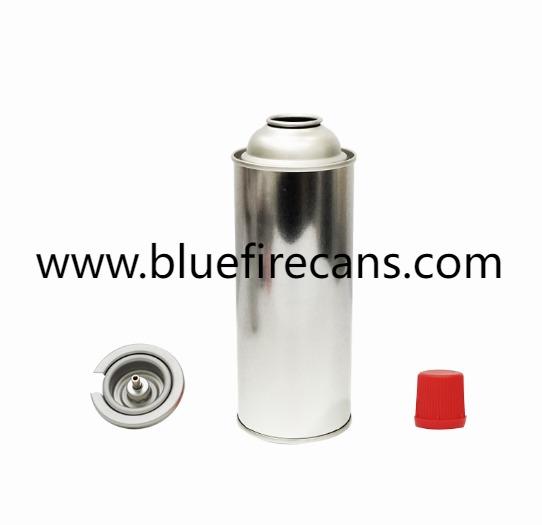
Butane Gas Canister selection should start with the intended application, equipment compatibility, capacity, dimensions, valve configuration, packaging, labeling, and destination requirements. For camping brands, distributors, importers, and private-label buyers, these factors can affect how smoothly a purchasing project moves from initial inquiry to sampling and production. A clear specification sheet can also help both sides discuss the required configuration without relying only on product photographs or general descriptions.
Identify the Intended Application
Before comparing different options, buyers should determine where and how the product will be used.
Camping stoves, portable burners, hiking equipment, and other outdoor appliances may have different connection and capacity requirements. The purchasing team should therefore provide information about the intended equipment before requesting a quotation.
An appliance model, technical drawing, existing sample, or product photograph can help clarify the required format. If the same project covers several appliances, each application should be listed separately.
The destination market is another useful detail to provide at the beginning. Packaging, labeling, documentation, transportation, and import requirements can differ between countries and regions.
Check Capacity and Physical Dimensions
Capacity should be considered together with physical dimensions.
Buyers can check diameter, height, internal volume, filling quantity, valve position, and connection measurements. These details help determine whether a selected configuration is suitable for the intended equipment and packaging arrangement.
For example, Bluefire provides camping options in several sizes, including 100g, 230g, and 450g configurations. The published specifications show that these formats have different dimensions and capacities, giving buyers options to consider according to their application.
If a buyer is replacing an existing product, sending a sample can make specification communication easier. For a new project, a dimensioned drawing can provide a more precise reference.
Confirm the Connection Type
Connection compatibility deserves careful attention.
A buyer should confirm the valve configuration, thread specification, connection dimensions, sealing arrangement, and appliance interface before approving a sample.
For camping applications, the published Bluefire product information specifies EN417-related configurations with a 7/16-28 threaded valve on several models. However, buyers should still verify compatibility with their particular appliance instead of assuming that every camping stove uses the same interface.
For projects involving multiple appliance models, separate specification sheets can help prevent different connection requirements from being mixed together.
Review Product Construction
Purchasers should also ask how the container is constructed and what production controls are applied.
Relevant questions can include the material used, forming process, valve assembly, sealing method, surface treatment, inspection procedures, and applicable technical requirements.
Since the product is intended to contain a pressurized flammable fuel, buyers should pay close attention to the safety, transportation, storage, and regulatory requirements applicable to their intended market.
Technical specifications should be confirmed in writing. Product photographs are useful for visual comparison, but they should not replace agreed measurements and technical information.
Consider Product Customization
For private-label projects, appearance and branding can be important purchasing considerations.
Buyers may require printed artwork, specific colors, logos, product information, carton markings, or customized packaging. These requirements should be communicated before production begins.
Artwork should be checked for dimensions, layout, colors, text, symbols, and other required information. When multiple designs are involved, each version can be assigned a reference number to make communication easier.
bluefirecans provides OEM-related options for fuel container projects, giving buyers an opportunity to discuss printing, product specifications, and packaging according to their individual requirements.
Examine Packaging Arrangements
Packaging should not be left until the final stage of purchasing.
Buyers can confirm the units per carton, carton dimensions, internal arrangement, shipping marks, labels, pallet requirements, and other packaging details.
When several sizes or artwork versions are included in one order, clear identification becomes particularly useful. It can help warehouse teams distinguish different configurations after delivery.
Transportation should also be considered during packaging discussions. Pressurized flammable products may have specific transportation and handling requirements, so buyers should verify the rules applicable to their destination and logistics provider.
Request Samples Before Larger Orders
A sample gives purchasing teams an opportunity to compare the proposed configuration with their actual requirements.
The review can include dimensions, appearance, valve configuration, printed information, packaging, and other agreed details.
For customized projects, an approved sample can become a useful production reference. If several versions are required, each approved sample should be clearly identified.
Any changes should be confirmed before production. This includes adjustments to dimensions, artwork, packaging, connection details, or other specifications.
A clear approval process can help reduce misunderstandings between purchasing, design, quality control, and production teams.
Discuss Inspection Requirements
Inspection arrangements should be established before an order is confirmed.
Depending on the purchasing agreement, inspection may cover appearance, dimensions, filling quantity, valve assembly, sealing, printing, packaging, and order quantity.
Buyers should decide which characteristics need to be checked and how inspection results will be recorded.
The agreed inspection points can then be included in the purchase documentation. This provides both sides with a shared reference and makes later discussions easier if questions arise during production.
Plan for Different Order Quantities
Bulk purchasing may involve more than simply increasing the number of units.
A project may include several sizes, artwork versions, packaging formats, or configurations for different markets. These details should be organized in a clear order sheet.
The document can list each configuration, quantity, artwork reference, packaging requirement, inspection point, and delivery arrangement.
This helps purchasing teams review the order internally and gives the production side clearer information for planning.
For repeat orders, an approved specification sheet can also be updated when requirements change, rather than recreated from the beginning.
Evaluate Communication
Good communication is particularly useful when the project involves customization.
Buyers should be able to discuss specifications, samples, artwork, packaging, inspection, quantities, and changes in a clear format.
It can be helpful to keep important information in written records rather than relying entirely on separate messages. This creates a reference that purchasing, quality, design, logistics, and production teams can review.
For international buyers, this approach can be especially practical because several departments may participate in the same sourcing project.
Check the Target Market
The country or region where the product will be sold or used should be communicated early.
Different markets may have their own requirements for labeling, packaging, documentation, transportation, and import procedures.
The buyer should verify the applicable regulations for the destination market and intended application. The supplier can provide available technical information and product documentation, while the buyer should confirm the requirements that apply to its own business.
This step is particularly important when a product will be distributed across several markets with different regulatory frameworks.
Build a Purchasing Checklist
A practical checklist can include application, capacity, dimensions, connection configuration, appliance compatibility, construction details, artwork, packaging, sample approval, inspection requirements, quantity, delivery arrangements, and destination information.
Keeping these points together makes it easier to identify which details have been confirmed and which still need discussion.For private-label buyers, this checklist can also become a reference for repeat orders. Changes can be recorded against the approved version so that purchasing and production teams are working from the same information.bluefirecans can discuss product specifications, available configurations, OEM printing, packaging, sampling, and bulk purchasing requirements according to a buyers project. Buyers can review the available product range and continue their product inquiry at https://www.bluefirecans.com/

 English
 Arabic
 French
 Spanish
 Portuguese
 Deutsch
 Turkish
 Dutch
 Italiano
 Russian
 Portuguese (Brazil)
 Greek