


Achieving Subtle Brow Elevation Without Surgery via a Thread Lift in Dubai
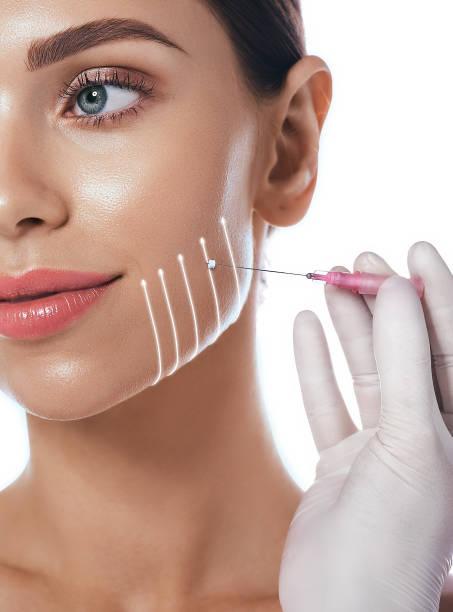
The position of the eyebrows can influence the appearance of the entire upper face. A slightly lower brow may create a tired or heavy expression, even when the skin around the eyes is otherwise healthy. For selected patients with mild tissue descent, a Thread Lift in Dubai may be discussed as a minimally invasive option for supporting the brow area without undergoing a surgical brow lift.
The suitability of this approach depends on brow anatomy, skin quality, the degree of descent, and the patient's expectations. It is not designed to produce a dramatic change or correct every cause of a low brow position.
What Causes the Brows to Descend?
Brow position is influenced by several structures, including skin, connective tissue, muscles, and the underlying facial skeleton. Age-related changes may gradually affect the balance between the muscles that elevate and lower the eyebrows.
Other contributing factors include:
-
Natural facial anatomy and inherited brow shape
-
Changes in skin elasticity
-
Soft-tissue descent over time
-
Muscle activity around the forehead and eyes
-
Previous facial procedures or injuries
Some people naturally have lower or flatter brows without experiencing age-related descent. This distinction matters because a treatment designed to reposition soft tissue may not address a brow shape determined mainly by anatomy.
How a Thread Lift in Dubai May Support the Brow Area
A thread lift involves placing absorbable sutures beneath the skin to engage and support selected tissues. With Silhouette Soft, bidirectional cones help hold tissue along the planned thread pathway.
In appropriately selected cases, a practitioner may consider whether this support can create a subtle elevation of the brow or improve the appearance of mild upper-face tissue descent.
Planning the Direction of Support
Brow treatment requires careful consideration of the patient's natural brow shape, forehead movement, and the surrounding eye area.
The practitioner assesses where support may be appropriate and whether the intended direction is likely to produce a balanced appearance. The aim is not to pull the brow as high as possible, but to preserve natural proportions.
The Role of Absorbable PLLA Threads
Silhouette Soft threads are made from absorbable poly-L-lactic acid. Their cones provide mechanical engagement, while the gradual absorption of the material may contribute to a collagen-related tissue response.
The biological response varies between individuals and does not guarantee a specific degree of long-term brow elevation.
Who May Be Considered for Brow Thread Lifting
A practitioner may evaluate this option for individuals with mild tissue descent who want a modest change and have suitable tissue characteristics.
Factors considered during assessment include:
-
Existing brow height and symmetry
-
Skin thickness and elasticity
-
Forehead and temple anatomy
-
Degree of tissue laxity
-
Natural muscle movement
-
Previous treatments in the upper face
People with substantial brow descent, significant excess skin, or functional visual concerns may need a different assessment. A thread lift should not be presented as a substitute for surgical correction when surgery is clinically indicated.
Thread Lift vs Surgical Brow Lift
Both approaches may aim to improve brow position, but they differ in technique, degree of correction, and recovery.
| Feature | Thread lift | Surgical brow lift |
|---|---|---|
| Method | Absorbable threads placed beneath the skin | Surgical repositioning of brow and forehead tissues |
| Invasiveness | Minimally invasive procedure | Surgery |
| Intended correction | Selected mild tissue descent | Can address more significant descent, depending on technique |
| Incisions | Small entry points | Surgical incisions |
| Recovery | Bruising, swelling, and tenderness may occur | More extensive recovery is generally expected |
| Longevity | Temporary and variable | Generally longer-lasting, but ageing continues |
The right option depends on anatomy, desired correction, medical suitability, and informed discussion with a qualified practitioner.
Other Factors That Influence Brow Appearance
Not every concern around the eyebrows is caused by sagging tissue. Muscle activity, forehead lines, eyelid skin, and natural facial structure can all affect the appearance of the upper face.
Brow Position and Muscle Activity
Muscles around the forehead and eyes influence how the eyebrows move. A practitioner may assess whether muscle activity contributes to the patient's concern before recommending a treatment.
Eyelid Skin and Upper-Eye Fullness
Excess upper-eyelid skin or fullness may create a heavy appearance that resembles brow descent. Thread lifting may not correct these concerns. An appropriate examination can help distinguish between brow position and eyelid-related changes.
Natural Facial Asymmetry
Small differences between the two eyebrows are common. Treatment planning should take these differences into account rather than assuming that perfectly identical brow positions are always achievable.
What to Expect During Treatment Planning
A consultation should include a detailed review of the upper face. The practitioner may assess the brows at rest and during expression, review previous procedures, and discuss the patient's desired degree of elevation.
The process may involve:
-
Reviewing relevant medical history and medications.
-
Examining brow shape, position, and symmetry.
-
Assessing forehead movement and surrounding tissue.
-
Discussing suitable treatment options and alternatives.
-
Explaining possible outcomes, limitations, and risks.
-
Providing aftercare and follow-up guidance.
The practitioner should explain why a thread-based approach is appropriate, if recommended, and whether another treatment would better address the concern.
Recovery and Possible Side Effects
Temporary swelling, bruising, tenderness, tightness, and unevenness may occur after a thread lift. Some patients may experience dimpling or puckering near the treated area.
Potential complications include infection, asymmetry, thread visibility or extrusion, migration, prolonged discomfort, and injury to nearby structures. Patients should seek prompt advice if they develop worsening pain, increasing redness, fever, unusual discharge, or changes in vision.
Aftercare instructions may include avoiding pressure on the treated area, limiting strenuous activity for a specified period, and postponing facial treatments until cleared by the practitioner.
Read More: DHI Direct Hair Implant in Dubai for Short Hairstyles
Understanding the Limitations of Non-Surgical Brow Elevation
A thread lift does not change the underlying bone structure or correct every cause of a low brow. It may offer a modest tissue-supporting effect in selected cases, but results are temporary and vary.
Patients seeking a significant change in brow position should discuss surgical and non-surgical options rather than assuming a minimally invasive procedure can provide the same correction as surgery.
Clinic Note: Brow rejuvenation should preserve the natural expression and proportions of the upper face. A careful assessment of brow position, eyelid anatomy, and muscle activity is essential before selecting a treatment.
Frequently Asked Questions
Can a thread lift raise the eyebrows?
It may provide subtle support and elevation in selected patients with mild tissue descent. The degree of change varies and is not equivalent to a surgical brow lift.
Is brow thread lifting suitable for everyone?
No. Skin quality, brow anatomy, degree of descent, medical history, and previous procedures all influence suitability.
Can a thread lift correct heavy upper eyelids?
Not necessarily. Heavy eyelids may be caused by excess eyelid skin or other anatomical factors that a thread lift cannot correct.
Will both eyebrows look exactly the same afterward?
Perfect symmetry cannot be guaranteed. Natural differences in facial anatomy and healing may remain.
How long does brow elevation last?
The effect is temporary and varies according to the thread system, tissue characteristics, placement, and individual response. A practitioner can explain realistic expectations during consultation.
Explore Upper-Face Rejuvenation at Tajmeels Clinic
Subtle brow changes can influence the overall expression, but successful treatment planning requires attention to the entire upper face. Tajmeels Clinic offers personalized consultations to assess brow position, skin quality, and facial proportions before discussing suitable options. An individual evaluation can help determine whether a thread lift is appropriate or whether another approach may better match the patient's goals.

 English
 Arabic
 French
 Spanish
 Portuguese
 Turkish
 Dutch
 Italiano
 Russian
 Romaian
 Portuguese (Brazil)
 Greek