


Nose Surgery in Dubai: Your Guide to Informed Decisions
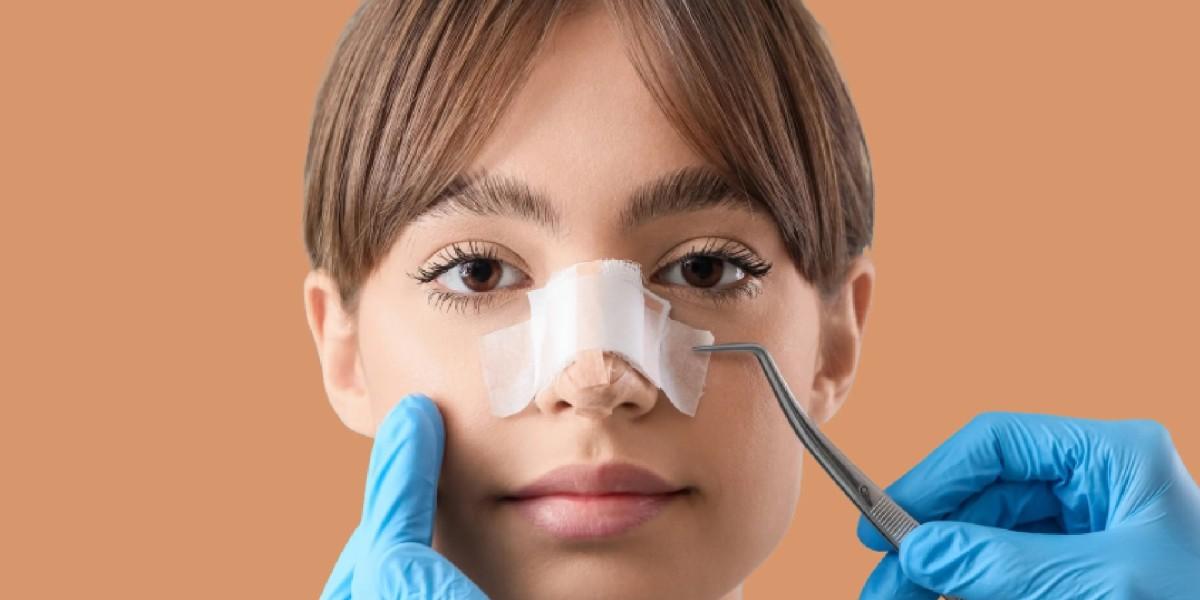
Choosing to undergo nose surgery is a personal decision that requires careful thought, realistic expectations, and a clear understanding of the available procedures. The nose plays an important role in facial balance, appearance, and breathing. Some people consider surgery to improve the shape or proportions of their nose, while others seek treatment to address structural concerns that affect airflow and everyday comfort. Understanding the available options can help patients make informed choices and prepare for each stage of treatment.
Nose Surgery in Dubai is a search term used by people exploring surgical options for cosmetic and functional nasal concerns. Before deciding on a procedure, it is important to understand the consultation process, surgical techniques, recovery expectations, potential outcomes, and the importance of choosing an appropriate clinic. A well-planned approach focuses on individual anatomy and personal goals rather than promising identical results for every patient.
At Perfect Doctors Clinic, patients can explore information about nasal procedures and discuss their concerns during a professional consultation. Learning about the process in advance can make it easier to ask relevant questions and understand which treatment approach may be suitable.
Understanding Nose Surgery in Dubai
Nose surgery refers to surgical procedures designed to change the structure, shape, or function of the nose. The appropriate procedure depends on the patient's anatomy, medical history, breathing concerns, and desired outcome. Some procedures focus primarily on appearance, while others address internal structures that may interfere with normal breathing.
People may consider nasal surgery for several reasons, including:
- A nasal shape that feels disproportionate to other facial features.
- A visible bump or uneven nasal bridge.
- A wide, narrow, or asymmetrical nasal tip.
- A nose that has changed following an injury.
- Structural concerns that contribute to nasal obstruction.
- A desire to improve overall facial harmony.
Not every concern requires surgery. A qualified professional should assess the nose and discuss whether an operation is appropriate. Patients should also understand that facial anatomy, skin thickness, healing patterns, and individual expectations can influence the final outcome.
Why Patients Consider Rhinoplasty Dubai
Rhinoplasty Dubai is a commonly used phrase when researching cosmetic nose procedures. Rhinoplasty is designed to modify the external shape of the nose while considering the patient's facial proportions. Depending on the treatment plan, it may involve adjusting the nasal bridge, refining the tip, changing the width, or improving symmetry.
Some patients want subtle changes that preserve their natural appearance, while others have more specific concerns about their nasal profile. The purpose of a consultation is to discuss these goals and determine what may be achievable based on the individual's anatomy.
A suitable treatment plan should consider both appearance and function. Changing the external structure without considering internal support and airflow may not address every concern. Therefore, a thorough assessment is an important part of planning.
Rhinoplasty in Dubai: Understanding the Procedure
Rhinoplasty in Dubai may involve different surgical techniques depending on the complexity of the case. The surgeon evaluates the nasal bones, cartilage, skin, and internal structures before recommending an approach.
Two commonly discussed techniques are open and closed rhinoplasty. In open rhinoplasty, a small incision is made across the columella, the tissue between the nostrils, allowing greater visibility of the underlying structures. In closed rhinoplasty, incisions are made inside the nostrils.
Neither technique is automatically suitable for every patient. The choice depends on the changes required, the surgeon's assessment, and the overall surgical plan.
Common Reasons for Considering Nose Surgery
Understanding the reason for surgery helps establish realistic treatment goals. Patients should identify the concerns that matter most to them and communicate them clearly during consultation.
Cosmetic Concerns
Cosmetic nasal surgery may be considered when a person wants to adjust certain features of the nose. These can include:
- Reducing the appearance of a prominent nasal bridge.
- Refining a rounded or broad nasal tip.
- Improving visible asymmetry.
- Adjusting nasal width.
- Creating better balance between the nose and other facial features.
The aim should be a result that suits the individual's facial structure rather than copying another person's appearance.
Functional Concerns
Some people experience breathing difficulties due to structural issues inside the nose. These may include a deviated septum or other anatomical obstructions. A medical assessment can help identify the underlying cause and determine whether surgical treatment may be beneficial.
Cosmetic rhinoplasty and functional nasal procedures are not interchangeable. A patient with breathing problems may require a different treatment approach from someone seeking only an aesthetic change.
Rhinoplasty Surgery: What Happens During Treatment?
Rhinoplasty surgery is generally performed under anaesthesia in an appropriate surgical setting. The exact steps depend on the selected technique and the changes planned for the patient's nose.
The process usually includes the following stages:
- Preoperative assessment: The surgeon reviews the patient's medical history, examines the nose, and discusses the desired changes.
- Surgical planning: A treatment approach is selected according to the nasal structure and agreed goals.
- Anaesthesia: The appropriate anaesthesia is administered by the medical team.
- Surgical adjustments: The surgeon modifies selected bone, cartilage, or soft-tissue structures.
- Support and closure: The nose is supported as needed, and incisions are closed.
- Initial recovery: The patient receives postoperative instructions and guidance for follow-up appointments.
The duration of surgery and the details of recovery vary. Patients should follow their surgeon's instructions rather than relying on general timelines found online.
How to Choose a Rhinoplasty Clinic in Dubai
Selecting a suitable clinic is one of the most important decisions in the treatment journey. Patients should look beyond promotional claims and focus on medical suitability, professional communication, and the quality of the consultation process.
When researching a Rhinoplasty clinic in Dubai, consider the following factors:
- Whether the consultation includes a detailed assessment of nasal anatomy.
- Whether the treatment plan addresses the patient's individual concerns.
- Whether expected results and limitations are explained clearly.
- Whether the surgical setting and medical arrangements are appropriate.
- Whether postoperative care and follow-up appointments are discussed.
- Whether patients have an opportunity to ask questions before making a decision.
At Perfect Doctors Clinic, patients can discuss their nasal concerns and learn more about the available treatment approach. A consultation should provide clear information and allow individuals to make decisions without feeling pressured.
Best Rhinoplasty Surgeons in Dubai: What Should Patients Evaluate?
Searching for the Best Rhinoplasty surgeons in Dubai can produce many options, but patients should evaluate suitability carefully rather than relying on a title or advertisement. Rhinoplasty requires an understanding of nasal anatomy, facial proportions, surgical planning, and functional considerations.
Patients may wish to discuss the surgeon's relevant qualifications, experience with similar procedures, approach to patient assessment, and postoperative care arrangements. It is also useful to ask how the surgeon evaluates the relationship between the external shape of the nose and its internal structure.
Best Rhinoplasty surgeons in Dubai: Questions to Ask
When comparing treatment options, patients can prepare questions such as:
- What changes may be realistic for my nasal structure?
- Which surgical technique would you recommend, and why?
- How will the procedure account for my breathing?
- What should I expect during the recovery period?
- When can I return to normal daily activities?
- What follow-up care will be provided?
- How will the final outcome be assessed?
These questions can help patients understand the treatment plan and make a more informed decision.
Best Doctors in Dubai: Making an Informed Choice
Researching the Best doctors in dubai involves more than comparing online descriptions. Patients should consider relevant medical qualifications, experience, communication, and the ability to explain both benefits and limitations.
A good consultation should be an open discussion. Patients should feel comfortable describing their concerns, asking questions, and taking time to consider the information before proceeding. The decision should be based on professional assessment and personal suitability.
Nose Surgery cost in Dubai: Understanding the Factors
The Nose Surgery cost in Dubai can vary depending on the type of procedure, the complexity of the nasal structure, the surgical technique, and the medical arrangements involved. A straightforward cosmetic adjustment may require a different treatment plan from a more complex operation involving structural reconstruction or functional correction.
Other factors that may influence the overall cost include:
- The surgeon's relevant experience and professional expertise.
- The complexity and expected duration of surgery.
- Anaesthesia and facility fees.
- Preoperative investigations, if required.
- Postoperative medication and support.
- Follow-up consultations and aftercare arrangements.
Rhinoplasty cost in Dubai: What Is Included?
The Rhinoplasty cost in Dubai should be discussed during the consultation so patients understand what the quoted amount covers. It is important to ask whether the estimate includes the surgeon's fee, anaesthesia, operating facility, medical assessments, and follow-up appointments.
Patients should avoid choosing a procedure based on price alone. Understanding the treatment plan, medical arrangements, and aftercare is essential when comparing options. A personalised quotation is generally more useful than relying on a general online estimate.
Rhinoplasty Treatment Options in Dubai
The appropriate treatment depends on the patient's concerns and nasal anatomy. Rhinoplasty treatment options may involve adjustments to different areas of the nose, but not every technique is suitable for every individual.
Common areas that may be assessed include:
Nasal Bridge Refinement
Some patients are concerned about a prominent bump or unevenness along the bridge. Surgical planning may involve adjusting the underlying bone or cartilage to create a more balanced profile.
Nasal Tip Refinement
The nasal tip can influence the overall appearance of the nose. Depending on the patient's anatomy, treatment may focus on its shape, projection, or definition.
Nasal Width Adjustment
Some individuals want to change the width of the nose or improve its relationship with other facial features. The surgeon must assess the nasal base and surrounding structures before recommending an adjustment.
Revision Rhinoplasty
Revision surgery may be considered when a patient has concerns following an earlier nasal operation. These cases can be more complex because the existing anatomy may have changed due to previous surgery and healing. A detailed assessment is essential before deciding whether another procedure is appropriate.
Rhinoplasty Procedures in Dubai: Personalised Surgical Planning
Rhinoplasty procedures in Dubai can differ according to the patient's needs, the surgeon's assessment, and the complexity of the planned changes. Personalised planning helps ensure that the proposed procedure addresses the main concerns without overlooking nasal function.
During the planning stage, the surgeon may evaluate:
- Nasal bone structure.
- Cartilage shape and support.
- Skin thickness and elasticity.
- Nasal symmetry and facial proportions.
- Internal airway structures.
- Previous injuries or nasal procedures.
- The patient's medical history and expectations.
Patients should understand that surgery cannot guarantee perfect symmetry or an exact copy of a reference photograph. The purpose of planning is to identify achievable improvements while maintaining appropriate structural support.
Rhinoplasty Before and After: Understanding Expected Changes
Rhinoplasty before and after photographs can help patients understand the types of changes that may be possible. However, photographs should be viewed as examples rather than promises of a particular outcome.
Every nose has different structural characteristics. Skin thickness, cartilage strength, bone shape, facial proportions, and healing patterns can all influence the result. Two patients requesting similar changes may therefore experience different outcomes.
When reviewing before-and-after examples, patients should consider whether the cases have comparable starting anatomy and whether the photographs represent fully healed results. It is also useful to ask how long after surgery the photographs were taken.
The best treatment plan should reflect the patient's own facial structure and expectations.
Rhinoplasty Recovery: What to Expect After Surgery
Rhinoplasty recovery takes place gradually. The initial recovery period may involve swelling, bruising, congestion, and temporary discomfort. The amount and duration of these symptoms vary from person to person.
Patients generally receive instructions about rest, nasal care, medication, and follow-up appointments. Following these instructions is important for supporting the healing process.
During the First Few Days
Patients may need to rest and avoid strenuous activities. Swelling and bruising can be more noticeable during the early stage. The surgeon may recommend keeping the head elevated and avoiding pressure on the nose.
During the First Few Weeks
Some swelling and tenderness may continue as healing progresses. Patients should follow guidance about exercise, wearing glasses, sleeping positions, and returning to work or other activities.
Over the Following Months
The nose continues to settle as deeper tissues heal. Changes may become more refined over time, particularly around the nasal tip. Patients should attend recommended follow-up appointments to monitor progress.
Recovery timelines are individual, so patients should not compare their healing process too closely with someone else's experience.
Rhinoplasty Results: Setting Realistic Expectations
Rhinoplasty results develop over time rather than appearing immediately after surgery. Early swelling can affect the appearance of the nose, making it difficult to judge the outcome during the first few weeks.
A realistic treatment goal is to improve the features that concern the patient while maintaining facial balance and appropriate nasal function. The final appearance depends on several factors, including anatomy, surgical technique, healing, and adherence to postoperative instructions.
Patients should discuss expected changes and limitations before surgery. Clear communication can help prevent misunderstandings and support more realistic expectations.
The Importance of Consultation Before Nose Surgery
A consultation is an opportunity to understand whether surgery is appropriate and what the treatment process may involve. Patients should share their medical history, previous nasal procedures, allergies, medication use, and any breathing difficulties.
The consultation may include an examination of the external nose and internal nasal structures. The surgeon can then explain possible approaches, expected recovery, and potential limitations.
At Perfect Doctors Clinic, patients can use the consultation process to discuss their concerns and seek information about nasal treatment options. Taking time to understand the details can help individuals make decisions with greater confidence.
Preparing for Nose Surgery in Dubai
Preparation begins well before the operation. Patients should follow the medical team's instructions and provide accurate information about their health.
Useful preparation steps may include:
- Sharing a complete medical history.
- Discussing all medications and supplements.
- Completing recommended medical assessments.
- Following instructions about eating and drinking before surgery.
- Arranging transport and support for the initial recovery period.
- Preparing a comfortable place to rest at home.
- Understanding the postoperative care instructions.
Patients should not stop prescribed medication or begin new medication without medical advice. Any questions about preparation should be discussed directly with the treating team.
Important Considerations Before Making Your Decision
Nose surgery is a significant medical decision, and patients should consider the benefits, limitations, and possible risks before proceeding. No surgical procedure can guarantee a specific appearance or outcome.
A responsible decision-making process includes understanding the proposed technique, recovery requirements, follow-up arrangements, and possible complications. Patients should also consider whether their expectations are realistic and whether they feel comfortable with the treatment plan.
Taking time to compare relevant information and ask questions can help patients avoid rushed decisions. The right choice is one that reflects medical suitability, individual goals, and a clear understanding of the procedure.
Conclusion
Choosing Nose Surgery in Dubai requires careful research, professional guidance, and realistic expectations. From understanding Rhinoplasty Dubai treatment options to comparing surgical approaches, costs, recovery requirements, and expected outcomes, every stage plays an important role in informed decision-making.
Patients should focus on individual assessment, clear communication, appropriate medical arrangements, and comprehensive aftercare when selecting a treatment plan. Perfect Doctors Clinic is the clinic reference for this guide, where patients can explore their concerns and discuss available nasal treatment options.
A thoughtful consultation and a personalised approach can help patients understand what surgery may achieve and decide whether it is the right option for them.
Frequently Asked Questions
1. What is Nose Surgery in Dubai?
Nose Surgery in Dubai refers to surgical procedures that address the appearance or structure of the nose. Depending on the patient's needs, treatment may focus on cosmetic changes, functional concerns, or a combination of both.
2. What is the difference between rhinoplasty and septoplasty?
Rhinoplasty generally focuses on changing the external shape of the nose, while septoplasty is performed to correct a deviated nasal septum. Some patients may require both procedures, depending on their anatomy and medical concerns.
3. How do I choose a Rhinoplasty clinic in Dubai?
Consider the clinic's consultation process, the surgeon's relevant qualifications and experience, the clarity of the treatment plan, surgical arrangements, and the availability of postoperative follow-up.
4. How much does Nose Surgery cost in Dubai?
The cost varies according to the procedure, surgical complexity, anaesthesia, facility arrangements, and aftercare. Patients should request a personalised quotation and confirm what it includes.
5. How long does rhinoplasty recovery take?
Initial recovery takes place over the first few weeks, but swelling can continue to settle for several months. The exact timeline depends on the procedure and the patient's healing process.
6. When can I see my final Rhinoplasty results?
Early changes may be visible after the initial swelling decreases, but the nose can continue to refine over several months. The surgeon can provide guidance based on the individual treatment plan.
7. Is rhinoplasty suitable for everyone?
No. Suitability depends on overall health, nasal anatomy, medical history, and expectations. A professional consultation is necessary to determine whether surgery is appropriate.
8. Can rhinoplasty improve breathing?
Rhinoplasty may address certain structural concerns, but its primary purpose is often cosmetic. Patients with breathing difficulties need an assessment to identify the cause and determine whether functional treatment is required.
9. What should I avoid after nose surgery?
Patients are generally advised to avoid activities that may put pressure on or injure the nose, including strenuous exercise during the early recovery period. Specific restrictions should come from the treating surgeon.
10. Why is consultation important before nose surgery?
Consultation allows the surgeon to assess nasal anatomy, understand the patient's goals, review medical history, explain suitable techniques, and discuss recovery expectations and potential risks.

 English
 Arabic
 French
 Spanish
 Portuguese
 Deutsch
 Turkish
 Dutch
 Russian
 Romaian
 Portuguese (Brazil)
 Greek