


What Should Buyers Expect From Wholesale Lightweight Scooter Manufacturing?
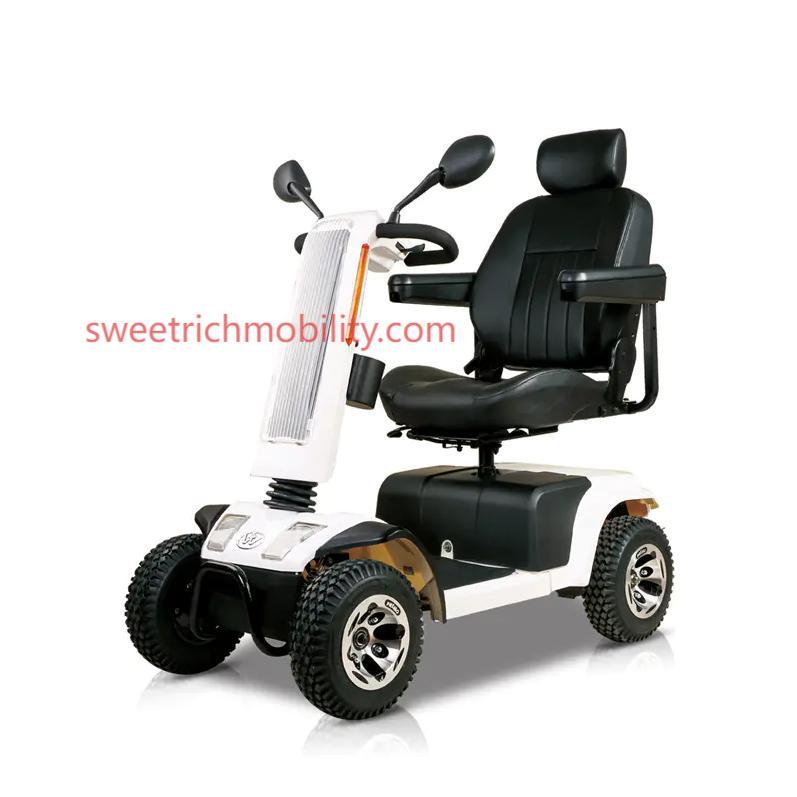
The way people think about personal transportation continues to evolve, with convenience, flexibility, and practical handling becoming important considerations. Mobility equipment is no longer viewed simply as a means of getting from one place to another; its design also needs to accommodate different routines and surroundings. Against this background, Wholesale Lightweight Scooter solutions from Sweetrichmobility reflect an approach to product development that brings portability, thoughtful construction, and everyday usability into the same conversation.
Weight and structure are closely connected when developing portable mobility equipment. A carefully planned frame can help make a scooter easier to handle during transportation, storage, and routine preparation. Manufacturers need to consider how different structural components contribute to the overall construction while keeping the intended operating experience in mind. This requires coordination between material selection, component positioning, and product engineering.
Convenient handling is another important consideration. Some users may need to move their equipment between home and a vehicle, while others may store it in a limited indoor space. Folding arrangements, removable components, and accessible handling points can make these activities easier to organize. A practical design should allow users to understand the necessary operations without making the process unnecessarily complicated.
Portability, however, should not come at the expense of comfort. The seat, backrest, handlebars, and footrest all influence the relationship between the user and the equipment. Their positioning needs to support a natural operating posture while allowing the scooter to maintain a compact structure. Manufacturers can refine these details through product evaluation and attention to everyday usage requirements.
Material selection plays an important role in achieving a suitable balance. Different materials offer different characteristics in terms of structure, surface finish, and maintenance. Frames require appropriate construction, while seating materials should be selected with regular contact and comfort in mind. Wheels and connecting components also need to match the product's intended application. Coordinating these choices helps create a unified design.
Appearance is another element that deserves consideration. Consumers may appreciate mobility products with clean outlines, coordinated body panels, and a modern visual style. Thoughtful exterior design can make equipment feel more approachable and compatible with contemporary lifestyles. Practical elements should remain easy to recognize and access, ensuring that appearance supports rather than complicates operation.
For distributors and retailers, product variety creates opportunities to serve different customer preferences. Some buyers may be interested in folding structures, while others may focus on seating arrangements, transportation convenience, or operating features. Understanding these distinctions helps businesses organize their product collections and introduce options that correspond with different usage scenarios.
Manufacturing procedures are equally relevant to the finished product. Component preparation, assembly coordination, structural adjustment, and inspection all contribute to product consistency. Clear production requirements help manufacturing teams understand the intended function of each part. Attention to these processes can also support communication between product development teams and business partners.
Another important aspect of product sourcing is the information available to buyers. Detailed specifications, understandable product descriptions, and responsive communication help distributors evaluate different models. When manufacturers provide clear information about product configurations and intended applications, purchasing discussions can become more focused and productive.
Lightweight mobility design continues to offer opportunities for manufacturers to respond to changing consumer expectations. Practical improvements may involve refining frame structures, simplifying handling procedures, or adjusting component arrangements. These development choices can influence how easily equipment fits into everyday transportation and storage routines.
A mobility product should make daily arrangements feel more manageable, not more complicated. That idea provides a useful starting point when evaluating portable equipment and its manufacturing background. If you are considering new directions for your mobility product collection, take a moment to visit https://www.sweetrichmobility.com/product/ . Browse the available designs, examine the details behind each product, and see which ideas could add a fresh perspective to your next project.

 Arabic
 French
 Spanish
 Portuguese
 Deutsch
 Turkish
 Dutch
 Italiano
 Russian
 Romaian
 Portuguese (Brazil)
 Greek