


Is Dental Crown Treatment Safe for Older Adults?
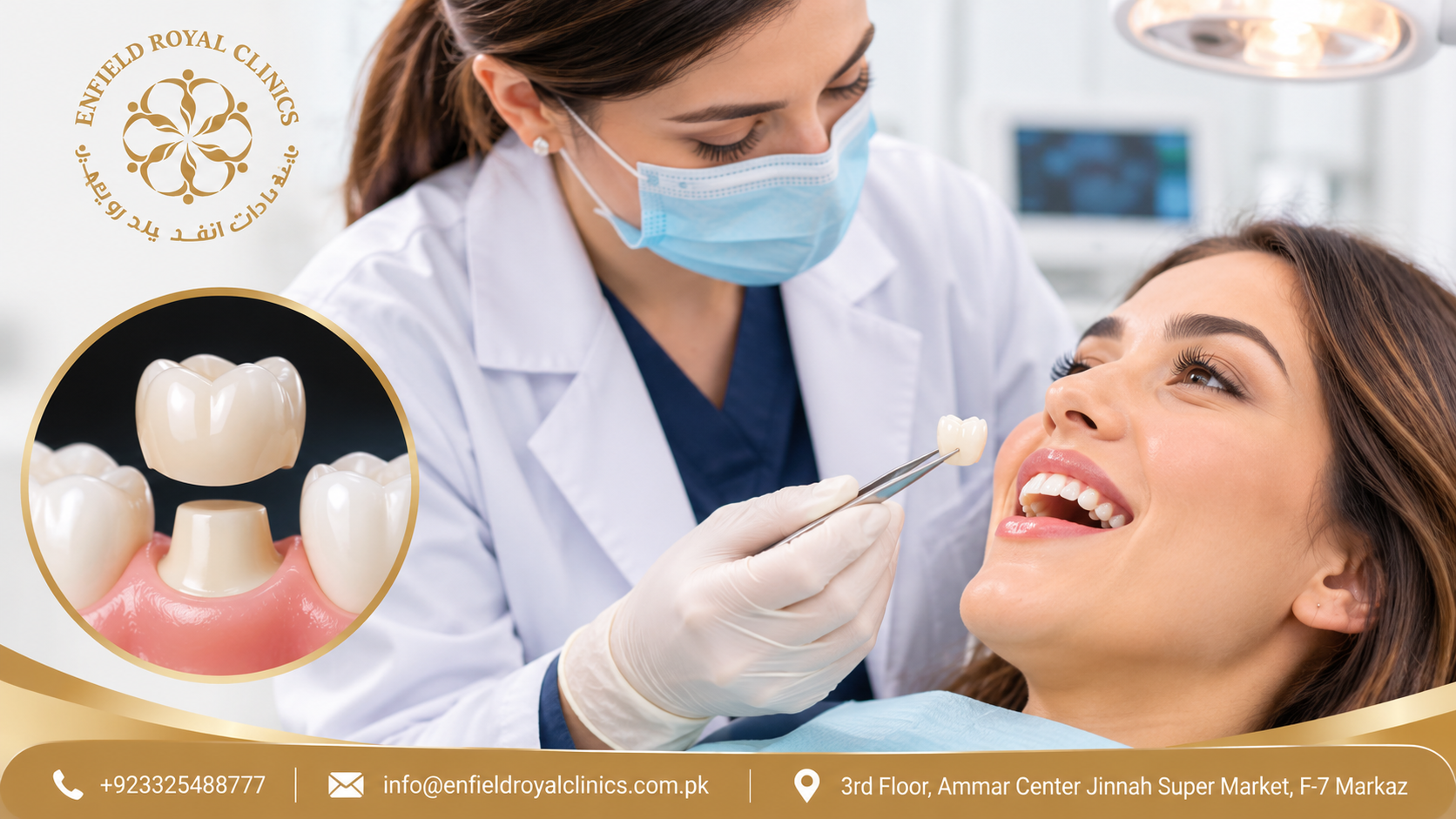
Maintaining healthy teeth becomes increasingly important as people grow older. Over time, teeth may become weaker because of extensive fillings, decay, fractures, gum problems, or years of chewing and grinding. These changes can make eating uncomfortable and affect the appearance of a smile. Dental crown treatment offers a restorative option for repairing damaged teeth and protecting the remaining natural structure.
Dental Crown Treatment in Islamabad can be a suitable option for older adults who have weakened, cracked, broken, or severely decayed teeth. A dental crown is a custom-made cap placed over a prepared tooth to restore its shape, strength, and function. The treatment is generally safe for suitable patients, and age alone is not a reason to avoid it. However, overall health, existing medical conditions, medications, and oral health should be considered before treatment.
Is Dental Crown Treatment Safe for Older Adults?
Yes, dental crown treatment can generally be performed safely in older adults when the tooth and patient's overall health are properly assessed. The procedure is commonly used to restore damaged teeth and provide additional support to weakened structures.
Older patients may have different dental needs compared with younger individuals. For example, gum recession can expose the roots of teeth, while long-term fillings may leave less natural tooth structure available for support. Some older adults also experience dry mouth because of medications or underlying health conditions, increasing their risk of tooth decay. The American Dental Association highlights these age-related oral health considerations. <Cite refs={["turn261995search0"]}/>
Before recommending a crown, the dental professional examines the affected tooth, surrounding gums, roots, and bite alignment. Medical history is also reviewed to identify any conditions that may influence treatment.
Local anaesthesia is generally used during tooth preparation to reduce discomfort. Clinical guidance for older adults supports using appropriate local anaesthesia while tailoring treatment to the patient's medical condition. <Cite refs={["turn261995search24"]}/>
Therefore, the most important factor is not the patient's age but whether the tooth can support a crown and whether the patient's health allows treatment to proceed comfortably.
Who Can Benefit From Dental Crown Treatment in Older Age?
Dental crowns can help older adults who have teeth affected by extensive damage or structural weakness. The treatment may be recommended when a regular filling cannot provide enough coverage or support.
Some common dental problems that may benefit from crowns include:
1. Extensive Tooth Decay: Older teeth may develop cavities around existing fillings or near exposed root surfaces. When decay affects a large portion of a tooth, a crown may help rebuild its shape after the damaged area has been treated.
2. Cracked or Broken Teeth: Years of chewing, previous dental work, or accidental injuries can lead to cracks and fractures. A crown may cover and support the remaining structure when the tooth is suitable for restoration.
3. Large Existing Fillings: Teeth with large restorations may have weakened walls. A crown can provide more complete coverage and help reduce the risk of further fractures.
4. Worn-Down Teeth: Long-term grinding or clenching can gradually reduce tooth height and change the biting surface. In selected cases, crowns can restore the lost shape and improve chewing function.
5. Teeth After Root Canal Treatment: Some teeth require additional protection after root canal treatment, particularly when substantial natural structure has been lost. A crown may help support the remaining tooth.
By addressing these concerns, dental crowns can help suitable older patients maintain comfortable chewing and preserve their natural teeth.
What Health Conditions and Medications Should Older Patients Discuss Before Treatment?
Medical history is an important part of dental crown planning, particularly for older adults who may have more than one health condition or take several medications.
High Blood Pressure: Patients with hypertension should inform the dental professional about their condition and prescribed medication. Blood pressure may be checked before treatment, and the appointment can be planned according to individual health needs.
Diabetes: Diabetes can affect gum health and the body's ability to respond to infection. Patients should discuss their blood sugar control and any diabetes-related complications before treatment. Maintaining good oral hygiene is especially important.
Heart Conditions: Patients with heart disease, previous cardiac procedures, or other significant cardiovascular conditions should provide complete medical information. Certain heart conditions may require special precautions depending on the patient's history and treatment.
Blood-Thinning Medication: Some older adults take anticoagulants or antiplatelet medicines, such as warfarin, aspirin, or other prescribed drugs. These medications should be disclosed before dental treatment. Patients should never stop or change their medication independently. Any adjustment, when necessary, must be guided by the prescribing medical professional and appropriate dental advice. <Cite refs={["turn261995search2"]}/>
Multiple Medications: Several prescription and over-the-counter medicines can interact with dental medications or contribute to dry mouth. A complete and updated medication list helps the dental professional plan treatment more safely.
Older patients should also mention allergies, kidney or liver conditions, previous reactions to anaesthesia, and any recent medical procedures.
What Happens During Dental Crown Treatment for Older Adults?
The general crown procedure is similar for older and younger adults. However, the treatment plan may be adjusted according to the patient's comfort, health, and dental condition.
1. Initial Examination: The affected tooth, surrounding gums, and bite are examined. Dental X-rays may be taken to check the roots and identify hidden decay or infection.
2. Medical Assessment: The patient's medical history and current medications are reviewed. If necessary, coordination with the patient's medical professional may help clarify treatment precautions.
3. Tooth Preparation: If the tooth is suitable, it is carefully reshaped to create enough space for the crown. Local anaesthesia is generally used to minimise discomfort. Any decay or damaged structure requiring treatment is addressed.
4. Digital Scan or Impression: An impression or digital scan records the prepared tooth's shape. This information is used to produce a custom crown that fits comfortably and aligns with nearby teeth.
5. Temporary Crown: A temporary crown may be placed while the permanent restoration is being prepared. It protects the prepared tooth during this period.
6. Permanent Crown Placement: Once the final crown is ready, its shape, fit, colour, and bite alignment are checked. Necessary adjustments are made before it is securely attached.
Appointment length and the number of visits may vary. Older patients who experience fatigue or difficulty sitting for long periods may benefit from appointments planned around their comfort and physical needs.
What Are the Benefits and Possible Risks for Older Adults?
Dental crown treatment can offer several benefits when a tooth has enough healthy structure to support restoration.
Improved Chewing Function: A crown rebuilds the damaged biting surface, helping patients chew more comfortably when the problem is caused by structural tooth damage.
Protection for Weak Teeth: It covers vulnerable areas and can reduce the risk of further fractures in suitable teeth.
Preservation of Natural Teeth: When possible, restoring a natural tooth with a crown may help avoid extraction and maintain its position in the mouth.
Improved Appearance: Tooth-coloured crowns can restore damaged or irregular teeth and create a more balanced smile.
However, patients should also understand the possible limitations. Tooth preparation requires removing some natural structure. Temporary sensitivity, gum soreness, or discomfort may occur afterward. A crown may also become loose, chip, or develop problems around its edges over time.
The natural tooth underneath the crown can still develop decay, so the restoration does not eliminate the need for regular dental care. Patients with gum disease or untreated infection may need those problems managed before crown placement.
A careful examination helps balance the benefits against possible risks and determine whether a crown is the most suitable option.
How Can Older Adults Maintain Their Dental Crowns?
Good oral hygiene is essential for keeping dental crowns comfortable and functional. Older adults may need additional support with daily cleaning if arthritis, reduced hand strength, or other physical difficulties make brushing and flossing challenging.
The following habits can help maintain a healthy mouth:
-
Brush twice daily: Use fluoride toothpaste to remove plaque and protect the natural teeth.
-
Clean between teeth: Floss or use suitable interdental cleaning tools to remove food particles around the crown.
-
Manage dry mouth: Frequent sips of water and suitable saliva-support products may help patients experiencing medication-related dry mouth.
-
Avoid hard foods: Chewing ice, hard candies, and other extremely hard objects can damage crowns.
-
Attend regular checkups: Dental visits help monitor the crown, gums, and underlying tooth.
-
Seek help when needed: Patients who have difficulty maintaining oral hygiene may benefit from assistance or adapted toothbrushes and flossing tools.
The American Dental Association and other oral health resources emphasise adapting daily dental care to the needs and abilities of older adults. <Cite refs={["turn261995search0","turn261995search6"]}/>
Many dental crowns last approximately 5 to 15 years, although some may last longer. Their lifespan depends on the material, fit, oral hygiene, chewing habits, and general dental health.
For more information visit Enfield royal clinic in islamabad
Frequently Asked Questions
1. Is dental crown treatment safe for people over 60?
Yes. Age alone does not prevent someone from receiving a dental crown. The patient's medical history, gum health, and condition of the affected tooth are more important when determining suitability.
2. Can older adults receive dental crowns if they have diabetes?
Yes, many patients with diabetes can receive crowns. Their blood sugar control, gum health, and risk of infection should be considered during treatment planning.
3. Can patients taking blood thinners get dental crowns?
Many patients taking blood-thinning medication can receive routine dental restorative care. However, their medication and bleeding history must be reviewed, and they should never stop prescribed medication without medical advice.
4. Is dental crown treatment painful for older adults?
Local anaesthesia is generally used during tooth preparation to reduce discomfort. Some temporary sensitivity or mild soreness may occur afterward.
5. How long do dental crowns last in older adults?
Many crowns last around 5 to 15 years, while some remain functional for longer. Proper oral hygiene and regular dental examinations help maintain their condition.
6. Are there alternatives to dental crowns for older patients?
Yes. Depending on the amount of damage, alternatives may include fillings, inlays, onlays, or other restorations. A dental examination helps identify the least extensive suitable treatment.
Conclusion
Dental crown treatment can be a safe and useful restorative option for older adults who have weakened, cracked, broken, or severely decayed teeth. It can restore chewing function, protect remaining tooth structure, improve appearance, and help preserve natural teeth. However, the patient's overall health, medication use, gum condition, and remaining tooth structure should be carefully assessed before treatment.
Dental Crown Treatment in Islamabad can help suitable older patients maintain comfortable dental function and a healthier smile. A personalised treatment plan, proper medical history review, and consistent aftercare are important for achieving comfortable and lasting results.

 English
 Arabic
 French
 Spanish
 Portuguese
 Deutsch
 Turkish
 Dutch
 Italiano
 Russian
 Portuguese (Brazil)
 Greek