


Chemical Peel in Dubai for Sun-Damaged Hands & Décolletage
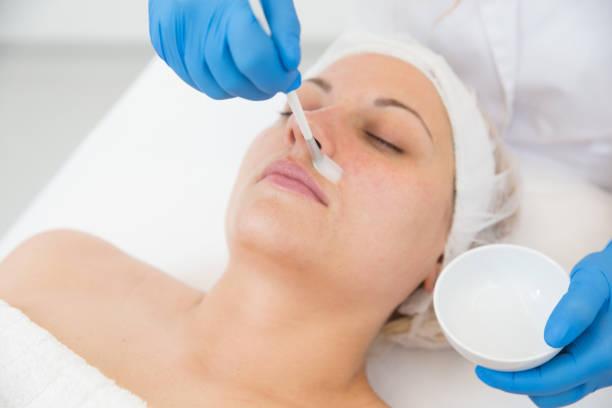
The hands and décolletage often show signs of sun exposure earlier than people expect. Uneven pigmentation, rough texture, fine lines, and scattered brown spots can gradually develop after years of ultraviolet exposure. A Chemical Peel in Dubai may help improve selected superficial concerns by encouraging controlled exfoliation and supporting the skin’s natural renewal process.
These areas require a thoughtful approach because their skin can be delicate and frequently exposed to sunlight. Treatment should be selected according to skin condition, pigmentation history, sensitivity, and the depth of visible damage rather than applying the same formulation used on the face.
Why Sun Damage Appears on the Hands and Décolletage
The backs of the hands and the upper chest receive repeated sun exposure during everyday activities. Driving, walking outdoors, sitting near windows, and wearing clothing that leaves the upper chest exposed can contribute to cumulative ultraviolet damage.
Over time, this exposure may affect the appearance and structure of the skin.
Common visible changes include:
-
Solar lentigines: Flat brown spots associated with long-term sun exposure.
-
Uneven pigmentation: Areas of darker or lighter colour that make the skin tone look inconsistent.
-
Rough texture: A less smooth surface caused by accumulated dead skin cells and photoageing.
-
Fine lines: Small creases that become more noticeable as the skin changes with age and environmental exposure.
-
Dryness: A rough or dull appearance that may become more apparent in frequently exposed areas.
Not every brown or rough patch is a cosmetic concern. A changing, bleeding, irregular, or non-healing spot should be examined by a dermatologist before any aesthetic treatment is considered.
How a Chemical Peel in Dubai Addresses Sun-Exposed Skin
A chemical peel uses a carefully selected acid formulation to loosen the bonds between surface skin cells. This process helps remove accumulated dead cells and encourages the skin to renew its outer layer.
Depending on the formulation and treatment depth, a peel may help improve superficial discoloration, uneven texture, and dullness. It does not remove every form of sun damage, and results depend on the nature of the concern.
Chemical Peel in Dubai for Uneven Pigmentation
Some superficial pigmentation develops within the epidermis, the outer layer of the skin. A suitable peel may help reduce the appearance of selected surface-level spots by promoting gradual exfoliation.
However, pigment can also extend into deeper skin layers. Deeper pigmentation may respond differently and may require another treatment approach. A clinical assessment helps determine whether a peel is appropriate.
Improving Rough Texture on the Hands
The backs of the hands can develop a coarse or uneven surface after years of environmental exposure. A professionally selected superficial peel may help smooth the outermost layer and improve the appearance of mild roughness.
Because the skin on the hands has different characteristics from facial skin, formulation strength and application technique should be adjusted accordingly.
Addressing Décolletage Photoageing
The décolletage includes the upper chest and neckline, where sun exposure can contribute to uneven tone, fine lines, and surface dryness. A targeted peel may improve selected superficial concerns, but the area should be treated conservatively to reduce the risk of irritation or unwanted pigmentation.
Choosing the Right Peel for Hands and Décolletage
There is no single acid formulation suitable for everyone. The choice depends on the skin's condition, the type of pigmentation, sensitivity, and the desired level of exfoliation.
| Peel consideration | Potential role |
|---|---|
| Glycolic acid | Supports exfoliation and may improve superficial roughness and uneven tone |
| Lactic acid | Provides exfoliation and may be considered for selected skin types needing a gentler approach |
| Mandelic acid | Offers a larger molecular structure and may be considered when a more gradual exfoliating approach is appropriate |
| Salicylic acid | Oil-soluble exfoliant, generally selected for particular concerns rather than every sun-damaged area |
The concentration, pH, contact time, and number of applications all influence treatment intensity. A higher concentration does not automatically mean a better result. The safest formulation is one matched to the patient's skin and clinical needs.
Read More: Frontline Hair Fixing in Dubai: The Role of Hairline Design
Preparing for a Chemical Peel in Dubai on Delicate Areas
Preparation helps the practitioner assess the skin and reduce avoidable irritation. The hands and décolletage should be examined for active inflammation, open wounds, recent sunburn, unusual lesions, and previous reactions to exfoliating products.
Before treatment, patients may be advised to:
-
Avoid tanning and intentional sun exposure.
-
Follow the clinician's instructions about retinoids and exfoliating products.
-
Use gentle skincare rather than introducing new active ingredients.
-
Disclose previous pigmentation problems or reactions to chemical peels.
-
Discuss medications and relevant skin conditions during consultation.
Do not stop prescribed medication without advice from the prescribing clinician.
Aftercare and Sun Protection Following a Chemical Peel in Dubai
Aftercare is particularly important because the treated areas are often exposed to daylight. Depending on the peel, temporary dryness, redness, tightness, or flaking may occur.
A suitable recovery routine may include:
-
Gentle cleansing without scrubbing.
-
Applying a clinician-recommended moisturiser.
-
Avoiding exfoliating acids and retinoids until the skin has recovered and the clinician approves their use.
-
Applying broad-spectrum SPF 50+ to exposed areas.
-
Reapplying sunscreen as directed, particularly during prolonged outdoor activity.
-
Wearing protective clothing when practical.
Patients should not pick or pull at peeling skin. Removing flakes prematurely can increase irritation and may contribute to post-inflammatory hyperpigmentation.
Clinic Note
A targeted peel may improve selected superficial signs of sun damage, but it is not a substitute for a skin examination. Persistent, changing, bleeding, or unusual spots should be assessed before cosmetic treatment. The hands and décolletage also need consistent sun protection to help maintain any improvement.
Frequently Asked Questions
Can a Chemical Peel in Dubai remove brown spots on the hands?
A suitable peel may improve some superficial pigmentation. However, not all brown spots are the same, and deeper or suspicious lesions need professional assessment before treatment.
Is the décolletage suitable for chemical peeling?
It may be suitable for selected superficial treatments, depending on skin condition and sensitivity. The area often requires a conservative formulation and careful aftercare.
How many peel sessions may be needed?
The number varies according to pigmentation depth, skin response, formulation, and treatment goals. A practitioner can recommend a suitable schedule after examining the skin.
Can I return to normal activities after treatment?
Many superficial peels involve limited interruption to daily activities, although temporary redness, dryness, or flaking may occur. Recovery depends on treatment depth and individual skin response.
Does a chemical peel prevent future sun damage?
No. A peel does not prevent new sun damage. Consistent sunscreen use, protective clothing, and sensible sun exposure habits remain essential.
Discussing Targeted Skin Rejuvenation at Tajmeels Clinic
Improving the appearance of sun-exposed hands and décolletage begins with understanding the type and depth of visible skin changes. Tajmeels Clinic offers an opportunity to discuss suitable aesthetic options through an individual skin assessment and treatment plan. A carefully selected Chemical Peel in Dubai may be considered when superficial pigmentation and texture concerns are appropriate for this approach.
 Dutch
 English
 Arabic
 French
 Spanish
 Portuguese
 Deutsch
 Turkish
 Italiano
 Russian
 Romaian
 Portuguese (Brazil)
 Greek