


What Packaging Possibilities Does Polyolefin Shrink Film Offer?
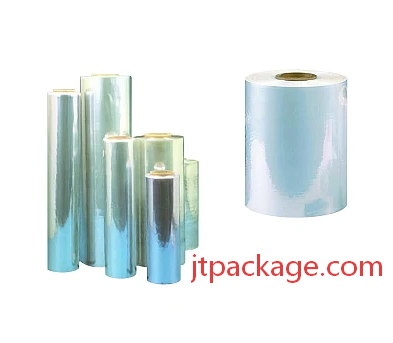
Choosing suitable packaging materials involves more than wrapping products for transportation. Businesses also consider product visibility, handling convenience, packaging efficiency, and overall presentation. Polyolefin Shrink Film offers a versatile approach to these requirements, while jtpackage provides packaging solutions for businesses seeking materials that accommodate different product types and packaging processes. Its flexible characteristics make it relevant to manufacturers, wholesalers, retailers, and other businesses with diverse packaging needs.
An important feature of this material is its ability to form around products through controlled heating. As the film shrinks, it follows the shape of the packaged item, creating a close-fitting outer layer. This characteristic allows businesses to package products with different outlines while maintaining a tidy appearance. Whether used for individual items or grouped merchandise, the material supports a range of packaging arrangements.
Transparency is another reason businesses consider this type of film. Clear packaging allows the contents to remain visible, making it easier for customers to recognize products without removing their outer wrapping. This is particularly useful in retail environments, where visual presentation plays a meaningful role in product communication. A transparent covering can also help maintain an organized appearance when several items are packaged together.
Packaging requirements differ between industries and product categories. Food-related packaging, household goods, stationery, personal care products, and various consumer items may all involve different wrapping considerations. Selecting an appropriate film requires attention to the product's dimensions, shape, packaging environment, and intended distribution method. Understanding these factors helps businesses choose materials that correspond with their actual applications.
The compatibility between packaging materials and machinery should also receive attention. Production facilities may use different sealing equipment, heating systems, and wrapping arrangements. Before selecting a film, businesses should evaluate its shrink behavior, sealing characteristics, thickness, and suitability for their existing equipment. Proper coordination between material specifications and production conditions can contribute to a more consistent packaging process.
Another consideration is how packaged products are handled after leaving the production facility. During storage, transportation, and distribution, products may experience repeated movement and contact with surrounding items. A properly applied film layer can help keep products grouped and provide an additional covering against dust and ordinary handling contact. For businesses distributing product combinations, this can support a more orderly arrangement throughout the supply chain.
Appearance and functionality should work together rather than compete with each other. Packaging needs to complement the product while remaining practical for employees and customers. Businesses may prefer different film specifications depending on whether their priorities involve product visibility, wrapping flexibility, sealing performance, or compatibility with automated packaging equipment.
Supplier communication is an important part of this selection process. Buyers should clearly describe their product types, packaging machinery, application requirements, and purchasing expectations. These details allow suppliers to provide relevant product information and help businesses compare available options. A clear understanding of material characteristics can also make future packaging adjustments easier when product lines or operational requirements change.
As product markets develop, packaging decisions increasingly involve balancing practical production needs with customer-facing presentation. Flexible wrapping materials offer businesses an adaptable way to approach these challenges. By considering material properties alongside equipment compatibility and product requirements, companies can develop packaging arrangements that suit their individual operations.
Every package represents a connection between the manufacturer and the person receiving the product. Its appearance, structure, and convenience all contribute to that experience. Taking time to evaluate packaging materials can therefore become a meaningful part of product planning.
Give your next packaging project a new starting point. Visit https://www.jtpackage.com/product/ and browse the available packaging solutions. Take a closer look at the product possibilities, explore the information behind different materials, and let your next packaging decision begin with a little curiosity.
 Dutch
 English
 Arabic
 French
 Spanish
 Portuguese
 Deutsch
 Turkish
 Italiano
 Russian
 Romaian
 Portuguese (Brazil)
 Greek