


Gluteal Projection | Non-Surgical Butt Lift in Dubai
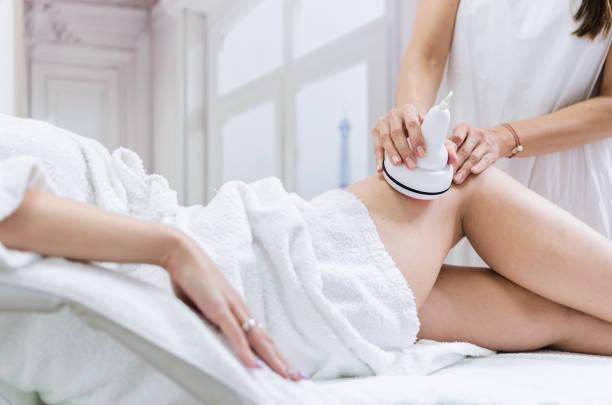
A Non-Surgical Butt Lift in Dubai is not simply about increasing buttock volume. Treatment planning also considers where fullness is most noticeable, how the upper and lower portions relate to one another, and whether the overall silhouette looks balanced. Upper-pole projection and lower-pole rounding describe different aspects of gluteal contour, and understanding the distinction can help patients communicate their aesthetic goals more clearly.
The ideal shape varies according to anatomy, tissue distribution, skin quality and personal preference. A treatment approach that suits one patient may not be appropriate for another. The aim of a consultation is therefore to identify realistic improvements rather than pursue a standardized body shape.
Understanding Upper-Pole Projection in a Non-Surgical Butt Lift in Dubai
The upper pole refers to the upper portion of the buttock. Its contour contributes to the transition between the lower back, hips and gluteal region.
What Creates Upper-Buttock Fullness?
Upper-pole appearance is influenced by several factors:
-
Natural fat distribution.
-
Gluteal muscle development.
-
Pelvic and hip anatomy.
-
Skin elasticity and connective tissue support.
-
Changes in body weight and ageing.
Some patients describe a flatter upper contour or a less defined transition between the waist and buttocks. Others may have naturally fuller upper gluteal areas and prefer to preserve their existing proportions.
Why Projection Should Match the Body's Proportions
Adding fullness to the upper portion without considering the waist, hips and lower gluteal contour may create an unbalanced appearance. A specialist should assess the body from multiple angles and discuss what level of change is realistic.
A non-surgical injectable treatment may offer limited contour enhancement in selected patients, but it cannot reliably reproduce the structural changes of surgery or exercise-related muscle development.
Understanding Lower-Pole Rounding
The lower pole refers to the lower portion of the buttock, near the transition towards the sub-gluteal fold. Its shape contributes to the appearance of the posterior silhouette.
Factors That Influence Lower-Gluteal Shape
Lower-pole contour may be influenced by:
-
The amount and distribution of underlying soft tissue.
-
Skin laxity.
-
The natural position of the sub-gluteal fold.
-
Weight fluctuations.
-
Age-related changes.
-
Individual connective tissue anatomy.
A patient who wants more lower-pole fullness may have a different concern from someone seeking an upper contour adjustment. These goals should be evaluated separately during consultation.
The Importance of the Sub-Gluteal Fold
The crease beneath the buttock is a natural anatomical feature. Its appearance is influenced by tissue attachments and the distribution of surrounding soft tissue. It should not be treated as a simple line that can always be lifted or reshaped through injections.
A specialist must determine whether the concern relates to volume, skin quality, natural anatomy or more significant tissue laxity.
Comparing Upper-Pole Projection and Lower-Pole Rounding
Although both concerns relate to gluteal shape, they describe different aesthetic priorities.
| Feature | Upper-pole projection | Lower-pole rounding |
|---|---|---|
| Main area | Upper buttock | Lower buttock |
| Visual focus | Upper contour and waist transition | Lower contour and gluteal fullness |
| Common concern | A flatter upper appearance | Reduced fullness in the lower portion |
| Planning priority | Overall upper-body and hip proportions | Lower contour and fold anatomy |
The table describes aesthetic concepts rather than guaranteed treatment outcomes. Actual results depend on the patient's anatomy and the treatment selected.
How a Specialist Customizes Gluteal Contour
A personalized plan begins with an assessment of the entire region rather than focusing on a single isolated area.
Evaluating the Starting Shape
The specialist may examine the buttocks while standing and consider how the contour changes with posture and movement. The assessment may include skin quality, tissue thickness, asymmetry and previous cosmetic procedures.
Consent-based photographs can help document the starting appearance and support realistic comparisons during follow-up.
Matching Treatment to the Concern
Different concerns may require different approaches. A patient with mild volume deficiency may be assessed for an appropriate injectable option, while someone with significant sagging may need a surgical consultation.
The clinician should explain the intended use and regulatory status of any proposed injectable product. Not every filler or collagen biostimulator is suitable or authorised for buttock enhancement.
Avoiding Excessive Volume
A larger volume does not necessarily mean a more attractive or balanced contour. Overcorrection may produce irregularities, unwanted fullness or an unnatural transition between treated and untreated areas.
Treatment decisions should prioritize safety, proportion and the patient's actual anatomy.
Can Non-Surgical Treatment Address Both Areas?
Some patients ask whether one treatment plan can improve upper-pole projection and lower-pole rounding together. The answer depends on the available product, the treatment indication, tissue characteristics and clinical suitability.
A non-surgical approach may offer selected patients a modest contour improvement. It is not a substitute for significant tissue repositioning, substantial volume restoration or muscle development.
Patients should also understand that collagen-stimulating treatments generally develop gradually, while other injectable materials may have different onset and duration characteristics.
Setting Realistic Expectations
A consultation should establish what a treatment can reasonably achieve and what it cannot. The specialist should discuss possible swelling, bruising, irregularities, nodules, infection and other product- or procedure-related risks.
Patients should be cautious of promises of dramatic projection, permanent rounding or identical results across different body types.
Clinic Note
Upper-pole projection and lower-pole rounding are different contour goals. A balanced treatment plan begins with an anatomical assessment and should never rely on adding volume without considering the surrounding proportions.
FAQs About Gluteal Contour Customization
What is upper-pole projection?
It describes the fullness and outward contour of the upper portion of the buttock, particularly where it transitions towards the hips and lower back.
What does lower-pole rounding mean?
It refers to the fullness and curved appearance of the lower portion of the buttock, near the natural sub-gluteal fold.
Can a Non-Surgical Butt Lift in Dubai improve both areas?
Selected patients may be assessed for contour improvement in more than one area. Suitability depends on anatomy, product indication and the specialist's treatment plan.
Does more injectable product create better projection?
No. Excessive treatment may increase the risk of irregularities and disproportionate fullness. Product amount should be determined by a qualified clinician.
Is a non-surgical approach suitable for significant sagging?
Not necessarily. Patients with substantial skin excess or tissue descent may need a surgical assessment to understand their options.
Personalized Contour Planning at Tajmeels Clinic
At Tajmeels Clinic, patients considering a Non-Surgical Butt Lift in Dubai can discuss their preferred shape and undergo an assessment of their existing proportions. A qualified specialist can explain suitable options, expected limitations and potential risks so that treatment decisions are based on individual anatomy rather than a standard contour template.

 English
 Arabic
 Spanish
 Portuguese
 Deutsch
 Turkish
 Dutch
 Italiano
 Russian
 Romaian
 Portuguese (Brazil)
 Greek