


The Art Behind Handcrafted Gold Jewelry Making
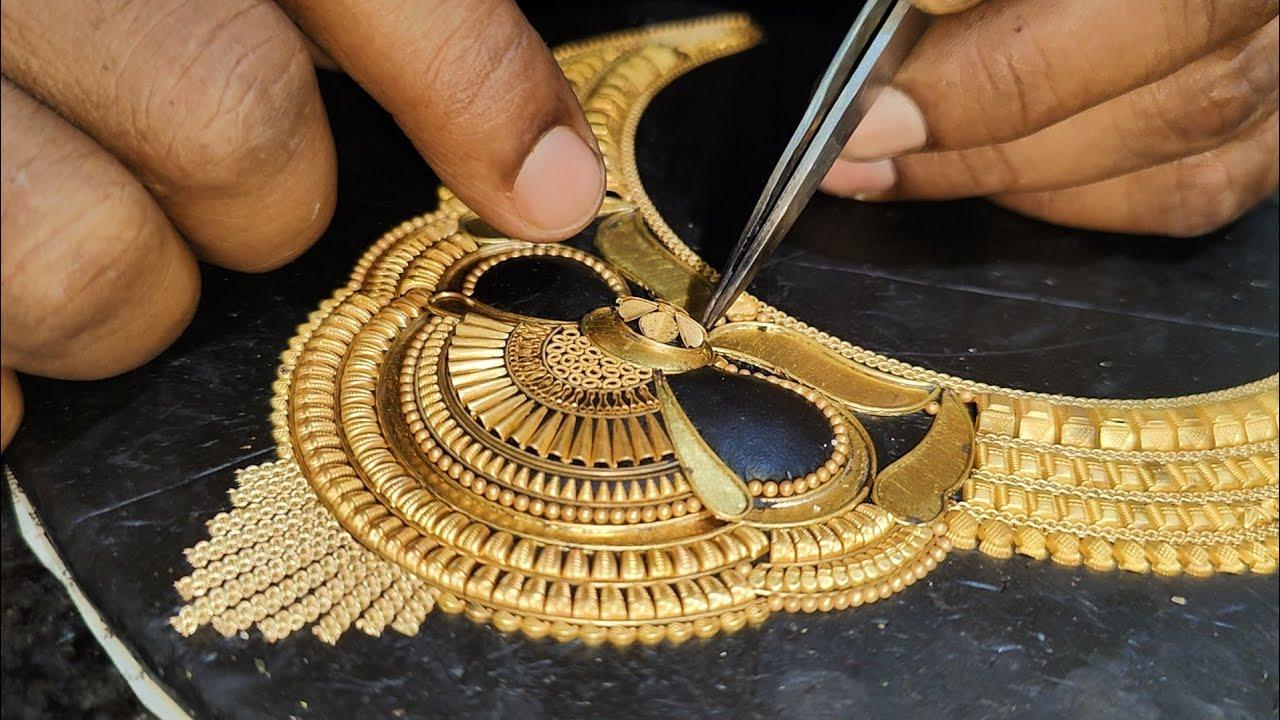
The world of fine jewelry has always been a blend of artistry, tradition, and precision. Among its many forms, handcrafted gold jewelry stands out as a timeless expression of human creativity and skill. Unlike mass-produced pieces, each handcrafted item carries a unique story shaped by the hands of an artisan. From the careful selection of gold to the final polishing touch, every step reflects dedication and mastery.
In an age dominated by machines and automated production, the appreciation for handmade craftsmanship has grown significantly. People are increasingly drawn to pieces that feel personal, meaningful, and enduring.
This renewed interest highlights not just the beauty of the final product but also the intricate process behind it. Understanding how these pieces come to life allows us to appreciate the depth of artistry involved in their creation.
The History and Evolution of Gold Craftsmanship
Gold has been cherished by civilizations for thousands of years, symbolizing wealth, power, and spiritual significance. Ancient cultures such as the Egyptians, Greeks, and Indus Valley civilizations developed early techniques of shaping and decorating gold into ornaments, coins, and ceremonial objects. These early artisans laid the foundation for what would eventually evolve into modern jewelry making.
Over time, techniques became more refined, and tools more specialized. Despite technological advancements, the essence of traditional craftsmanship has remained alive in many cultures. Today, handcrafted gold jewelry continues to draw inspiration from these ancient methods, blending heritage with contemporary design. Artisans often study historical patterns and motifs, reinterpreting them for modern tastes while preserving their cultural essence.
This continuity between past and present is what gives handcrafted pieces their enduring appeal. They are not just accessories but living artifacts that carry forward centuries of artistic evolution.
Materials, Tools, and Techniques
The creation of fine gold jewelry begins with selecting the right materials. Gold, in its pure form, is too soft for everyday wear, so it is usually alloyed with other metals such as silver, copper, or palladium. This enhances durability while also allowing variations in color, such as white gold or rose gold.
Artisans working on handcrafted gold jewelry rely on a combination of traditional tools and modern precision instruments. Hammers, files, engraving tools, and soldering equipment are commonly used in workshops. Despite the availability of advanced machinery, many steps are still performed manually to maintain authenticity and detail.
Techniques such as casting, engraving, filigree, and stone setting require years of practice to master. Filigree work, for example, involves twisting fine threads of gold into intricate lace-like patterns, demanding extraordinary patience and control. Engraving adds depth and personality to each piece, allowing artisans to embed unique designs or personal messages.
Each stage of the process is deliberate and precise. Even a small mistake can affect the integrity of the final piece, which is why craftsmanship plays such a crucial role in ensuring quality and beauty.
Design Philosophy and Artistic Expression
Design is the soul of jewelry making. Before any physical work begins, artisans often spend considerable time sketching ideas and conceptualizing forms. Inspiration can come from nature, architecture, emotions, or cultural heritage. The goal is to create something that not only looks beautiful but also carries meaning.
In handcrafted gold jewelry, design is never purely mechanical. It is a reflection of the artisan’s imagination and emotional connection to their work. Each curve, texture, and detail is carefully considered to achieve balance and harmony. Unlike machine-made pieces, no two handcrafted designs are ever truly identical, which adds to their exclusivity.
Color combinations, gemstone placement, and surface finishes are all part of the artistic decision-making process. Some designers prefer minimalistic elegance, while others embrace elaborate, intricate patterns. Regardless of style, the underlying philosophy remains the same: to create wearable art that resonates with the wearer on a personal level.
The Human Touch in Modern Jewelry Making
One of the most distinctive aspects of handcrafted pieces is the human touch involved in every stage of production. Machines may offer precision and speed, but they cannot replicate intuition, emotion, or artistic judgment. This is where handcrafted work excels.
In handcrafted gold jewelry, artisans often develop a deep connection with each piece they create. Hours of careful labor go into shaping, refining, and perfecting every detail. This dedication ensures that each item is not only visually stunning but also structurally sound and meaningful.
The imperfections found in handmade items are not flaws but signatures of authenticity. They serve as reminders that a real person, not a machine, brought the piece into existence. This human element adds warmth and individuality, making each creation truly one of a kind.
Why Handmade Pieces Stand Apart
In a market filled with mass-produced accessories, handmade jewelry holds a special place. Its value lies not only in the materials used but also in the craftsmanship behind it. Buyers are increasingly seeking items that reflect individuality and tell a story.
Handcrafted gold jewelry offers exactly that. It represents a fusion of skill, tradition, and creativity that cannot be replicated on a production line. Each piece carries with it hours of dedication, artistic vision, and cultural influence. This makes it more than just an ornament—it becomes a personal treasure.
Moreover, handmade jewelry often allows for customization. Clients can collaborate with artisans to design pieces that reflect their personality, memories, or milestones. This level of personalization further enhances its emotional and aesthetic value.
Conclusion
The art of jewelry making is a testament to human creativity and patience. From ancient civilizations to modern workshops, the tradition has evolved while maintaining its core essence. Handcrafted gold jewelry continues to symbolize elegance, individuality, and timeless beauty.
Every piece tells a story—of the artisan who shaped it, the inspiration behind its design, and the wearer who gives it life. In a world increasingly driven by automation, these handcrafted creations remind us of the enduring power of human artistry and the beauty of things made with care, intention, and passion.

 English
 French
 Spanish
 Portuguese
 Deutsch
 Turkish
 Dutch
Dutch
 Italiano
 Russian
 Romaian
 Portuguese (Brazil)
 Greek
Greek