


Exploring the World of Massive Multiplayer Online Games: Features, Impact, and Future
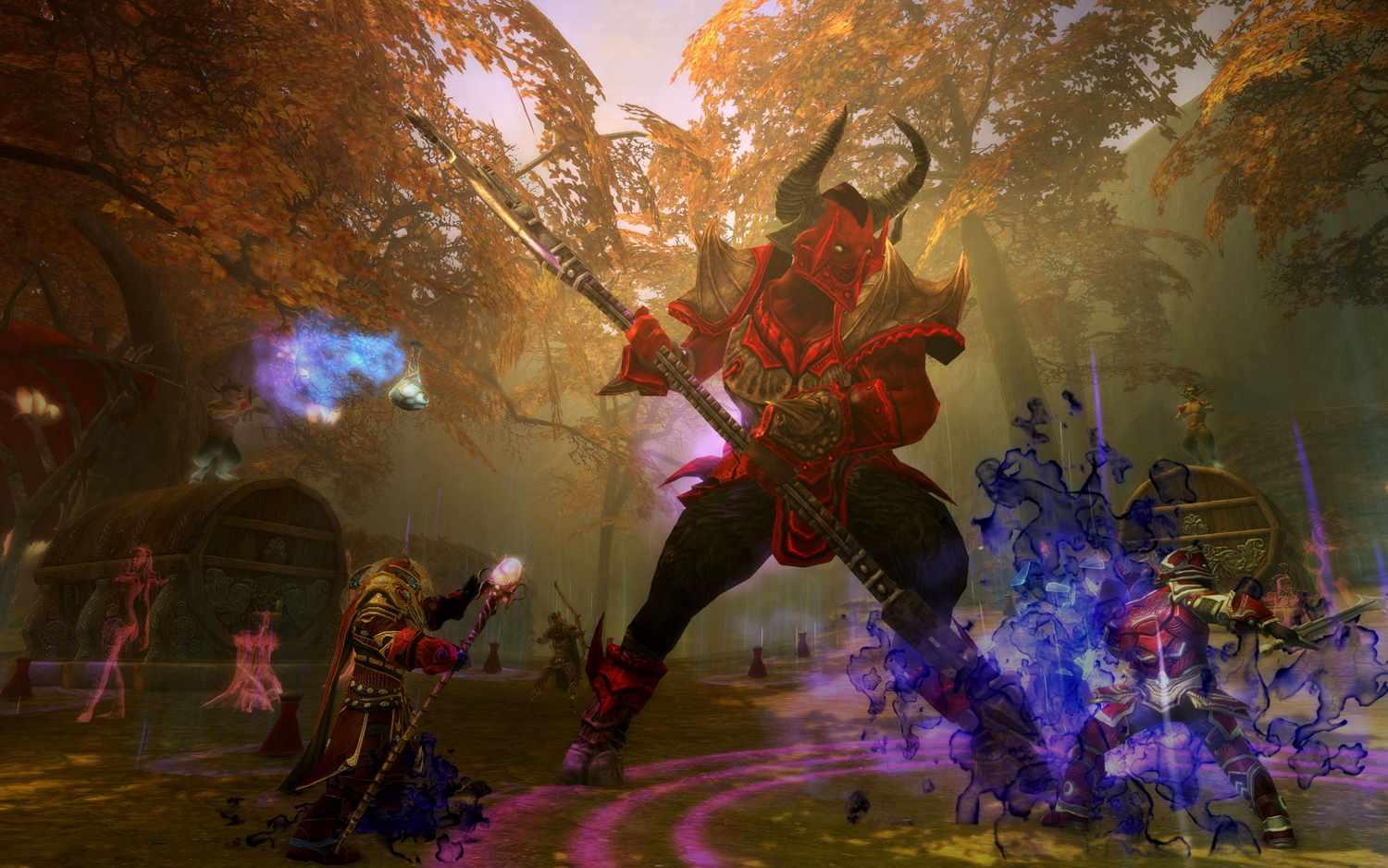
Massive Multiplayer Online Games (MMOs) are online video games that connect thousands to millions of players worldwide in a shared virtual universe. These games are designed to foster social interaction, collaboration, competition, and community building. Players create their own avatars, explore expansive worlds, complete quests, and participate in dynamic events. MMOs often feature complex economies, player-driven politics, and ongoing content updates that keep the game world alive and engaging. They appeal to a broad demographic, from casual gamers to dedicated enthusiasts. The success of MMOs relies heavily on their ability to offer a seamless, immersive experience and maintain active player engagement over extended periods. As technology advances, MMOs continue to evolve, integrating new features like virtual reality and blockchain, shaping the future landscape of online gaming.
Core Features that Define MMO Games
MMOs are characterized by large-scale worlds, persistent environments, and massive player bases. They typically include multiplayer interactions, social features such as chat and guilds, and complex progression systems. Players can engage in combat, crafting, trading, and building alliances, often influencing the game world collectively. Many MMOs have expansive lore and storylines that deepen player immersion, with regular updates introducing new content. PvP (player versus player) combat and PvE (player versus environment) quests are common gameplay elements. Additionally, in-game economies and virtual marketplaces enable trading of items and currency. These features foster continuous engagement and community development. The technical infrastructure—servers, matchmaking, and anti-cheat systems—ensures a stable, fair, and secure gaming environment, crucial for sustaining large player populations.
Popular Examples and Their Unique Features
World of Warcraft, RuneScape, and EVE Online are among the most popular MMOs, each with unique features that appeal to different audiences. World of Warcraft is known for its rich lore, extensive questlines, and social guild system, creating a fantasy universe that has captivated millions. RuneScape offers a more casual experience with accessible gameplay and a friendly community, appealing to newcomers. EVE Online stands out with its complex player-driven economy, space warfare, and political intrigue, attracting strategic thinkers. Other notable titles include Final Fantasy XIV and The Elder Scrolls Online, which offer immersive storytelling and high-quality graphics. These games regularly release expansions, new content, and updates, keeping the communities engaged. Their success showcases diverse gameplay styles, from casual to hardcore, emphasizing different aspects of social interaction and strategic gameplay.
Impact of MMOs on Society and Culture
MMOs have significantly influenced modern society by creating virtual communities that transcend geographical boundaries. They promote social interaction, teamwork, and cultural exchange among players worldwide. Many players form lifelong friendships, collaborate in real-time, and participate in large-scale virtual events. Economically, MMOs generate billions through subscriptions, in-game purchases, and merchandise, influencing digital economies and marketing. They also impact entertainment and storytelling, inspiring movies, books, and esports tournaments. However, concerns include addiction, social isolation, and cyberbullying, which require ongoing attention from developers and communities. MMOs also serve educational and professional purposes, such as virtual training and collaborative projects. Overall, these games shape contemporary culture by blending entertainment, socialization, and economic activity, creating new paradigms of interaction and engagement.
The Future of MMO Games: Trends and Innovations
The future of MMO games is poised for exciting innovations driven by advancing technology. Virtual reality (VR) integration promises more immersive experiences, allowing players to physically interact within the game world. Artificial intelligence (AI) will enhance NPC interactions, creating more realistic and dynamic environments. Blockchain technology offers potential for true ownership of in-game assets, enabling players to trade and sell items securely outside the game. Cloud gaming will eliminate hardware limitations, providing seamless access to high-quality games on various devices. Additionally, increased emphasis on cross-platform play will unite players regardless of their device. Developers are exploring augmented reality (AR), social integration, and personalized content to enhance user engagement. As these trends emerge, MMOs will become even more immersive, social, and accessible, shaping the next era of online multiplayer gaming that combines technology, storytelling, and community.

 English
 Arabic
 Spanish
 Portuguese
 Deutsch
 Turkish
 Dutch
Dutch
 Italiano
 Russian
 Romaian
 Portuguese (Brazil)
 Greek
Greek