


How to Care for Your Ears After Otoplasty in Islamabad
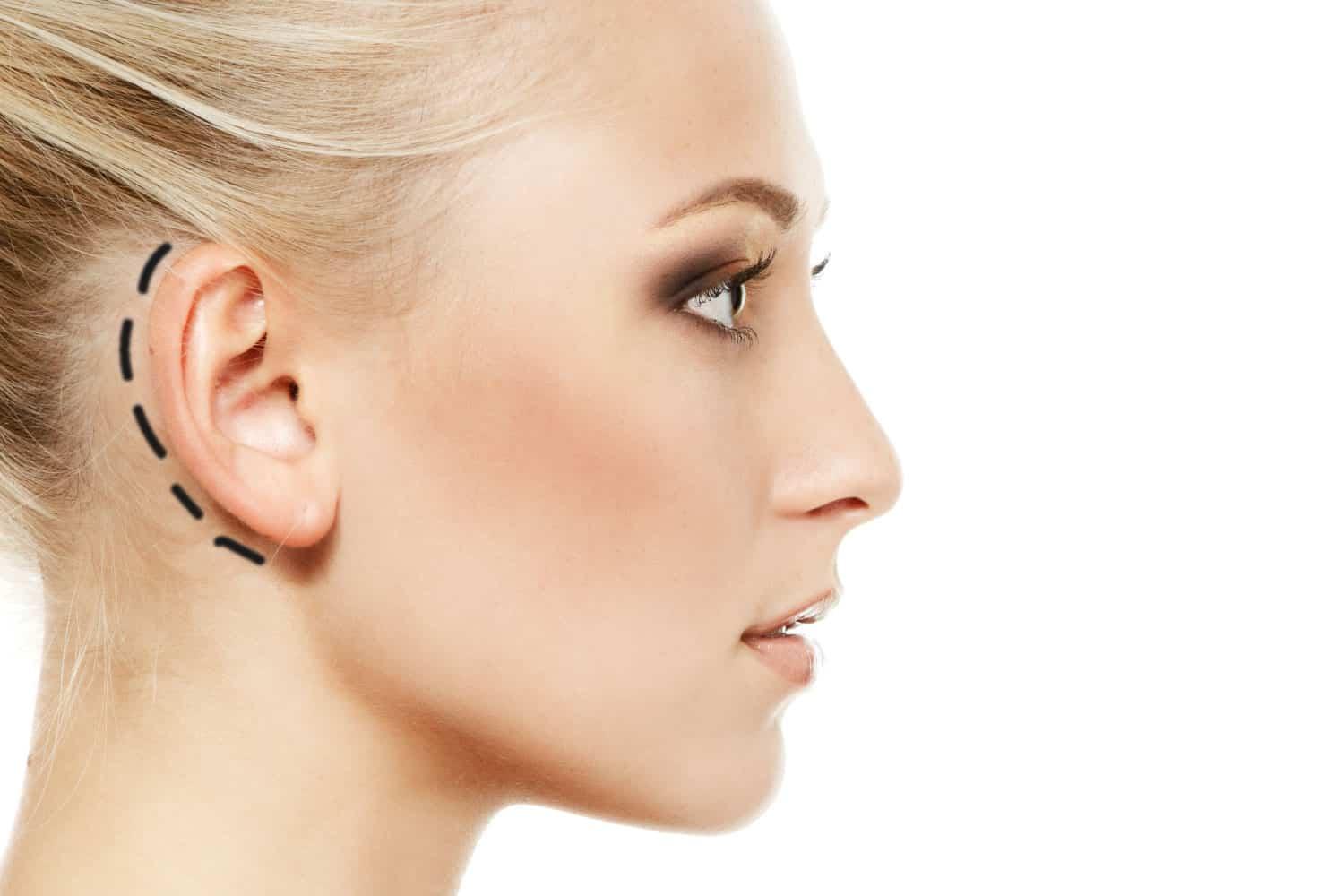
Otoplasty, also known as ear reshaping or ear pinning surgery, is a cosmetic procedure designed to improve ear shape, position, and symmetry. While the surgery provides immediate structural correction, proper aftercare is essential to ensure smooth healing and long-lasting results.
For patients undergoing Otoplasty in Islamabad, post-operative ear care plays a crucial role in reducing complications, speeding up recovery, and achieving natural-looking outcomes. The ears are delicate after surgery and require careful handling during the healing phase.
This guide explains how to properly care for your ears after otoplasty, including essential hygiene practices, protection tips, recovery stages, and long-term care advice.
Understanding Post-Otoplasty Ear Care
After otoplasty, the ears undergo a healing process involving cartilage stabilization, skin recovery, and internal tissue repair. During this period, even minor pressure or improper care can affect results.
Proper ear care helps:
- Maintain surgical results
- Reduce swelling and discomfort
- Prevent infection
- Support faster healing
- Ensure long-term stability
Consistency in aftercare is key to achieving the best outcome.
1. Keep the Head Elevated
Head elevation is one of the simplest and most effective care practices after surgery.
Why It Helps
- Reduces swelling
- Improves blood circulation
- Minimizes pressure on ears
- Supports faster healing
How to Do It
- Sleep with two or more pillows
- Avoid lying flat for long hours
- Keep head slightly raised during rest
This is especially important during the first week.
2. Protect Ears from Pressure
The ears are highly sensitive after otoplasty and must be protected from any external pressure.
What to Avoid
- Sleeping on side
- Leaning ears against surfaces
- Tight headwear
- Accidental rubbing or touching
Why It Matters
Pressure can:
- Disrupt healing cartilage
- Affect ear symmetry
- Increase discomfort
Protection ensures stable and proper healing.
3. Follow Dressing Instructions Carefully
Dressings are applied after surgery to support healing and maintain ear position.
Importance of Dressings
- Stabilize ear shape
- Protect from external injury
- Reduce swelling
- Support healing tissues
Care Tips
- Keep dressings clean and dry
- Do not remove unless instructed
- Attend follow-up visits for adjustments
Proper dressing care is essential for maintaining results.
4. Use a Protective Headband if Recommended
A soft headband is often prescribed after otoplasty.
Purpose
- Maintains ear position
- Prevents accidental movement
- Protects during sleep
- Supports cartilage healing
Usage Guidelines
- Wear as directed by surgeon
- Usually required for several weeks
- Ensure comfortable fit
This is a key part of recovery success.
5. Maintain Proper Ear Hygiene
Cleanliness is critical to prevent infection and promote healing.
Hygiene Practices
- Clean gently as instructed
- Avoid harsh scrubbing
- Keep ears dry when required
- Follow surgeon’s cleaning routine
Proper hygiene helps ensure smooth recovery.
6. Take Prescribed Medications on Time
Medications help manage pain and prevent infection.
Common Medications
- Pain relievers
- Antibiotics
- Anti-inflammatory drugs
Important Advice
- Take medications as scheduled
- Do not skip doses
- Complete full course if prescribed
This ensures comfortable and safe healing.
7. Avoid Physical Strain and Exercise
Physical activity should be limited during early recovery.
Activities to Avoid
- Gym workouts
- Running
- Sports
- Heavy lifting
Why It Matters
Strain can:
- Increase swelling
- Delay healing
- Risk ear injury
Gradual return to activity is recommended.
8. Avoid Touching or Manipulating Ears
Hands should be kept away from surgical areas.
Risks
- Infection
- Disruption of healing
- Delayed recovery
Allowing ears to heal undisturbed is essential.
9. Sleep Properly for Better Healing
Sleep position plays a major role in recovery.
Best Practices
- Sleep on back
- Use soft pillows
- Avoid side sleeping initially
Proper sleep positioning ensures protection of surgical results.
10. Stay Hydrated and Eat Nutritious Food
Nutrition supports faster tissue healing.
Recommended Foods
- Protein-rich meals
- Fresh fruits and vegetables
- Hydration with water
- Balanced diet
Healthy nutrition improves recovery speed and quality.
11. Avoid Smoking and Alcohol
Smoking and alcohol negatively impact healing.
Effects
- Reduced blood flow
- Delayed tissue repair
- Increased risk of complications
Avoiding them supports faster and better recovery.
12. Attend Follow-Up Appointments
Follow-ups are essential for monitoring healing progress.
Surgeon Evaluations
- Swelling reduction
- Ear symmetry
- Incision healing
- Overall recovery status
These visits ensure everything is healing correctly.
13. Be Patient with Healing Process
Healing after otoplasty is gradual.
Timeline Overview
- First improvement: 1–2 weeks
- Visible progress: 3–4 weeks
- Final results: 2–6 months
Patience is essential for optimal outcomes.
Signs of Proper Healing
You are healing well if:
- Swelling gradually reduces
- Pain decreases over time
- Ears remain stable
- No signs of infection
Warning Signs to Watch For
Contact your surgeon if you notice:
- Severe pain
- Excess swelling
- Fever
- Unusual discharge
- Sudden ear changes
Early attention ensures safety.
Long-Term Ear Care
After full recovery:
- Avoid trauma to ears
- Protect ears during sports
- Maintain general hygiene
- Attend periodic check-ups if needed
Long-term care preserves results.
Conclusion
Proper ear care after otoplasty in Islamabad is essential for achieving smooth healing, stable results, and natural-looking outcomes. While the surgery corrects ear shape and position, aftercare ensures long-term success and minimizes complications.
By following surgeon instructions, protecting ears from pressure, maintaining hygiene, and adopting healthy habits, patients can ensure a safe and effective recovery process. Consistency and patience are key to achieving the best results after otoplasty.
FAQs
How should I sleep after otoplasty?
Sleep on your back with head elevated to avoid pressure on ears.
When can I wash my ears after surgery?
Only as instructed by your surgeon during follow-up care.
Do I need to wear a headband?
Yes, in many cases a protective headband is recommended.
Can I touch my ears after surgery?
Avoid touching or rubbing ears during early recovery.
When can I return to exercise?
Light activity after a few weeks; strenuous exercise later as advised.
Is swelling normal after otoplasty?
Yes, mild swelling is expected and gradually decreases.
How long does full recovery take?
Full healing may take several months.
 Spanish
 English
 Arabic
 French
 Portuguese
 Deutsch
 Turkish
 Dutch
Dutch
 Italiano
 Russian
 Romaian
 Portuguese (Brazil)
 Greek
Greek