


How Zpgearmotor Helical Gear Motor Factory Improves Energy Efficiency in Modern Machinery
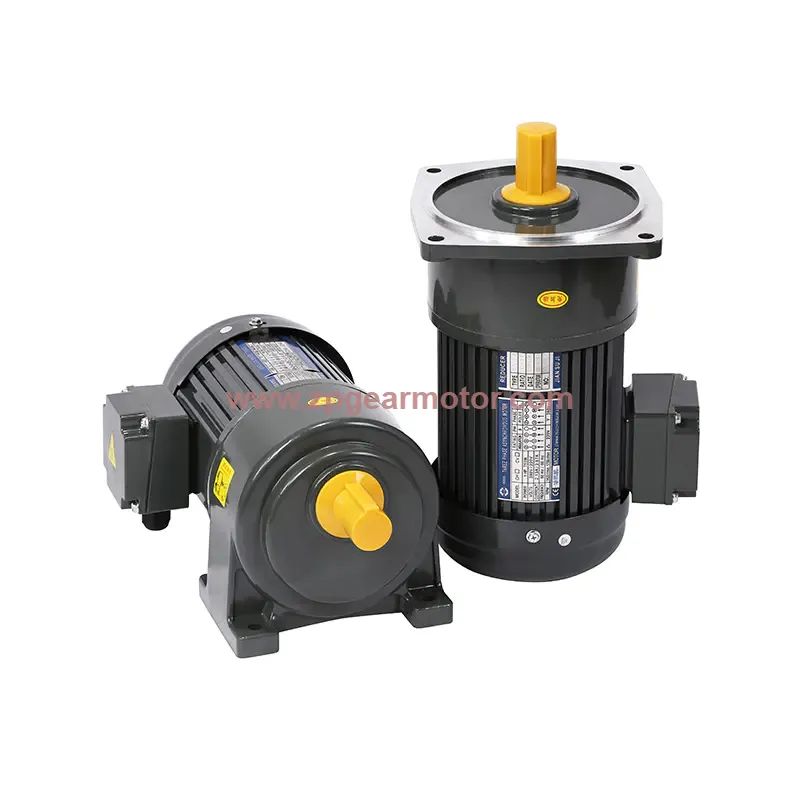
Modern industrial systems depend heavily on mechanical transmission efficiency, especially in environments where continuous operation defines productivity. A Helical Gear Motor Factory plays an essential role in shaping how energy is transferred, controlled, and optimized across different machinery structures. At zpgearmotor, engineering focus is placed on precision design and stable performance output, allowing industrial users to achieve consistent operational behavior across multiple applications. What factors truly influence energy performance in modern mechanical systems?
Energy efficiency in industrial machinery is not achieved by a single improvement but through the coordination of structural design, material selection, and transmission accuracy. Helical gear systems are widely applied due to their smooth engagement characteristics and reduced vibration levels. These mechanical advantages help reduce unnecessary energy loss during power transmission, making them suitable for continuous industrial operations such as conveyors, packaging lines, and material handling systems.
One of the primary contributors to efficiency is load distribution. Helical gear structures allow gradual tooth engagement, which helps distribute force more evenly compared with other transmission types. This reduces localized stress and supports smoother torque output. As a result, machinery can operate under stable conditions without excessive energy fluctuation, improving overall system consistency.
Another important factor is friction control. When mechanical components operate with optimized surface interaction, energy waste caused by heat generation is reduced. Precision machining and controlled assembly processes contribute to lower internal resistance, allowing more effective conversion of input power into mechanical motion. This directly supports long-term operational stability in industrial environments.
In addition, structural alignment plays a significant role in reducing inefficiency. Proper gear alignment minimizes unnecessary mechanical resistance and helps maintain smooth motion transmission. Even small deviations in installation or design can influence energy consumption patterns, which is why engineering accuracy is a central focus in manufacturing processes.
A modern industrial manufacturing environment also emphasizes system integration. Mechanical components are no longer evaluated individually but as part of a complete system. Transmission units must align with motor specifications, load requirements, and operational cycles. When all elements function in harmony, energy utilization becomes more balanced, reducing operational waste and improving system reliability.
The role of engineering customization is also significant. Different industries require different torque levels, mounting structures, and speed configurations. Flexibility in design allows machinery to match specific operational demands rather than relying on standardized solutions. This adaptability helps maintain efficiency across diverse industrial environments.
Manufacturing quality control further supports energy performance. Every production stage, from raw material inspection to final testing, contributes to the consistency of the final product. Stable manufacturing processes reduce variation, ensuring that each unit performs predictably under working conditions. This predictability is important for industries that rely on continuous operation without interruption.
In some advanced industrial applications, system optimization includes not only mechanical design but also operational strategy. Maintenance schedules, lubrication management, and load balancing all contribute to energy efficiency. When mechanical systems are properly maintained, friction and wear remain controlled, extending service life and reducing unnecessary power consumption.
Engineering knowledge accumulated through practical applications allows manufacturers to refine design approaches over time. Experience across different industrial sectors helps identify common inefficiency sources and develop solutions that address real operational challenges rather than theoretical models alone.
For further understanding of industrial transmission structure and its role in mechanical systems, readers may explore https://www.zpgearmotor.com/ where additional technical insights are available regarding gear motor applications in modern industrial environments. Through continuous engineering development and structured design improvement, industrial systems can achieve more balanced energy utilization while maintaining operational reliability across diverse application fields.
 Dutch
 English
 Arabic
 French
 Spanish
 Portuguese
 Deutsch
 Turkish
 Italiano
 Russian
 Romaian
 Portuguese (Brazil)
 Greek