


Insurance Agent Training: Building Long Term Business Growth
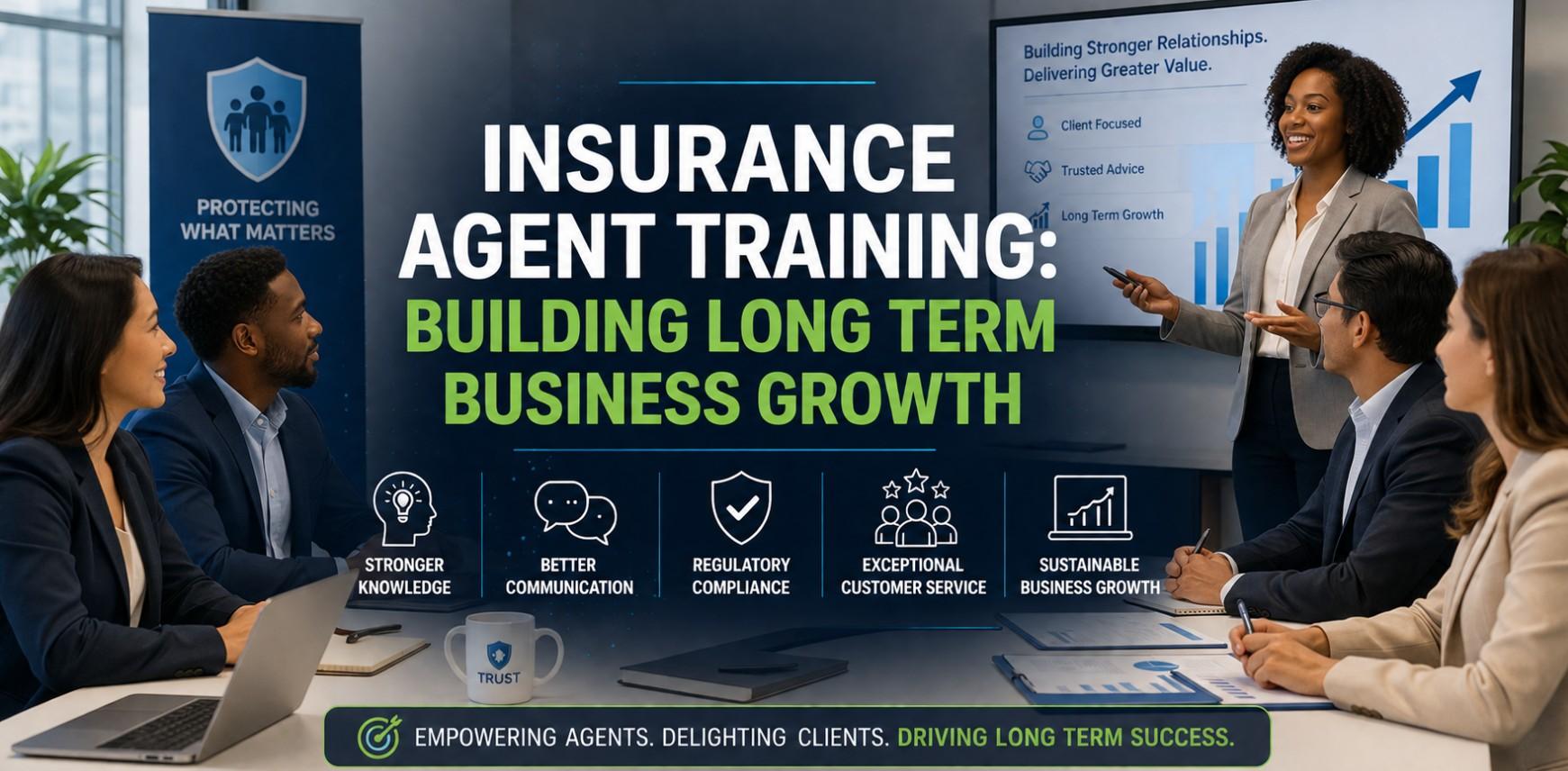
The insurance industry continues to evolve with changing customer expectations, digital transformation, and increasing regulatory requirements. As competition grows, insurance companies and agencies can no longer rely solely on product knowledge to drive success. The real competitive advantage comes from well trained insurance agents who understand customer needs, communicate effectively, and build lasting relationships.
Insurance agent training is no longer just an onboarding activity. It is an ongoing investment that helps agencies improve sales performance, strengthen compliance, and enhance customer satisfaction. For B2B organizations, a structured training program also creates consistency across teams, improves operational efficiency, and supports sustainable business growth.
Why Insurance Agent Training Matters
Insurance agents serve as the primary connection between an insurance company and its clients. Their expertise directly influences customer trust, policy retention, and revenue generation. Without proper training, agents may struggle to explain complex policies, address client concerns, or comply with industry regulations.
A comprehensive training program equips agents with the confidence and knowledge needed to deliver exceptional customer experiences. It also enables them to identify new business opportunities, cross sell relevant products, and maintain strong client relationships over time.
Organizations that prioritize continuous learning often experience improved productivity, higher employee engagement, and stronger business performance.
Core Components of an Effective Insurance Agent Training Program
A successful insurance agent training program should cover multiple areas that contribute to both technical expertise and professional development.
Product Knowledge
Insurance agents must have a deep understanding of the products they represent. This includes policy features, coverage limits, exclusions, pricing structures, and claim procedures. Comprehensive product knowledge allows agents to recommend solutions that align with each client's unique needs.
Regular product updates are equally important, especially when regulations or market offerings change.
Sales and Communication Skills
Strong communication is one of the most valuable skills an insurance agent can possess. Training should focus on active listening, consultative selling, objection handling, negotiation, and relationship building.
Rather than relying on aggressive sales tactics, successful agents focus on educating clients and providing personalized recommendations. This approach builds trust and encourages long term customer loyalty.
Regulatory Compliance
The insurance industry operates within strict legal and regulatory frameworks. Agents must understand licensing requirements, documentation standards, privacy regulations, and ethical business practices.
Ongoing compliance training reduces business risk while ensuring agents follow industry standards throughout the customer journey.
Customer Service Excellence
Outstanding customer service differentiates successful insurance providers from their competitors. Training should emphasize responsiveness, empathy, problem solving, and professional communication.
Clients who receive exceptional service are more likely to renew policies, refer new customers, and maintain long term business relationships.
Digital Skills
Technology continues to reshape the insurance landscape. Modern agents must be comfortable using customer relationship management platforms, digital policy management systems, virtual meeting tools, and online communication channels.
Digital training enables agents to work more efficiently while delivering a seamless customer experience.
Benefits of Continuous Insurance Agent Training
Many organizations view training as a one time investment. However, continuous learning delivers far greater long term value.
Well trained agents adapt more quickly to market changes and product updates. They become more confident in client interactions and are better prepared to address complex customer needs.
Continuous training also helps businesses improve employee retention. Agents who receive ongoing development opportunities often feel more valued and motivated, leading to stronger organizational commitment.
From a financial perspective, effective training contributes to higher conversion rates, increased policy renewals, reduced compliance issues, and stronger overall profitability.
Common Challenges in Insurance Agent Training
Despite its importance, many organizations face challenges when implementing training initiatives.
Time constraints often make it difficult for agents to balance learning with sales responsibilities. Companies can address this by offering flexible learning schedules and self paced digital courses.
Keeping training content current is another challenge. Insurance regulations, products, and market conditions evolve regularly, making periodic content updates essential.
Maintaining employee engagement can also be difficult if training relies solely on lengthy presentations. Interactive workshops, simulations, and collaborative learning activities help create a more engaging experience.
Conclusion
Insurance agent training is a strategic investment that delivers measurable business results. It strengthens product expertise, improves sales performance, supports regulatory compliance, and enhances customer satisfaction. More importantly, it empowers insurance professionals to build meaningful client relationships that drive long term business success.
For B2B insurance organizations, developing a culture of continuous learning is essential in today's rapidly changing marketplace. By investing in structured, practical, and ongoing training programs, companies can create high performing teams that consistently deliver value to clients while supporting sustainable business growth.
Frequently Asked Questions
1. Why is insurance agent training important?
Insurance agent training helps professionals improve product knowledge, communication skills, regulatory compliance, and customer service, leading to better sales performance and stronger client relationships.
2. How often should insurance agents receive training?
Training should be continuous. Regular updates ensure agents stay informed about new products, industry regulations, technology, and evolving customer expectations.
3. What skills should insurance agent training include?
An effective program should cover product knowledge, sales techniques, communication skills, customer service, compliance, digital tools, and relationship management.
4. How does insurance agent training benefit businesses?
Well trained agents improve customer satisfaction, increase policy renewals, reduce compliance risks, enhance operational efficiency, and contribute to long term revenue growth.

 English
 Arabic
 French
 Spanish
 Portuguese
 Turkish
 Dutch
Dutch
 Italiano
 Russian
 Romaian
 Portuguese (Brazil)
 Greek
Greek