


Eco-Friendly Custom Apparel Boxes for Sustainable Fashion
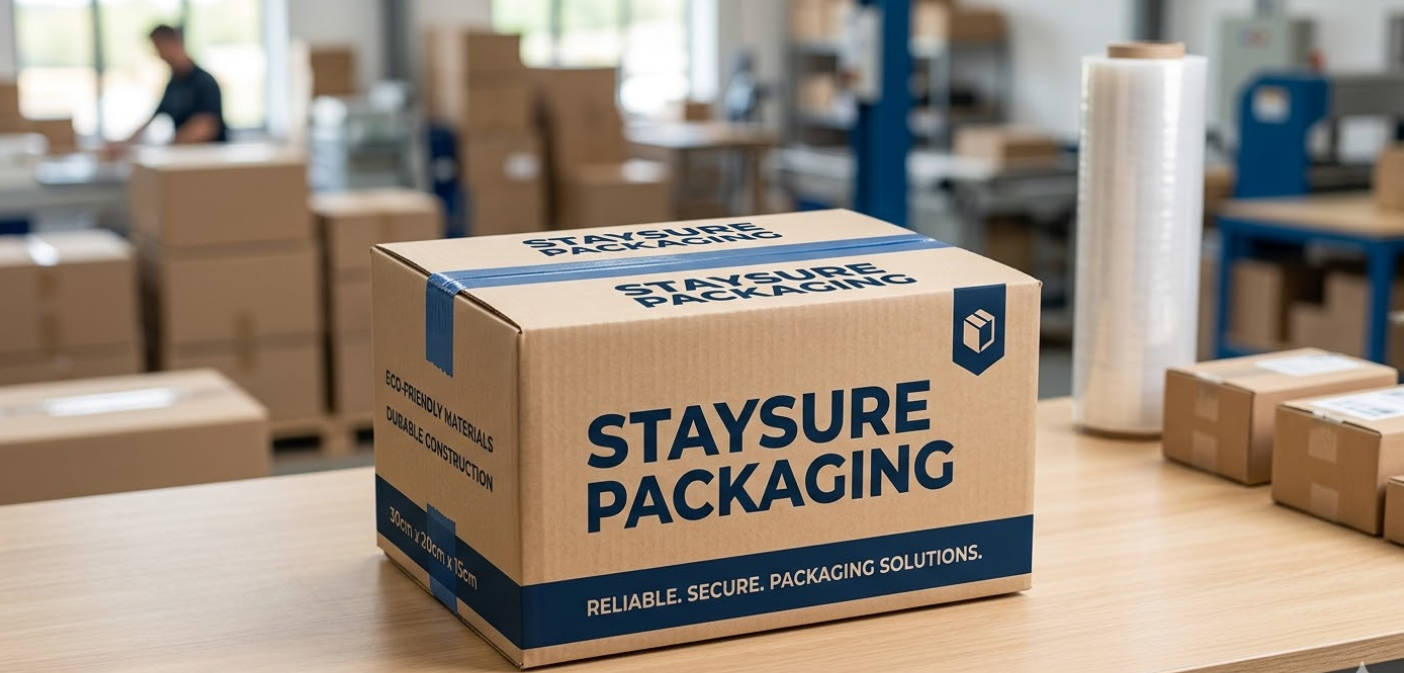
Packaging often gets overlooked, but it shapes how customers perceive a brand. In sustainable fashion, boxes are more than protection; they tell a story. When done with care, packaging reinforces values and builds trust.
Custom apparel boxes can highlight a brand’s ethics, from materials to finish. The right design keeps waste low while delivering a memorable unboxing experience. Read on to see practical steps and real-world examples you can apply.
Key Sustainability Principles for Packaging
Material choice sets the tone. Favor recycled, recyclable, and compostable options that fit your product needs. Minimalist design helps cut waste while keeping the box sturdy. Think about reuse and circularity from the first sketch to the final print.
Material selection: recycled, recyclable, and compostable options
Glass-like strength isn’t required for apparel boxes. Recycled paper and cardboard can be tough enough for shipping while saving virgin resources. Compostable coatings and plant-based films are improving, opening doors to greener finishes.
Minimalist design to reduce waste
Cutting unnecessary layers lowers weight and material use. Simple layouts also speed up production and reduce waste at the printer. Less ink means faster recycling for most facilities.
Reusability and circularity concepts
Think of the box as a starter for reuse. A simple sleeve, a fold-flat design, or a secondary purpose like a display box keeps the packaging out of landfills longer. Circular design invites customers to participate in the loop.
Common Eco-Friendly Materials for Apparel Boxes
Choosing materials that fit your brand and supply chain matters. Recycled content is widely available, but not all options perform the same. Look for durable, low-impact choices that still protect products during transit.
Recycled paper and cardboard
Many mills offer high-recycled-content stock with consistent strength. These options support waste reduction without sacrificing protection. A strong seam and lid ensure the box travels well.
Virgin fiber alternatives with low environmental impact
Some virgin fibers come from responsibly managed forests or have reduced energy footprints. These can be a good balance between performance and sustainability when certified.
Plant-based inks and coatings
Water-based or soy inks reduce volatile compounds. Coatings can be alternatives to plastic films, aiding recyclability and compostability where appropriate.
So-called “green” certifications to look for
Look for credible logos and certifications that match your materials and processes. Independent verification helps customers trust your claims and reduces confusion at the shelf.
Designing for Sustainability
Design should support both form and function. The goal is a box that protects the garment and easily fits into a recycling stream. Smart design reduces waste and enhances your storytelling at the same time.
Size optimization to reduce material use
Measure shipments carefully. A snug fit lowers void fill and cardboard weight. If you can ship multiple items in one box, you’ll cut waste and costs.
Print strategies that minimize ink and waste
Use one or two solid colors and avoid heavy textures. Simplified graphics save ink and speed up production. Clean, legible typography helps your message stand out.
Structural design for protection and recyclability
Interlocking folds and minimal glue provide strength without complicating disassembly. A design that’s easy to flatten aids recycling centers and consumer disposal.
Brand storytelling through sustainable visuals
Tell your sustainability story with color choices, textures, and messaging that reflect your brand. A thoughtful sleeve or insert can share your ongoing commitments without clutter.
Customization Ideas Without Sacrificing Eco-Friendliness
Customization can shine without adding waste. Focus on durable, recyclable finishes and smart details that invite reuse. Small touches can make a big impression while staying planet-friendly.
Limited color palettes and durable finishes
Pick a core palette and stick to it. Durable inks and coatings prevent chipping and extend the life of the box for secondary uses.
Interactive elements that encourage reuse
Think pull-out tags, reusable tissue wraps, or a box that folds into a display stand. These touches invite customers to repurpose the packaging rather than discard it.
Embellishments that are easy to recycle or compost
Go light on foil, glitter, and plastic-based decorations. If you use them, ensure they can be separated or removed before recycling.
Practical Steps for Brands
Start with a clear plan. Map out each step from material selection to end-of-life. The goal is a realistic path with measurable milestones.
Assessing life cycle impact of packaging options
Compare sourcing, production, distribution, and end-of-life. A simple scoring system helps you see trade-offs clearly.
Sourcing from responsible suppliers
Ask for chain-of-custody, certifications, and proof of sustainable practices. Strong supplier relationships make a big difference down the line.
Setting measurable sustainability goals and KPIs
Track recyclability rates, weight, and return rates. Set targets for reduction and communicate progress transparently.
Cost Considerations and ROI
Packaging costs matter, but so do long-term savings. A thoughtful approach often pays back in reduced material usage and happier customers.
Balancing budget with environmental impact
Start small with a pilot. Measure results before a full rollout. Look for designs that deliver impact without blowing the budget.
Long-term savings from reduced material usage
Less material and lighter boxes translate to lower shipping costs and fewer materials to manage. Efficiency compounds over time.
Customer perception and brand loyalty benefits
Clear sustainability choices can boost trust. Customers often stay loyal when packaging aligns with their values.
Case Studies
Real brands show what works. Each example highlights a different strength of eco-friendly apparel packaging.
Brand A: high-end fashion chooses fully recycled boxes
The box exudes luxury while using recycled content. The unboxing feels premium without compromising the planet.
Brand B: lightweight, foldable designs improve shipping efficiency
Less bulk means lower carbon in transit. The folds keep protection tight and the stack simple to handle.
Brand C: packaging as a product extension and unboxing experience
The box itself becomes a usable item or display element. It adds value beyond the garment and encourages sharing photos.
Compliance and Certifications to Highlight
Certifications help validate your choices. They show you’re serious about responsible practices and clear about the standards you follow.
FSC, SFI, and other forest stewardship certifications
These marks indicate responsible fiber sourcing. They’re easy to verify and reassure customers.
Recyclable/compostable labeling standards
Clear labeling helps customers know how to dispose of packaging properly. Simple icons reduce confusion at the curbside.
Industry regulations to watch for
Keep an eye on regional rules about labeling and waste. Staying compliant avoids headaches and delays.
Steps to Implement a Sustainable Packaging Refresh
Rollouts work best in stages. Start with a quick audit, then test, learn, and scale carefully. This keeps disruption low and momentum high.
Audit current packaging and waste
Inventory what you have, measure waste, and identify the biggest opportunities. A simple baseline helps you track progress.
Pilot test with a single product line
Choose a line with clear benefits from packaging changes. A small test reveals practical results before a wider rollout.
Scale up with phased rollouts
Expand gradually. Learn from each phase and adjust. Consistent communication supports internal teams and vendors.
Measuring Impact and Continuous Improvement
Numbers tell the story, but feedback keeps you grounded. Combine data with customer insights for real wins.
Key metrics to track
Recyclability rate, weight, and box return rates show progress. Track the costs saved from reduced material use too.
Gathering customer feedback for packaging redesigns
Ask customers about unboxing impressions and disposal clarity. Real voices help shape better designs.
Iterative design process for ongoing improvements
Use small, frequent tests to refine. Small tweaks can add up over time and keep your packaging fresh.
Conclusion
Eco-friendly apparel boxes make sense for brands that care about people and the planet. Thoughtful packaging supports sustainable fashion goals and helps stories travel farther.
As you refine materials, sizes, and finishes, you’ll find a balance that respects the environment while delivering a strong brand voice. The right box becomes a quiet advocate for your values, showing customers you mean what you say.
FAQs
What makes recycled content boxes better for the planet?
They reuse existing materials, lowering demand for new resources. If designed well, they still protect garments during transit and feel premium.
How can I ship lighter boxes without compromising protection?
Choose efficient sizes, use sturdy but thin walls, and reduce internal filler. Smart geometry often beats thick packaging every time.
Are plant-based inks truly greener?
They tend to emit fewer volatile compounds. Ensure the inks are compatible with your recycling stream for best effect.
What certifications should I chase first?
Start with FSC or SFI for fiber sourcing. Add recyclable/compostable labeling standards to help customers dispose correctly.
How do I start a packaging refresh with minimal risk?
Run a small pilot, measure results, and adjust before scaling. Clear goals and simple tests keep the process doable.
Anchor note: For more options and ideas, explore eco friendly apparel boxes, sustainable clothing packaging, recyclable apparel boxes as a reference point while planning your next move.
If you’re seeking a concrete catalog of options, you can browse the product category for custom apparel boxes here: eco friendly apparel boxes.
 Portuguese
 English
 Arabic
 French
 Spanish
 Deutsch
 Turkish
 Dutch
Dutch
 Italiano
 Russian
 Romaian
 Portuguese (Brazil)
 Greek
Greek