


Interior Design Tips to Transform Small Spaces
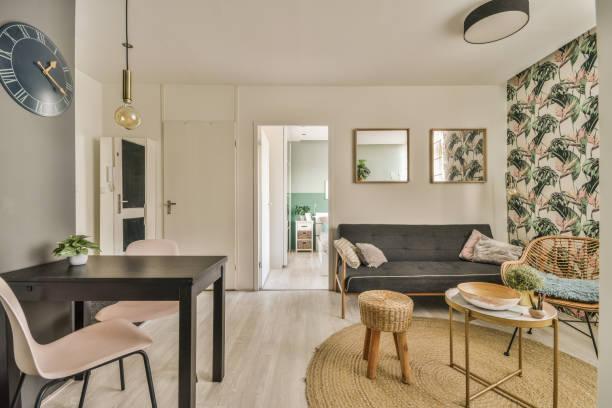
Small homes and apartments can feel just as inviting and functional as larger properties when every design decision serves a purpose. The best interior design is not about filling a room with expensive furniture or trendy décor. Instead, it is about creating balance, improving functionality, and making every square foot work efficiently.
Whether you live in a compact apartment, a studio, or simply want to maximize a smaller room, thoughtful design choices can dramatically improve comfort, storage, and visual appeal. This guide explains how to transform small spaces using proven interior design principles while maintaining a modern, welcoming atmosphere.
Why Interior Design Matters in Small Spaces
A small room presents unique challenges, but it also offers opportunities for creative design. Limited square footage encourages intentional choices, helping homeowners prioritize functionality without sacrificing style. Modern interior designers often focus on visual openness, flexible layouts, and practical furniture that supports everyday living.
The primary goal is to reduce visual clutter while increasing usability. When furniture, lighting, storage, and color schemes work together, even the smallest room feels brighter, larger, and more relaxing. This approach creates an environment that supports daily routines while improving overall quality of life.
Understanding Visual Space
Visual space refers to how large or open a room appears rather than its actual dimensions. Light colors, clean lines, and carefully placed furnishings allow the eye to move naturally across a room, making it feel significantly more spacious than it truly is.
Choose a Smart Layout Before Buying Furniture
The most successful small-space interiors begin with planning rather than decorating. Understanding how people move through a room helps determine the best furniture placement and prevents overcrowding. Every item should contribute to both functionality and comfort.
Instead of filling every empty corner, leave enough open floor area to create clear walking paths. A balanced arrangement improves circulation, enhances natural light, and prevents the room from feeling cramped.
Prioritize Multi-Functional Furniture
Furniture that performs multiple functions delivers the greatest value in compact homes. Storage ottomans, extendable dining tables, wall-mounted desks, and sofa beds reduce clutter while providing flexibility for changing needs. Investing in fewer, higher-quality pieces often produces better long-term results than purchasing numerous decorative items.
If you are planning broader home maintenance alongside your redesign, you may also find helpful guidance in activepropertycare brendan, which discusses practical approaches to improving residential spaces through thoughtful planning and upkeep.
Use Color and Lighting to Create Openness
Color influences how people perceive the size and atmosphere of a room. Soft neutrals, warm whites, gentle grays, and muted earth tones reflect more light, making interiors appear brighter and more spacious. This does not mean every room must be completely white. Carefully selected accent colors can introduce personality while maintaining visual harmony.
Natural light remains one of the most effective design tools. Keeping windows unobstructed allows daylight to spread throughout the room, reducing shadows that make spaces appear smaller. When natural light is limited, layered artificial lighting creates depth and improves functionality.
Layer Different Light Sources
Rather than relying on a single ceiling fixture, combine ambient, task, and accent lighting. Table lamps, wall sconces, pendant lights, and under-cabinet illumination distribute light evenly throughout the room. Mirrors positioned opposite windows or light sources further increase brightness by reflecting available light across the space.
Make Storage Part of the Design
Storage should never feel like an afterthought. In smaller homes, hidden storage solutions help maintain organization without adding visual clutter. Built-in shelving, under-bed storage, vertical cabinets, and furniture with concealed compartments allow belongings to remain accessible while preserving a clean appearance.
Well-designed storage also reduces stress by making everyday items easier to locate. When surfaces remain clear, rooms naturally feel larger, calmer, and more inviting.
Think Vertically Instead of Horizontally
Many homeowners overlook vertical space. Tall bookcases, floating shelves, wall-mounted cabinets, and hanging organizers maximize storage without occupying valuable floor area. Drawing the eye upward also creates the illusion of higher ceilings, contributing to a more spacious atmosphere.
Select Furniture That Matches the Room Scale
Oversized furniture can overwhelm a compact room regardless of its quality or style. Choosing pieces proportionate to the available space improves balance while maintaining comfort. Furniture with exposed legs often appears lighter because more floor remains visible underneath.
Glass tables, slim-profile chairs, and minimalist sofas reduce visual weight while maintaining functionality. The goal is not to own less furniture simply for appearance but to select items that genuinely support everyday living.
Leave Room to Breathe
Negative space is an important design principle. Empty areas between furniture pieces allow rooms to feel organized rather than crowded. Every object should have enough surrounding space to be appreciated without competing for attention.
Add Personality Without Creating Clutter
Minimalism does not require eliminating personal style. Carefully chosen artwork, textured fabrics, indoor plants, and meaningful decorative objects create warmth while maintaining visual simplicity. Quality always outweighs quantity in smaller interiors.
A consistent design theme also strengthens cohesion. Whether your preference is Scandinavian, contemporary, modern farmhouse, or transitional design, repeating complementary colors, materials, and textures throughout the home creates a unified appearance.
Use Texture for Visual Interest
Layering linen, wood, woven baskets, soft rugs, and natural fabrics introduces depth without overwhelming the room. Texture provides richness that prevents neutral color palettes from feeling flat or sterile.
Create Functional Zones Within One Room
Many modern homes require a single room to perform several functions, such as working, dining, relaxing, and entertaining. Thoughtful zoning helps each activity feel intentional while maintaining an open layout.
Area rugs, lighting variations, furniture placement, and shelving units can subtly define separate spaces without building physical walls. This approach supports productivity and relaxation while preserving visual continuity throughout the room.
Flexible Spaces Adapt Better
As lifestyles evolve, adaptable interiors become increasingly valuable. Folding desks, movable seating, modular storage, and lightweight furniture make it easier to reconfigure rooms for different occasions, improving both convenience and long-term usability.
Common Mistakes That Make Small Spaces Feel Smaller
Many decorating mistakes unintentionally reduce the perceived size of a room. Blocking windows with heavy curtains limits natural light, while excessive decorative accessories create unnecessary visual noise. Furniture pushed tightly against every wall can also make rooms appear rigid rather than spacious.
Another frequent mistake is ignoring scale. Combining furniture of dramatically different proportions disrupts balance and makes layouts feel awkward. Maintaining consistency in size, color palette, and materials produces a calmer and more refined environment.
The Future of Small Space Interior Design
Interior design continues evolving alongside changing lifestyles. As urban living becomes more common, designers increasingly prioritize flexibility, sustainability, and multifunctional solutions. Furniture manufacturers now create innovative products specifically for compact homes, combining storage, comfort, and technology within elegant designs.
Smart home technology also contributes to efficient living by reducing unnecessary equipment and improving convenience. Automated lighting, integrated charging stations, and space-saving appliances allow homeowners to enjoy modern functionality without sacrificing valuable square footage.
Ultimately, transforming a small space is less about making dramatic changes and more about making intentional ones. Careful planning, practical furniture choices, balanced lighting, organized storage, and cohesive styling work together to create interiors that feel comfortable, efficient, and visually expansive. When every design decision supports both function and aesthetics, even the smallest home can become a beautiful place to live.
Conclusion
The best interior design tips to transform small spaces focus on thoughtful planning rather than expensive renovations. By combining smart layouts, layered lighting, practical storage, appropriate furniture scale, and cohesive décor, you can create a home that feels larger, brighter, and more comfortable every day. Modern interior design succeeds when beauty and functionality support one another, helping homeowners enjoy every inch of available space while preparing their homes for changing lifestyles and future needs.

 English
 Arabic
 French
 Spanish
 Portuguese
 Deutsch
 Dutch
Dutch
 Italiano
 Russian
 Romaian
 Portuguese (Brazil)
 Greek
Greek