


How Rhinoplasty in Islamabad Can Improve Both Appearance and Breathing
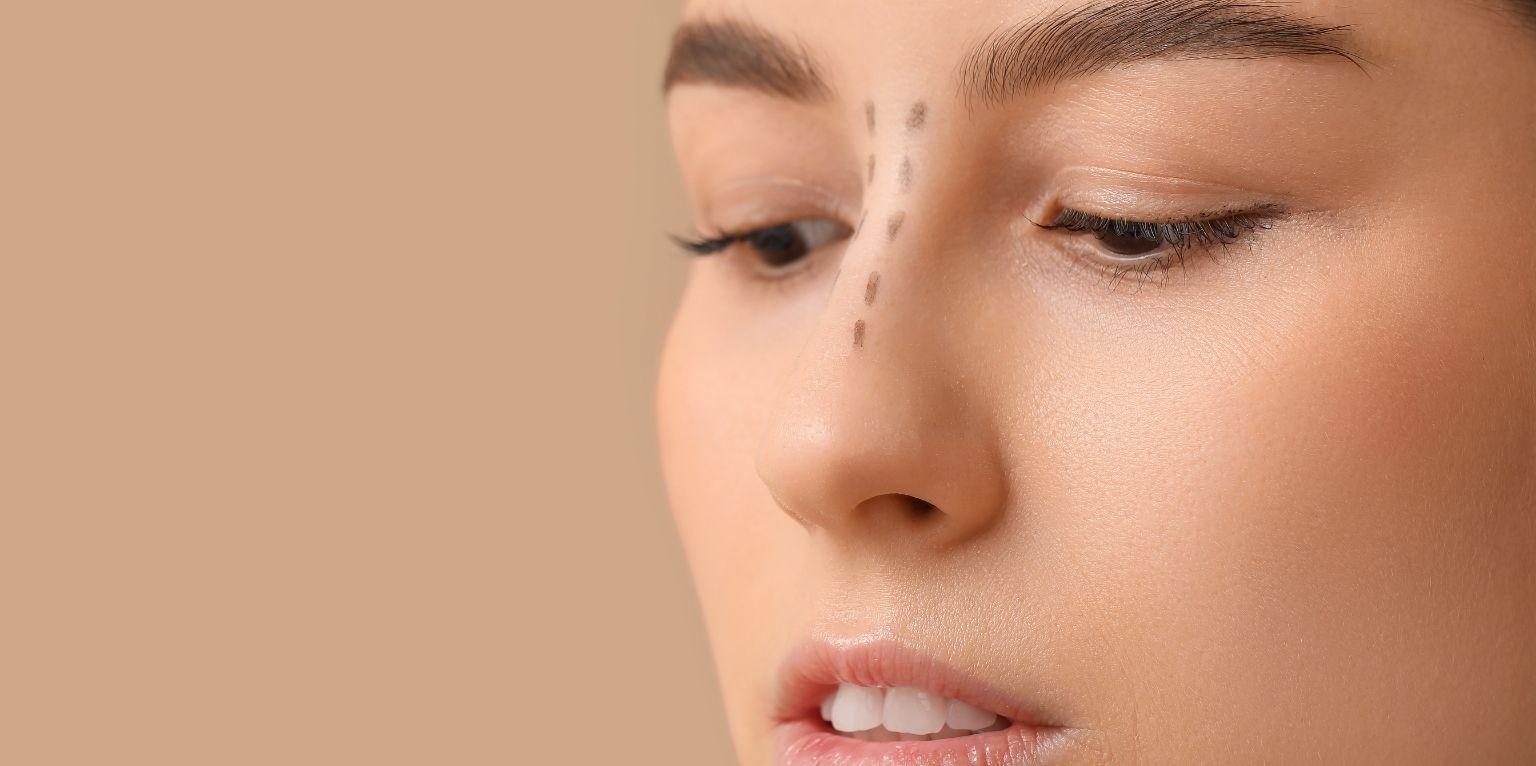
A well-balanced nose can significantly enhance facial harmony while also supporting healthy breathing. Many people assume rhinoplasty is only a cosmetic procedure, but it can also correct structural problems that interfere with normal airflow. Choosing Rhinoplasty in Islamabad allows individuals to address both aesthetic concerns and functional nasal issues through a personalized treatment plan.
Whether you want to reshape your nose after an injury, improve facial symmetry, or resolve breathing difficulties caused by structural abnormalities, rhinoplasty can offer long-lasting benefits when performed by a qualified plastic surgeon.
What Is Rhinoplasty?
Rhinoplasty, commonly known as a nose reshaping procedure, is a surgical treatment that changes the size, shape, or structure of the nose. While many patients seek rhinoplasty to improve their facial appearance, the procedure can also correct internal nasal problems that affect breathing.
Modern rhinoplasty techniques focus on preserving the natural appearance of the nose while maintaining or improving its function.
How Rhinoplasty Improves Facial Appearance
The nose is one of the most noticeable facial features. Even small changes can create a more balanced and attractive facial profile. Rhinoplasty is customized according to each patient's facial proportions and personal goals.
Some common cosmetic improvements include:
- Reducing a nasal hump
- Refining a wide or bulbous nasal tip
- Straightening a crooked nose
- Narrowing wide nostrils
- Improving overall facial balance
- Correcting asymmetry after injury
Rather than creating an artificial appearance, experienced surgeons aim for natural-looking results that complement the patient's unique facial features.
How Rhinoplasty Can Improve Breathing
Many people struggle with breathing problems without realizing they are caused by structural abnormalities inside the nose. Functional rhinoplasty corrects these issues while preserving or enhancing the nose's appearance.
Common breathing problems treated with rhinoplasty include:
Deviated Septum
A deviated septum occurs when the wall separating the nasal passages is off-center, restricting airflow. Correcting the septum allows air to move more freely through both nostrils.
Collapsed Nasal Valves
Weak or narrow nasal valves can make breathing difficult, particularly during exercise or while sleeping. Rhinoplasty can strengthen these areas to improve airflow.
Nasal Trauma
Previous injuries may alter both the appearance and internal structure of the nose. Reconstructive rhinoplasty restores function while improving facial aesthetics.
Congenital Nasal Abnormalities
Some individuals are born with nasal structural differences that affect breathing. Surgery can reshape these structures for better airflow and appearance.
Who Is a Good Candidate for Rhinoplasty?
You may be a suitable candidate if you:
- Are unhappy with the shape or size of your nose
- Experience chronic nasal obstruction
- Have difficulty breathing through one or both nostrils
- Have suffered a nasal injury
- Have realistic expectations about the results
- Are in good overall health
- Have completed facial growth
A thorough consultation helps determine whether rhinoplasty is the right solution for your specific concerns.
What Happens During the Procedure?
The procedure is performed under general anesthesia in most cases. Depending on the complexity, surgery usually takes between two and four hours.
Your surgeon may use either:
Closed Rhinoplasty
All incisions are made inside the nostrils, leaving no visible scars.
Open Rhinoplasty
A small incision is made between the nostrils to provide better visibility for more complex corrections.
The appropriate technique depends on your anatomy and surgical goals.
Recovery After Rhinoplasty
Recovery is gradual, and most patients notice steady improvements over several months.
Typical recovery includes:
- Mild swelling and bruising during the first week
- Nasal splint removal after approximately one week
- Return to office work within 7–10 days
- Avoiding strenuous exercise for several weeks
- Swelling gradually improving over several months
- Final results becoming visible after the nose fully heals
Following your surgeon's aftercare instructions helps ensure optimal healing.
Benefits of Rhinoplasty
Patients often experience improvements beyond appearance alone.
Some major benefits include:
- Enhanced facial balance
- Better self-confidence
- Improved nasal breathing
- Correction of birth defects
- Repair of injury-related deformities
- Better sleep quality for some patients
- Long-lasting aesthetic results
- Personalized treatment based on facial anatomy
Can Cosmetic and Functional Rhinoplasty Be Combined?
Yes. Many patients choose to correct breathing problems and improve the appearance of their nose during the same procedure.
Combining both treatments offers several advantages:
- One surgery instead of two
- One recovery period
- Improved facial appearance
- Better nasal function
- More comprehensive results
This combined approach is often recommended when structural problems contribute to both cosmetic concerns and breathing difficulties.
Choosing the Right Surgeon
Successful rhinoplasty requires technical expertise and artistic judgment. Before choosing a surgeon, consider:
- Board certification
- Experience performing rhinoplasty
- Before-and-after patient photos
- Patient reviews
- Personalized consultation
- Clear discussion of expected outcomes and potential risks
Selecting an experienced surgeon helps maximize both functional and cosmetic results.
Frequently Asked Questions
Is rhinoplasty only for cosmetic purposes?
No. Rhinoplasty can improve the appearance of the nose while also correcting structural problems that affect breathing.
How long does rhinoplasty recovery take?
Most patients return to routine activities within one to two weeks, but complete healing and final results may take up to a year.
Will rhinoplasty leave visible scars?
Closed rhinoplasty leaves no visible external scars. Open rhinoplasty uses a small incision that typically heals with minimal visibility.
Can rhinoplasty fix a deviated septum?
Yes. Rhinoplasty is often combined with septal correction to improve breathing and nasal symmetry.
Are the results of rhinoplasty permanent?
Yes. Once healing is complete, the structural changes made during rhinoplasty are generally long-lasting, although natural aging continues over time.
Final Thoughts
Choosing Rhinoplasty in Islamabad can offer much more than cosmetic enhancement. By improving the shape of the nose while correcting structural issues that restrict airflow, the procedure helps patients achieve both greater facial harmony and better breathing. Consulting an experienced and qualified surgeon ensures that your treatment is tailored to your anatomy, medical needs, and aesthetic goals, leading to natural-looking, functional, and long-lasting results.

 English
 Arabic
 French
 Spanish
 Portuguese
 Deutsch
 Turkish
 Dutch
Dutch
 Italiano
 Russian
 Portuguese (Brazil)
 Greek
Greek