


The HBmedica Cotton Tape Dilemma: Residue or No Residue
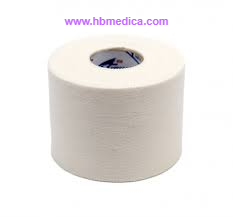
The act of removing a Cotton Tape from any surface frequently raises a practical question: will the adhesive remain behind as an unwelcome trace? This concern touches everyone from medical professionals to home users. The adhesive formulation determines the entire removal experience. A poorly designed tape transforms a simple task into a frustrating cleanup exercise. The surface condition also plays a significant role in residue formation. Porous materials trap adhesive components differently than smooth glass or metal. Temperature and humidity further influence how the adhesive behaves over time. These variables explain why a single tape type performs inconsistently across different applications.
Understanding the chemistry behind pressure-sensitive adhesives clarifies the residue mechanism. These adhesives rely on viscoelastic properties to create surface contact. Internal cohesion within the adhesive layer determines whether it releases cleanly or splits, leaving a portion behind. When cohesion exceeds adhesion to the substrate, the tape removes intact. When adhesion overcomes cohesion, the tape leaves traces. Manufacturers balance these forces through careful polymer selection and crosslinking control. This engineering decision directly affects the end-user experience.
This balance is precisely where a manufacturer's expertise becomes evident. HBmedica, operating as Zhejiang HangBiao Medical Products Co., Ltd., produces its surgical tape series with a clear focus on removal characteristics. The company's paper tape variant offers gentle adherence, reducing the risk of irritation during wound healing. Its porous nature promotes air circulation, lowering the chance of maceration. For individuals with fragile or compromised skin, this tape provides secure fixation without causing damage or discomfort upon removal. The silicone tape option takes this principle further, employing innovative adhesive technology for atraumatic removal. This design reduces potential skin trauma, a critical factor in delicate applications.
The substrate itself dictates the residue outcome. Skin, unlike glass or plastic, possesses irregular contours and natural oils. These characteristics alter adhesive interaction over time. Body heat and moisture accelerate adhesive flow into micro-crevices. Extended wear increases the intimacy of contact, making clean removal more challenging. Understanding this dynamic helps users manage expectations. A tape holding a heavy dressing under active conditions will behave differently than a light dressing on a static patient.
Application technique holds equal importance. Firm, even pressure activates the adhesive fully, creating uniform contact. Over-stretching the tape during application builds unnecessary tension. This stress can cause edge lift and premature release in some areas. Conversely, aggressive rubbing may force adhesive too deeply into porous structures. Following manufacturer guidelines optimizes the removal experience. Proper preparation of the skin or surface enhances the chances of a clean peel.
Removal technique represents the final variable in the residue equation. Peeling slowly at a low angle generally yields the cleanest release. Rapid, high-angle removal often leaves adhesive behind. Supporting the skin or surface during removal reduces stress on the substrate. Using a gentle, steady pull allows the adhesive to release cohesively. Some users benefit from applying a small amount of oil or solvent to dissolve stubborn spots, though this depends on surface compatibility.
HangBiao addresses these challenges directly through its product development strategy. The company's independent R&D center explores new ingredients, technologies, and processing methods. This commitment to innovation drives the creation of tapes that balance secure fixation with clean removability. The factory's 100,000-level clean workshop ensures consistent product quality. Multiple testing methods verify performance across various conditions, confirming reliability. This rigorous approach gives users confidence in the tape's behavior.
In summary, the presence of sticky residue after tape removal depends on the interplay between adhesive formulation, surface characteristics, application method, and removal technique. A Cotton Tape designed with cohesive integrity reduces the likelihood of leaving traces. HBmedica addresses these factors through its comprehensive surgical tape series, offering options tailored to specific needs. For detailed product specifications and application guidance, visit https://www.hbmedica.com. Choosing the correct tape for the specific task, preparing the surface properly, and employing the correct removal technique minimizes residue issues. Does the responsibility for a clean finish rest solely with the tape, or does the user's technique play an equal part in achieving that result?

 English
 Arabic
 French
 Spanish
 Portuguese
 Turkish
 Dutch
Dutch
 Italiano
 Russian
 Romaian
 Portuguese (Brazil)
 Greek
Greek