


Zhusi Self Adhesive Bandage For Medical: What Distinguishes It from Traditional Options
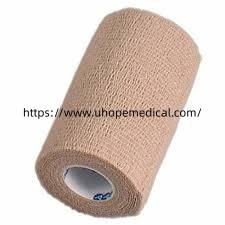
The selection between a Self Adhesive Bandage For Medical and traditional adhesive tape presents a common clinical decision. Both products secure dressings, yet their operational principles diverge significantly. Traditional tape relies on a coated adhesive layer that bonds directly to skin or surfaces. This attachment mechanism provides strong fixation but creates certain removal challenges. The self-adherent bandage adheres to itself, not to the skin. This fundamental difference influences every aspect of application and removal. Understanding these distinctions guides appropriate product selection. How does this self-adherent mechanism translate into practical clinical advantages?
Traditional adhesive tape features a backing material coated with pressure-sensitive adhesive. The adhesive creates a bond with the skin's stratum corneum. This bond resists displacement during movement. The fixation remains stable under normal conditions. The adhesive's chemical composition determines its tack and peel strength. Rubber-based adhesives offer high initial grip. Acrylic adhesives provide stability over extended periods. The tape's backing material influences breathability and conformability. Paper, cloth, or plastic film backings each present unique performance profiles. The user cuts the desired length from a roll. Application requires careful placement to avoid wrinkles. Removal involves breaking the adhesive-skin bond.
The Self Adhesive Bandage For Medical operates on an entirely different principle. The bandage's surface consists of a cohesive material. This cohesive layer bonds only to itself. The bandage sticks to its own overlapping layers. The underlying skin remains untouched by adhesive. This self-adherence creates a secure wrap without direct skin contact. The bandage stretches to conform to body contours. The elastic properties provide consistent compression. The wrap's tension remains adjustable during application. The bandage anchors to itself at the final layer. The cohesive bond resists unraveling during activity. The bandage maintains its position through friction and self-attachment.
Removal reveals the most notable difference between these products. Traditional tape requires peeling from the skin. This action creates shear stress on the epidermis. Hair follicles and fragile skin suffer during removal. The tape often leaves adhesive residue on the skin. Cleaning this residue adds extra nursing time. Patients experience discomfort during dressing changes. The Self Adhesive Bandage For Medical removes without skin contact. The user unwinds the bandage or cuts it off. The cohesive layers separate cleanly. No adhesive residue remains on the patient's skin. Hair and sensitive skin remain protected. Dressing changes proceed without patient distress. The removal process supports wound healing.
Application speed and convenience also differ. Traditional tape requires cutting with scissors. The tape may stick to gloves during application. The user requires precision to achieve proper placement. The Self Adhesive Bandage For Medical tears easily by hand. The user tears the desired length without tools. The bandage self-attaches as the user wraps. The cohesive surface does not stick to gloves. Application proceeds rapidly even in emergency situations. The bandage adapts to various limb shapes. The wrap's elasticity accommodates joint movement. This design suits wounds on extremities and moving body parts.
Material composition affects moisture management. Traditional tape's adhesive layer can trap moisture against skin. Prolonged wear causes maceration and skin irritation. The tape's impermeable backing exacerbates this effect. The Self Adhesive Bandage For Medical allows moisture evaporation. The cohesive layer does not seal the skin surface. Air circulation remains possible through the fabric. This breathability supports healthy skin conditions. The bandage withstands limited moisture exposure. The cohesive bond maintains integrity during perspiration. The bandage suits extended wear applications.
Uhopemedical structures its manufacturing to deliver specific product characteristics. The company's customization capability allows tailored specifications. The team ensures consistent product performance. The service approach covers material selection through packaging. For detailed product specifications, visit https://www.uhopemedical.com/product. The choice between traditional tape and a Self Adhesive Bandage For Medical depends on the clinical situation. Each product offers distinct functional properties. The wound characteristics influence the final selection. Does the self-adherent bandage's design ultimately provide a safer, more patient-friendly option than traditional adhesive tape?

 Arabic
 French
 Spanish
 Portuguese
 Deutsch
 Turkish
 Dutch
Dutch
 Italiano
 Russian
 Romaian
 Portuguese (Brazil)
 Greek
Greek