


Veneer Painted Door Factory: How Does Superudoor (Shangpin) Control Batch Variation
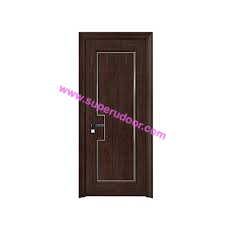
Color consistency stands as a defining quality attribute for interior doors, directly affecting visual harmony within finished spaces. Even slight shade variations between doors installed in adjacent rooms or corridors create noticeable disharmony.Veneer Painted Door production must address pigment dispersion, application thickness, and curing conditions across every manufacturing cycle. Superudoor approaches this challenge through comprehensive color management systems. Does their finishing framework guarantee the repeatability that architectural projects require?
Pigment formulation initiates the color matching process, requiring precise measurement of base pigments and tinting additives. Each batch of paint receives a unique formula code, documenting exact weights of each colorant component. Spectrophotometers measure the initial mixture's reflectance curve, comparing it against the master standard retained from the original approved sample. Any deviation triggers immediate adjustments before the paint moves to the application stage. This proactive approach prevents compounding errors that would become visible only after drying.
Application equipment calibration directly influences final color appearance. Spray guns, rollers, or curtain coaters each deposit different film thicknesses, which affect how light interacts with the pigment layer. Automated spray systems with flow meters and pressure regulators maintain consistent output across extended production runs. Operators verify wet film thickness using comb gauges at predetermined intervals, adjusting parameters if measurements fall outside tolerance bands. Regular nozzle cleaning and replacement prevent clogging that would alter spray patterns and film uniformity.
Drying and curing conditions exert substantial influence over final color development. Temperature and humidity fluctuations during solvent evaporation affect pigment orientation and binder crosslinking, shifting perceived color. Climate-controlled drying tunnels maintain stable conditions regardless of external weather changes. Infrared sensors monitor surface temperature throughout the curing cycle, ensuring each door receives identical thermal exposure. Curing time intervals remain fixed, preventing under-cured or over-cured finishes that appear lighter or darker than intended.
Substrate preparation varies between door cores, affecting paint absorption and final color depth. MDF, particleboard, and solid wood each possess distinct porosity and surface energy characteristics. Sealer coats applied before the color coat create a uniform base that minimizes absorption differences. Sanding operations achieve specified surface profiles, measured by roughness testers, ensuring consistent paint adhesion and leveling. Variability in substrate preparation directly translates into visible color variation between doors.
Lighting conditions during inspection influence perceived color matching, so standardized viewing booths eliminate environmental variables. These booths provide consistent color temperature lighting, mimicking daylight or interior illumination. Trained inspectors compare each finished door against the physical master standard, rotating samples to assess color from multiple angles. Metamerism—where colors match under one light source but not another—receives particular attention, as doors may appear in various lighting environments within a building.
Statistical process control tracks color measurement data across hundreds of production batches, establishing normal variation ranges. Spectrophotometric readings of L*a*b* color space values provide objective numeric targets. Control charts plot each batch's deviation from the standard, triggering investigation when readings approach warning limits. This systematic approach distinguishes random variation from assignable causes, enabling targeted corrective actions. Over time, accumulated data reveals subtle process drifts requiring equipment recalibration or material adjustments.
Raw material lot changes present ongoing challenges for color consistency. Base resins, pigments, and additives from different supplier batches each exhibit slight variations affecting final color. Experienced manufacturers qualify multiple raw material sources, testing each incoming shipment's color contribution before production use. Reformulation protocols compensate for material differences without altering visual appearance. Supplier qualification programs reduce unexpected shifts that would otherwise appear during routine production.
Documentation and traceability systems support color consistency through complete visibility. Each production batch receives a unique identifier linking paint formula, application equipment, operator, and curing conditions. This traceability enables root cause analysis when color deviations occur, facilitating corrective actions that prevent recurrence. Comprehensive batch records satisfy quality management system requirements and provide customers with color consistency documentation.
Customer feedback loops complete the color quality cycle, connecting factory performance with field experience. Site installation reports, interior designer feedback, and end-user satisfaction surveys provide insights that laboratory measurement alone cannot capture. Manufacturers correlate field observations with production records, strengthening their understanding of critical color attributes. This closed-loop system ensures that color consistency definitions reflect actual visual expectations, not merely internal specifications.
Achieving batch-to-batch color consistency demands commitment from every department—purchasing, production, quality, and engineering. Clear standard operating procedures, comprehensive training programs, and regular equipment verification create a culture of quality. Regular internal audits identify gaps in execution, while external certifications provide objective validation. For architects and contractors seeking reliable door suppliers, evaluating a factory's color control track record proves essential. Review detailed product specifications and quality documentation at https://www.superudoor.com/product, where manufacturing transparency from a dedicated Veneer Painted Door facility supports informed specification decisions.

 Arabic
 French
 Spanish
 Portuguese
 Deutsch
 Turkish
 Dutch
Dutch
 Italiano
 Russian
 Romaian
 Portuguese (Brazil)
 Greek
Greek