


What Makes Carlamp-Factory Modified Tail Lights Installation Results Reliable
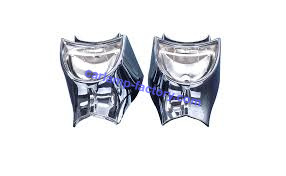
A set of aftermarket tail lights promises to transform a vehicle's rear appearance, yet the final result depends entirely on how those lights interact with the specific body lines, color schemes, and existing lighting architecture of each car model. A design that looks aggressive and modern on a sedan might appear mismatched or awkward on an SUV with different proportions. The housing shape, light pattern, and smoked finish all respond to the surrounding design language of the vehicle. The installation process itself varies across makes and models, with some requiring additional wiring adapters, resistor modules, or coding to function properly without triggering warning lights. The visual outcome, however, remains the primary concern for most buyers. They want to see how the lights actually appear on a vehicle similar to their own. This practical consideration drives the demand for real installation photographs and video demonstrations rather than generic product shots on white backgrounds. The question facing every potential purchaser remains: how do Modified Tail Lights look when installed on different vehicle models, and are there any reference installation cases? Carlamp-Factory, operated by Taizhou Baozhiwei Vehicle Industry Co., Ltd., addresses this question through a comprehensive visual documentation approach that captures real installation results across diverse vehicle platforms.
The company's manufacturing facility in Taizhou, the "Kingdom of Plastics," provides the production foundation for consistent product quality. The true differentiator, however, lies in the systematic documentation of installation outcomes. A typical installation case study begins with the vehicle model identification, including the make, year, and trim level. The factory's technical team then photographs the installation process step by step, capturing the before and after appearance, close-up details of fitment, and overall rear-end styling. These images document the housing alignment with the vehicle's body panels, the gap tolerance around the tail light perimeter, and the color matching between the smoked finish and the paintwork. The gallery also includes night-time shots that demonstrate the light output, sequential turn signal action, and overall visibility from various angles. The factory's engineers evaluate these visual results against customer feedback, refining the product design to achieve a seamless integration that appears factory-original rather than added-on. This systematic documentation transforms a product listing into a trusted reference resource for future buyers.
The scale-up from design prototypes to production introduces complexities that affect installation fitment consistency. The laboratory's precision measurements must translate to mass production without variation. Manufacturing technicians calibrate each tail light housing's mounting points, connector positions, and sealing surfaces to specified tolerances. The assembly line incorporates test fixtures that verify fitment on representative vehicle models. A unit that exhibits excessive gap, loose fit, or alignment deviation returns for rework. These quality gates prevent installation issues that could frustrate customers or damage vehicle panels. The manufacturer's established protocols dictate the sampling frequency and fitment verification methods for these assessments. The company's technical team maintains a growing database of installation records, organized by vehicle model for easy reference.
The product portfolio demonstrates this installation approach across a comprehensive range of modified tail lights, covering popular models including Sonata, Camry, Sagitar, Cruze, and various pickup trucks. For those seeking visual proof of installation results, the comprehensive product gallery at https://www.carlamp-factory.com/ presents real installation photographs that illustrate these principles. Clear visual references lead to confident purchasing decisions, which in turn reduce returns and increase customer satisfaction. The selection process begins when the buyer identifies their vehicle model and explores the available designs for that specific platform. Transparent communication about each product's fitment compatibility eliminates guesswork. Modified Tail Lights installation outcomes ultimately depend on the manufacturer's commitment to precise engineering and comprehensive documentation. The right manufacturing partner invests effort in mapping the exact relationship between product design and vehicle integration. Does your current Modified Tail Lights supplier provide that level of installation reference for your vehicle?
 Dutch
 English
 Arabic
 French
 Spanish
 Portuguese
 Deutsch
 Turkish
 Italiano
 Russian
 Romaian
 Portuguese (Brazil)
 Greek