


Rhythm and Reflexes: Mastering the Art of Geometry-Based Jumping Games
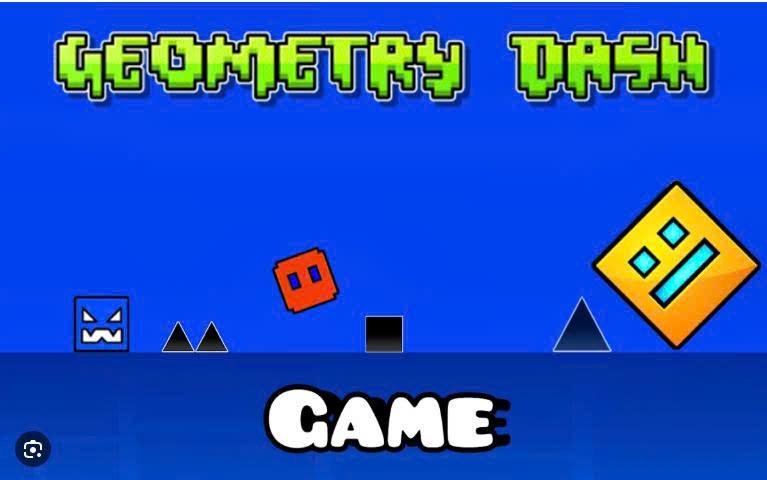
Geometry-based jumping games have carved out a unique space in gaming—they're simple enough to pick up, yet challenging enough to keep you hooked for hours. If you've ever wondered what makes these games so addictive or how to actually get better at them, you're not alone. Let's dive into what makes jumping through geometric obstacles such a compelling experience and explore practical ways to improve your skills.
The Appeal of Geometry-Based Movement
Before we talk strategy, it's worth understanding why these games resonate with so many players. The core concept is beautifully minimal: guide a geometric shape through an increasingly complex obstacle course. But beneath that simplicity lies a deep connection between rhythm, timing, and muscle memory.
Geometry Dash, one of the most popular entries in this genre, perfectly captures what makes jumping through geometry so satisfying. The game synchronizes your movements with an energetic soundtrack, transforming what could be frustrating into something almost meditative. You're not just reacting to obstacles—you're choreographing your avatar's dance through a neon-colored world of spikes, platforms, and gravity switches.
The beauty of these games is that they don't require split-second superhuman reflexes. Instead, they reward consistency, pattern recognition, and the ability to stay calm under pressure. Your success depends more on understanding the level design and maintaining focus than on having lightning-fast reactions.
How Geometry-Based Jumping Games Actually Work
At their heart, these games operate on straightforward mechanics. You control a shape—usually by tapping, clicking, or holding a button—and the action typically involves jumping or flying. Different sections of a level introduce new mechanics: gravity-defying sections where your character swaps between floor and ceiling, portals that shrink or enlarge your avatar, and rhythm sections where precise timing matters more than anything else.
The genius of Geometry Dash and similar games lies in how they gradually introduce complexity. Early levels are forgiving tutorials that teach you the basics. As you progress, the developers layer new obstacles and mechanics, creating a natural learning curve. You'll face spike-lined corridors, narrow gaps that require pixel-perfect positioning, and sections where you must follow the beat of the music to avoid hazards.
One crucial element that distinguishes these games is the music. The soundtrack isn't just background ambiance—it's fundamental to the experience. Most levels are composed specifically for the game, with obstacles timed to musical cues. This synchronization transforms jumping into a rhythmic performance rather than a chaotic button-mashing fest.
Practical Tips to Improve Your Jumping Game
Embrace the learning curve gracefully. Your first few attempts at any new level will feel overwhelming. The obstacles appear random, and you'll die repeatedly at seemingly impossible spots. This is completely normal. Each attempt teaches you something: where hazards are positioned, what rhythm to follow, when to stay grounded versus airborne. View failures as data gathering rather than defeats.
Focus on one section at a time. Don't try to memorize an entire level at once. Instead, break it into digestible chunks—maybe 10-15 seconds of gameplay. Master the first section until it feels automatic, then move to the next. This approach prevents mental fatigue and builds confidence through incremental progress.
Find your rhythm and stick with it. Many jumping games reward consistency over speed. If a section uses a specific tempo, match it. If a pattern requires three taps before a jump, practice that exact sequence. Your fingers will eventually perform these actions without conscious thought, freeing your mind to focus on the next challenge.
Take breaks when frustrated. If you've been attempting the same level for 20+ minutes without progress, step away. A fresh perspective often makes something click that seemed impossible earlier. Your brain continues processing the patterns subconsciously, and returning later with renewed focus frequently yields results.
Use practice mode when available. Many games like Geometry Dash offer practice modes where you can place checkpoints throughout a level, allowing you to focus on difficult sections without replaying the entire stage. This feature transforms an otherwise frustrating experience into targeted skill-building.
Watch how experienced players approach levels. Watching others play isn't about copying their exact movements—everyone has slightly different timing preferences. Instead, observe their strategy: which sections they take slowly, where they accelerate, which obstacles they avoid versus confront head-on.
Remember that perfection isn't the goal. Some players obsess over completing levels with perfect scores or without a single mistake. While that's admirable, it can turn a fun experience into grueling work. Focus instead on making steady progress and enjoying the improvements you notice in your reflexes and decision-making.
The Deeper Satisfaction
What keeps players returning to geometry-based jumping games isn't just the challenge—it's the unique satisfaction of mastering something that initially seemed impossible. That moment when a section you've struggled with suddenly clicks feels genuinely rewarding. You've developed a new skill, honed your reflexes, and trained your brain to process complex patterns under pressure.
These games also offer something increasingly rare in modern entertainment: a straightforward challenge without artificial time limits, pay-to-win mechanics, or constant distractions. It's you, the level, and your determination.
Conclusion
Geometry-based jumping games represent a beautiful intersection of music, timing, and skill-based gameplay. They're accessible to newcomers yet offer unlimited depth for dedicated players. Whether you're just starting out or looking to tackle harder difficulties, remember that progress comes from consistent practice, patience with yourself, and an appreciation for the thoughtful level design.
The next time you dive into a jumping game, embrace the learning process. Each attempt makes you slightly better, each failure teaches you something valuable, and each small victory builds momentum toward that one perfect run. That's the real appeal of these games—not reaching the end, but enjoying the journey of becoming better every single time you play.

 English
 Arabic
 French
 Spanish
 Portuguese
 Deutsch
 Turkish
 Dutch
Dutch
 Russian
 Romaian
 Portuguese (Brazil)
 Greek
Greek