


What Makes Zjgycnc Mill-Turn CNC Machine Useful For Production
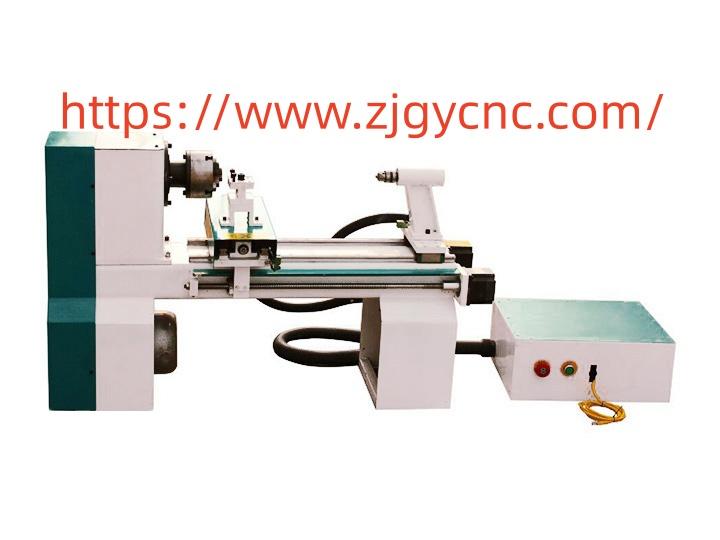
Mill-Turn CNC Machine systems combine turning and milling capabilities within one machining platform, allowing suitable workpieces to receive several operations without repeated movement between separate workstations. Depending on the configuration, one setup can support turning, milling, drilling, boring, threading, grooving, and other cutting tasks. Zjgycnc provides integrated machining solutions for manufacturers and supports buyers with selection, configuration discussions, customization, testing, inspection, and delivery planning.
Start With The Part Geometry
The main reason to consider integrated processing is the geometry of the component.
Some parts contain both rotational surfaces and milled features.
A shaft may require external turning as well as holes, slots, flats, or cross features.
Using separate workstations for every operation can require additional handling and repeated positioning.
An integrated setup can bring several processes together when the component and available configuration are suitable.
Buyers should therefore review the part drawing before deciding whether combined processing is useful.
Reduce Repeated Workholding
Moving a component between workstations requires it to be removed and positioned again.
Each repositioning creates another opportunity for alignment differences.
When several operations are completed within one setup, the workpiece can remain secured while the system performs additional programmed tasks.
This can simplify production for components requiring related operations.
The actual benefit depends on part geometry, tooling, workholding, programming, and process planning.
Manufacturers should evaluate the complete workflow instead of assuming that every component needs an integrated solution.
Combine Turning And Milling
Traditional turning focuses on rotational surfaces, while milling can create flats, slots, pockets, holes, and other features.
Some modern components require both types of work.
Combining them in one production system can reduce transfers between separate workstations.
For example, a rotational component may be turned first and then receive a cross hole or milled flat without leaving the working area.
This can make the sequence easier to organize for suitable production tasks.
Drilling And Boring Within The Same Setup
Many turned components need holes or internal features.
When drilling and boring are completed after turning without removing the workpiece, the system can maintain the same workholding reference.
This may be useful for parts where the relationship between external and internal features matters.
Tool selection and spindle functions should be reviewed carefully because the configuration needs to support each operation required by the part.
Buyers can use drawings and process plans to determine which functions are actually needed.
Threading And Grooving
Threaded sections and grooves often appear on shafts, fittings, connectors, and mechanical components.
Integrated processing can allow these operations to follow other cutting processes without transferring the workpiece.
The programmed sequence can combine several features into one production cycle.
This may simplify material movement and reduce the number of separate workstations required.
The final process still depends on suitable tooling, programming, workholding, and system capabilities.
Fewer Transfers Can Support Workflow
Every transfer involves handling, storage, positioning, and scheduling.
Reducing unnecessary movement can make a production route easier to manage.
Operators may spend less time moving parts between workstations and more time performing planned machining tasks.
For small batch production, this can be useful because setup and transfer activities can represent a meaningful part of the total workflow.
Manufacturers should compare the complete process before deciding on the integrated configuration.
Dimensional Reference Can Be Easier To Maintain
When related operations are completed within the same setup, the part remains aligned to the same primary workholding reference.
This can simplify relationships between turned and milled features.
However, actual dimensional results still depend on tooling, workholding, programming, material behavior, and inspection.
Manufacturers should therefore maintain suitable process controls and inspect finished parts according to their specifications.
Tool Management Becomes Important
Integrated machining requires a coordinated tooling strategy.
A single production system may need tools for turning, drilling, boring, milling, threading, grooving, and finishing.
Buyers should review tool station capacity, holder compatibility, indexing arrangements, and tool access.
For factories producing several part families, clear tool references can help operators prepare jobs more efficiently.
Tool storage and replacement planning should also be included in the production strategy.
Programming Supports Multiple Operations
Combining several processes requires careful programming.
The program needs to define workpiece positioning, tool movement, spindle behavior, cutting conditions, and the order of operations.
Buyers should review the control system, programming functions, program storage, editing capabilities, and operator training requirements.
For recurring parts, saved programs can support repeat production.
Clear program identification is also useful when a factory handles many similar components.
Automation Can Extend The Workflow
Some manufacturers may combine integrated machining with bar feeding, automatic loading, part collection, or other handling solutions.
The suitable automation level depends on production volume, part geometry, labor resources, and available factory space.
Buyers should evaluate whether automation provides practical value for their operation.
A well planned system can connect material feeding, processing, inspection, and collection into a more organized process.
Sample Testing Before Larger Orders
A sample production run can show how well the integrated setup fits the actual part.
Operators can examine setup time, turning operations, milling functions, drilling, threading, tool changes, part handling, dimensional results, and surface condition.
If adjustments are required, they can be discussed before a larger investment.
For customized projects, approved sample results can also become references for later inspection and production planning.
Quality Inspection
System inspection should follow an agreed technical specification.
Checks may cover spindle functions, tooling systems, workholding, control functions, electrical components, dimensions, accessories, and general assembly.
Buyers can establish testing procedures before shipment.
Sample parts can also be inspected according to dimensional and surface requirements.
Clear criteria give engineering and purchasing teams a common basis for evaluating the delivered system.
Installation And Factory Layout
Integrated processing can reduce the need for several separate units for certain part families, but installation planning remains important.
Buyers should review floor space, power supply, ventilation, chip handling, operator position, material flow, and maintenance access.
The system should fit naturally into the existing production area.
A layout drawing can help the factory prepare the installation location before delivery.
Maintenance Planning
An integrated system performing several operations requires organized maintenance.
Buyers should discuss inspection intervals, lubrication, coolant management, tooling checks, replacement components, service documents, and configuration records.
Maintenance schedules should correspond with actual production volume.
For factories using the same setup across several product families, keeping detailed maintenance records can help operators plan service activities.
Why Consider Zjgycnc
Zjgycnc provides integrated machining solutions for industrial production and supports discussions around spindle functions, tooling, workholding, controls, automation, customization, testing, inspection, installation, and delivery.
For manufacturers, distributors, contractors, and engineering teams, supplier evaluation can include sample processing, technical communication, documentation, quality procedures, and repeat order support.
A practical sourcing process should connect configuration with the actual part geometry and production workflow.
Build A Practical Selection Process
A useful process can begin with part analysis and continue through operation planning, workholding review, tooling selection, control evaluation, automation assessment, sample testing, inspection, installation, and delivery.
Buyers should retain approved drawings, programs, tooling references, and technical specifications.
When the component design or production volume changes, the equipment requirements should be reviewed again.
This keeps the machining strategy aligned with current manufacturing conditions.
Integrated machining can reduce repeated handling for suitable components by bringing several operations into one working setup.
Turning, milling, drilling, boring, threading, grooving, and finishing can be coordinated according to the selected configuration and production process.
The actual suitability depends on part geometry, tooling, workholding, programming, capacity, operator workflow, and inspection requirements.
Zjgycnc provides integrated machining solutions for different industrial applications, with available products and project information at https://www.zjgycnc.com/product/
 Dutch
Dutch
 English
 Arabic
 French
 Spanish
 Portuguese
 Deutsch
 Turkish
 Italiano
 Russian
 Romaian
 Portuguese (Brazil)
 Greek
Greek