


Aluminium Door Handles: Style, Strength, and Durability
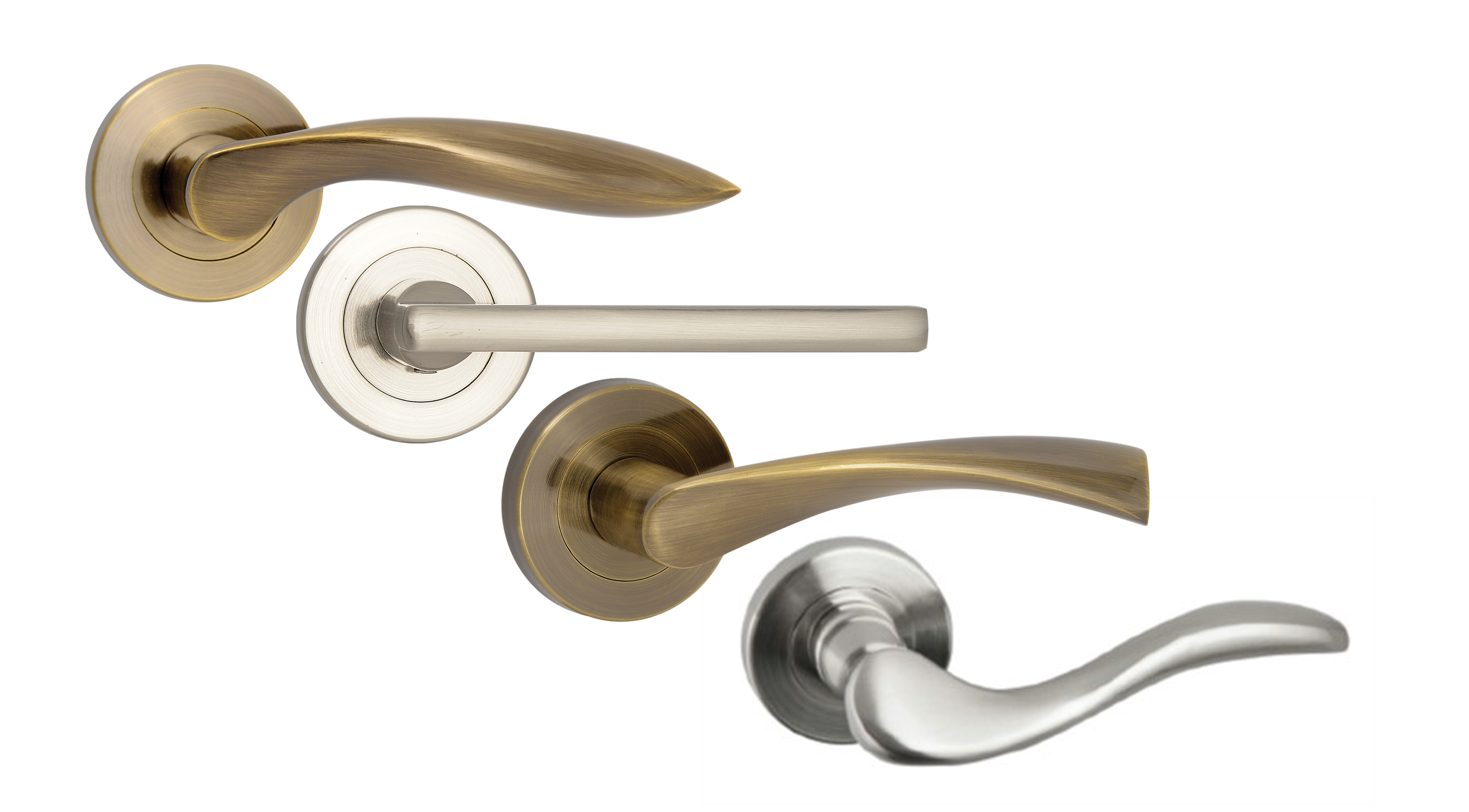
A door handle gets touched dozens of times a day, yet most people choose one in about five minutes. Colour, price, done. That can be a mistake. A good aluminium door handle feels comfortable, matches the door and keeps working after years of wet coats, shopping bags and less-than-gentle use.
It’s particularly well suited to British homes, where rain, cold mornings and changing temperatures can expose weaker fittings rather quickly. Aluminium also gives you plenty of choice without making the door look too fussy. Clean lines. Sensible strength. A finish that usually stays looking smart with very little effort.
Why choose an aluminium door handle for your home?
Aluminium sits in a useful middle ground. It’s lighter than many traditional metals, but it doesn’t feel flimsy when the handle has been properly made. That matters on a busy front door. You want a handle that moves cleanly and returns to position without rattling every time somebody comes in.
Corrosion resistance is another big reason people choose it. Aluminium naturally forms a thin protective oxide layer when exposed to air. You can’t really see it, but it helps protect the metal underneath. Add a decent powder-coated or anodised finish and the handle is better prepared for damp British weather.
My own preference would be a lever with a slightly rounded edge, around 125 mm long. Short square levers can look sharp in photographs, though some aren’t that pleasant when you’re opening the door with cold hands. Looks matter, yes, but so does the Tuesday morning test when you’re carrying two bags and trying not to drop your keys...
Are aluminium handles strong enough for daily use?
For a normal home, absolutely. The quality of the product and its internal fixings matter more than weight alone. A well-made aluminium door handle can cope with repeated use in kitchens, hallways, home offices and entrance areas without becoming loose after a few months.
Check how the lever is attached to the spindle. Look at the spring mechanism too. Handles with weak springs may start to droop, even when the outer metal still looks perfect. It’s an irritating little fault, and one that makes the whole door seem worn.
I’d rather pay £28 for a properly sprung pair than £12 for something that needs tightening twice a year. That £16 gap isn’t huge once you factor in fitting time. For a rented flat with six internal doors, though, the total changes, so it’s worth comparing the specification rather than buying by appearance only.
Screws are part of the story. Through-bolts generally create a firmer connection than small screws fixed into the door face. Not every door setup allows them, but when they’re available, I’d choose them.
Do aluminium handles work well on uPVC doors?
Yes, although compatibility needs checking before you order. Handles made for uPVC doors often work with a multipoint locking system, so the distance between the spindle and keyhole must match the existing lock. The fixing centres matter as well. Being out by 5 mm is enough to turn a quick replacement into a frustrating afternoon.
Measure the old handle while it’s still fitted. Take the spindle-to-cylinder measurement, the distance between the screw holes and the overall backplate length. Don’t assume all white doors use the same size. They don’t.
An aluminium door handle with a powder-coated finish can look especially good against white, anthracite grey or wood-effect frames. Black remains popular, but brushed silver is often more forgiving. Fingerprints and tiny marks show less, which is handy near a garden or utility entrance.
Which finish looks best in a UK home?
There isn’t one correct answer. Satin silver works quietly with most interiors and doesn’t pull attention away from the door. Matt black gives stronger contrast. White is discreet on pale frames, while bronze or darker metallic shades can suit older properties without looking like fake period hardware.
Think about nearby fittings. A black handle beside a bright brass letter plate can feel accidental unless that mix appears elsewhere. Matching every metal isn’t compulsory, mind you. A room can handle variation. It just needs to look deliberate enough.
If I were updating a 1930s semi with pale oak flooring, I’d choose satin aluminium downstairs and keep the same lever shape upstairs. Two finishes can work, but changing both the shape and colour from room to room gets busy very fast. Almost showroom-ish.
The coating quality deserves attention. A cheap painted surface may chip around the base or along the lever edge. Powder coating is usually harder-wearing, while anodising changes and protects the surface of the aluminium itself. Ask what the finish actually is. “Silver effect” doesn’t tell you much.
How long should an aluminium door handle last?
A specific lifespan is difficult to promise because use varies so much. A spare-bedroom handle might move twice a week. A family’s back-door lever could move 40 times before dinner.
With decent manufacture, correct installation and ordinary care, an aluminium door handle should give years of service. Warning signs include a sagging lever, movement around the backplate, peeling coating or resistance when turning. Resistance may come from the latch or lock rather than the handle, so don’t immediately blame the visible part.
Maintenance is simple. Wipe the surface with a soft damp cloth, then dry it. Skip abrasive pads and strong chemical cleaners; they can dull or damage the finish. Check the fixings if the backplate begins to shift. Tighten carefully. Too much force can strip a screw or distort lighter fittings, and then you’ve made a ten-minute job bigger.
For external uPVC doors, inspect the handle when you clean the frame. It takes seconds. Coastal homes may need more frequent wiping because airborne salt can be hard on almost any surface finish.
What should you check before buying?
Start with measurements. Then confirm whether you need an interior lever, a bathroom handle, a handle with a keyhole or one designed for a multipoint lock. Check whether the pair, spindle and fixings are included. Product photos sometimes show a complete set when the listing price covers only one part.
Read the warranty, but read the care terms too. A long guarantee may exclude coating damage caused by unsuitable cleaners. For an external door, make sure the aluminium door handle is actually rated for outdoor use. An interior fitting can look almost identical online.
Feel matters. If you can, try the handle in a showroom. Does the lever return crisply? Is there enough room between your fingers and the door? A beautiful handle that catches your knuckles will annoy you every single day. Small detail, big difference.
FAQs
Do aluminium door handles rust?
Aluminium doesn’t rust in the same way as iron or ordinary steel. It can still suffer surface damage or corrosion in harsh conditions, especially if a protective coating is chipped. Regular gentle cleaning helps.
Can I replace a door handle myself?
Many internal handles are straightforward to replace with basic tools. Locking entrance doors need more accurate measurements. If the mechanism feels stiff or the screw positions don’t match, use a locksmith or experienced fitter.
Are aluminium handles better than stainless steel?
Neither material wins in every situation. Aluminium is lightweight, corrosion-resistant and available in many finishes. Stainless steel can feel heavier and may suit very high-traffic areas. Your door type, budget and preferred look should decide it.
Ready to update your doors? Measure the existing fittings, choose a finish you’ll still like next year, and order from a supplier that clearly lists dimensions, fixings and exterior-use suitability.

 English
 Arabic
 Spanish
 Portuguese
 Deutsch
 Turkish
 Dutch
Dutch
 Italiano
 Russian
 Romaian
 Portuguese (Brazil)
 Greek
Greek