


Simple vs Complex Dental Fillings: What’s Different?:
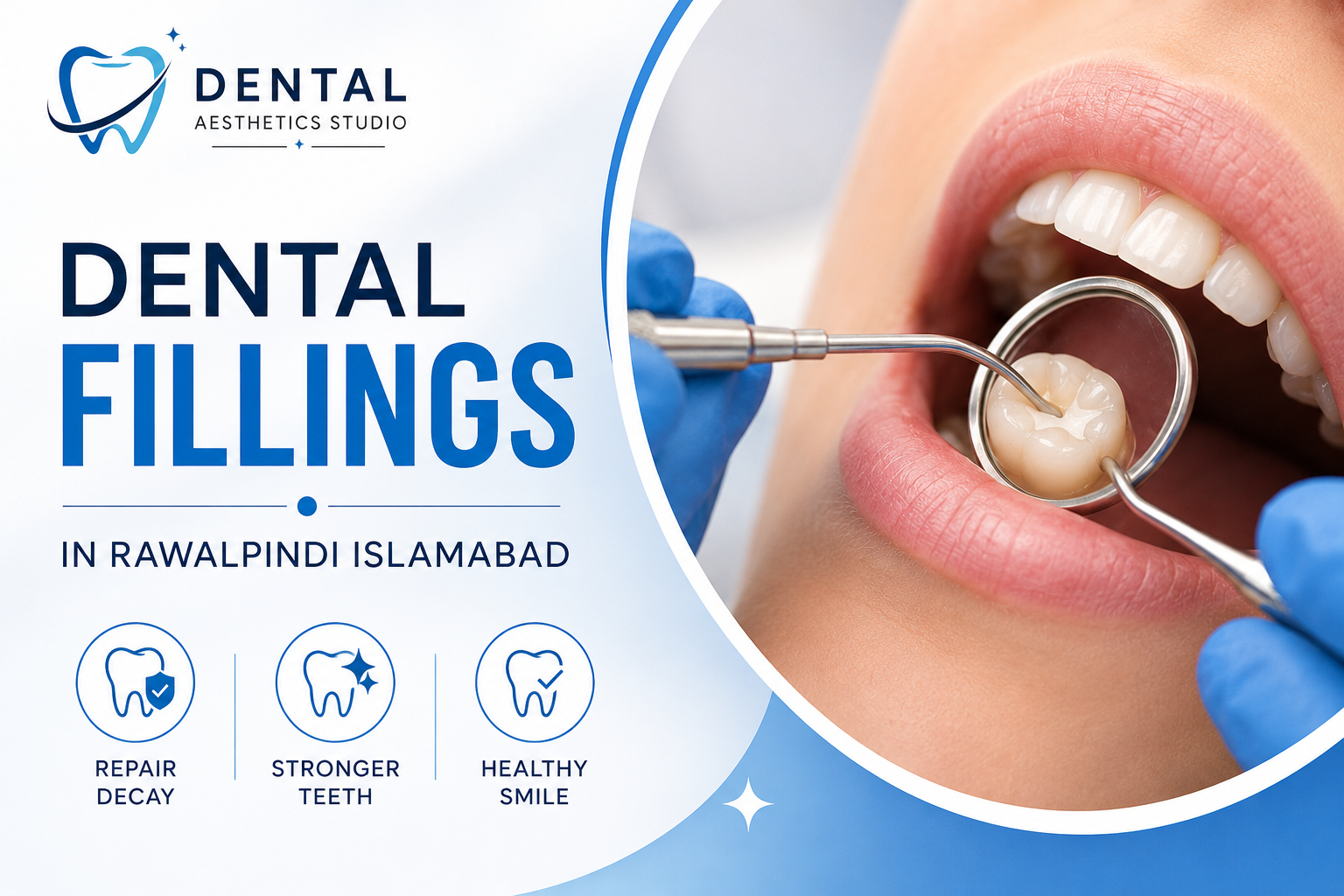
Dental fillings can range from straightforward restorations to more complex procedures, depending on the condition of the tooth. A simple filling usually repairs a small area of decay, while a complex filling may involve extensive decay, multiple surfaces, or significant loss of tooth structure.
Understanding the difference between dental fillings can help you understand why treatment may vary from one tooth to another. Your dentist will assess the cavity, remaining tooth structure, location, and chewing forces before deciding on the appropriate restoration.
What Is a Simple Dental Filling?:
A simple dental filling is generally used to restore a relatively small cavity where most of the healthy tooth structure remains. The dentist removes the decay, cleans the area, and fills the cavity with an appropriate restorative material.
Because the affected area is limited, the procedure is often straightforward and can usually be completed during a single appointment.
What Is a Complex Dental Filling?:
A complex filling may be required when decay affects a larger portion of the tooth or extends across multiple surfaces. The restoration may involve more preparation and careful shaping to restore the tooth's function.
Complex restorations may also be considered when a tooth has an old filling that needs replacement or when additional tooth structure has been damaged.
Simple vs Complex Fillings: Main Difference:
The main difference is the extent and complexity of the tooth damage. A simple filling generally involves a small, localized cavity, while a complex filling may restore a larger area and require more extensive preparation.
The treatment approach depends on the individual tooth rather than simply the number of surfaces involved.
How Is a Simple Filling Performed?:
The dentist first examines the tooth and identifies the decayed area. Local anesthesia may be used when necessary to keep the procedure comfortable.
The decay is removed, the cavity is cleaned and prepared, and the selected filling material is placed. The dentist then shapes and polishes the restoration and checks the bite.
How Is a Complex Filling Performed?:
A complex filling requires more careful planning because a larger portion of the tooth may be affected. The dentist removes the damaged structure while trying to preserve as much healthy tooth tissue as possible.
The restorative material is then placed and shaped to restore the tooth's contours and function. Depending on the extent of damage, additional treatment may be required.
Simple vs Complex Fillings: Materials Used:
Composite resin is commonly used for both simple and complex restorations when appropriate. Other materials, such as amalgam, glass ionomer, or indirect ceramic restorations, may also be considered depending on the clinical situation.
The dentist selects the material according to factors such as tooth location, cavity size, aesthetic requirements, moisture control, and chewing pressure.
Which Filling Takes More Time?:
Simple fillings usually require less treatment time because the cavity is smaller and involves less preparation.
Complex fillings can take longer because the dentist may need to restore multiple surfaces, rebuild more tooth structure, or carefully adjust the restoration to ensure a comfortable bite.
Are Complex Fillings More Painful?:
The level of discomfort depends on the depth of decay and individual sensitivity rather than complexity alone. Local anesthesia can generally be used to keep the procedure comfortable.
Some sensitivity may occur after either type of filling. If pain is severe, persistent, or becomes worse, the treated tooth should be evaluated by a dentist.
Which Is More Durable?:
The durability of a filling depends on the material, size, tooth location, bite forces, oral hygiene, and placement technique.
A complex restoration may be exposed to greater stress because it replaces more tooth structure. In some cases, a crown or indirect restoration may provide greater protection if the tooth is significantly weakened.
When Does a Complex Filling Need a Crown?:
A large cavity can leave insufficient tooth structure to support a conventional filling. If the tooth is severely weakened, a crown may be recommended to provide additional coverage and protection.
The decision depends on the remaining healthy structure, location of the tooth, chewing forces, cracks, and overall condition of the restoration.
Simple vs Complex Fillings: Cost Differences:
Simple fillings are generally less expensive because they require less material and treatment time. Complex fillings may cost more because they involve a larger restoration and potentially more treatment steps.
The final cost depends on the filling material, tooth location, size of the cavity, and complexity of the case. A dental examination is necessary for an accurate estimate.
Can a Complex Filling Be Replaced?:
Yes, a complex filling can sometimes be repaired or replaced if it becomes worn, damaged, or affected by new decay.
However, repeated replacement may require additional removal of tooth structure. If the restoration has become very large, your dentist may recommend an inlay, onlay, or crown instead.
Simple vs Complex Fillings for Front Teeth:
Small cavities or minor damage to front teeth can often be restored with tooth-colored composite. This material can be shaped and polished to blend with surrounding enamel.
More extensive front-tooth damage may require a larger composite restoration or another aesthetic treatment, depending on the amount of tooth structure remaining.
Simple vs Complex Fillings for Back Teeth:
Back teeth experience greater chewing forces. Small cavities may be treated with conventional fillings, while larger restorations require careful consideration of strength and structural support.
If a molar has extensive damage, an indirect restoration or crown may sometimes be more appropriate than a large direct filling.
What About Dental Implants?:
Fillings are used to repair natural teeth, whereas dental implants are used to replace missing teeth. They are therefore different treatments with different purposes.
If a tooth cannot be restored and needs to be removed, dental implants in Islamabad may be considered after a professional dental assessment.
How to Care for Simple and Complex Fillings:
Brush your teeth twice daily with fluoride toothpaste and floss every day to help prevent new decay. Maintaining good oral hygiene can help protect both the filling and surrounding tooth structure.
Avoid chewing ice and extremely hard objects, and attend regular dental checkups. Your dentist can monitor the restoration and identify potential problems early.
Final Thoughts on Simple vs Complex Dental Fillings:
Simple fillings generally treat small areas of decay with relatively straightforward preparation. Complex fillings may involve larger cavities, multiple tooth surfaces, or greater loss of tooth structure and may require more detailed treatment.
The best restoration depends on the tooth's condition, cavity size, location, remaining structure, and chewing forces. For professional restorative dental care and personalized treatment guidance, visit Dental Aesthetics Studio.

 English
 Arabic
 French
 Spanish
 Portuguese
 Deutsch
 Turkish
 Dutch
Dutch
 Italiano
 Romaian
 Portuguese (Brazil)
 Greek
Greek