


Does Correct Peptizing Agent Dosage Optimize Mooney Viscosity? YG-1 Answers
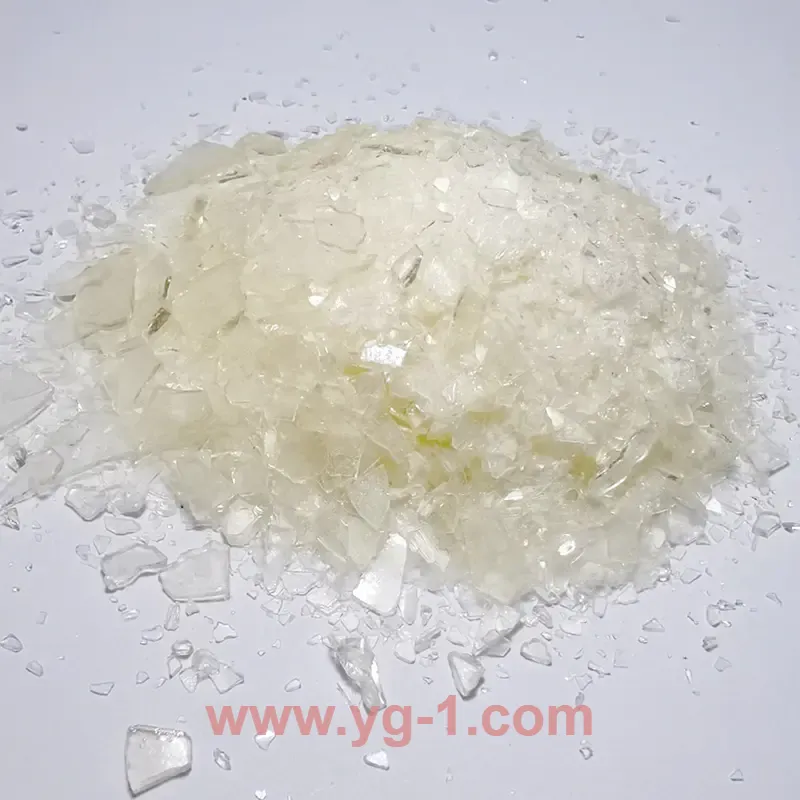
Dosage Optimization for Peptizing Agent Viscosity Control
Rubber compounders face a fundamental challenge when processing high-viscosity natural rubber: achieving adequate flow without excessive energy consumption or polymer degradation. The addition of a Peptizing agent provides a chemical solution to this problem, breaking down molecular chains through controlled reactions that reduce viscosity. YG-1, manufactured by Taizhou Huangyan Donghai Chemical Co., Ltd., supplies the agent with documented dosage-effect relationships derived from extensive rubber compounding experience. What dosage range optimizes Mooney viscosity reduction while preserving final product properties?
The recommended dosage range for the agent typically falls between 0.1 and 1.0 parts per hundred parts of rubber (phr), depending on the rubber type, initial Mooney viscosity, and processing conditions. Natural rubber grades with high molecular weight require higher dosages within this range to achieve measurable viscosity reduction. The 0.5 phr level represents a common starting point for most applications, with adjustments made based on specific compound requirements. YG-1 provides compounders with specific dosage recommendations that account for the rubber type and processing equipment characteristics, preventing both inadequate viscosity reduction and excessive polymer breakdown.
Mooney viscosity response to the agent's addition follows a predictable dose-response curve that plateaus at higher concentrations. Low dosages below 0.15 phr produce minimal viscosity reduction, offering little processing benefit. The most efficient viscosity reduction occurs between 0.2 and 0.7 phr, where each increment of the product produces measurable viscosity decrease. YG-1's peptizing agent products show linear viscosity reduction within this concentration range, supporting precise control of processing behavior. Dosages exceeding 0.8 phr produce limited additional viscosity reduction while increasing the risk of excessive molecular degradation.
The relationship between dosage and Mooney viscosity involves both direct chemical effects and secondary influences on processing. Direct chemical action breaks molecular chains at the rubber's surface, producing lower molecular weight fragments that reduce bulk viscosity. This viscosity reduction affects mill mixing, extrusion characteristics, and flow behavior during molding. YG-1 recommends dosage determination based on target Mooney viscosity rather than fixed recipes, ensuring that each compound achieves its required processing characteristics. This viscosity-targeted approach accommodates variations in raw rubber properties and processing equipment.
Mixing procedure affects the efficiency of the product's activity and the resulting viscosity reduction. Temperature control during mixing activates the agent, with higher temperatures within the recommended range accelerating the viscosity reduction process. However, excessive temperature may cause unwanted polymer degradation or premature reactions. YG-1 provides processing temperature recommendations that optimize the agent's activity without risking scorch or degradation. These temperature guidelines help compounders achieve consistent viscosity reduction across production batches.
Time dependence of the product's action affects both mixing efficiency and final viscosity. The viscosity reduction reaction proceeds gradually during mixing, requiring sufficient residence time for complete effectiveness. Inadequate mixing time produces incomplete viscosity reduction, while excessive mixing may cause additional degradation. YG-1 advises compounders to monitor viscosity development during mixing to determine the endpoint for optimal processing. This time monitoring ensures that the agent achieves its intended viscosity reduction without over-processing the rubber compound.
Test methods for determining dosage effectiveness include Mooney viscosity measurement, capillary rheometry, and processing behavior observation. Mooney viscosity, measured according to ASTM D1646, provides a standardized indication of processability. YG-1 recommends establishing a baseline Mooney viscosity for each compound type and then adjusting dosage to achieve the target value. This empirical approach accounts for variations in rubber source, compounding ingredients, and processing equipment that influence the required dosage.
The economic aspect of dosage involves balancing processing efficiency against material cost. Higher dosages produce greater viscosity reduction, which may reduce mixing time, extrusion pressure, and energy consumption. However, the cost of the product itself increases with dosage, and excessive dosages may affect final vulcanizate properties. YG-1 helps compounders identify the optimal cost-performance balance for their specific applications, supporting efficient production without sacrificing rubber compound quality. This optimization represents a practical approach to reducing processing costs.
Quality control procedures should include periodic verification of effectiveness through Mooney viscosity testing. Variations in raw rubber properties or processing conditions may require dosage adjustment to maintain consistent viscosity. YG-1 provides technical support that helps compounders establish QC protocols for monitoring performance. This ongoing monitoring ensures processing consistency despite raw material variations and changing production conditions.
The correct Peptizing agent dosage reduces Mooney viscosity to a level that enables efficient processing while maintaining polymer integrity for final product performance. YG-1's technical guidance, combined with careful viscosity monitoring, supports consistent viscosity reduction across production batches. Explore the product documentation and dosage recommendations available through https://www.yg-1.com/ to optimize your Peptizing agent usage for processing efficiency.

 English
 Arabic
 French
 Spanish
 Portuguese
 Deutsch
 Turkish
 Dutch
Dutch
 Russian
 Romaian
 Portuguese (Brazil)
 Greek
Greek