


Who Is a Good Candidate for Mini Gastric Bypass Surgery
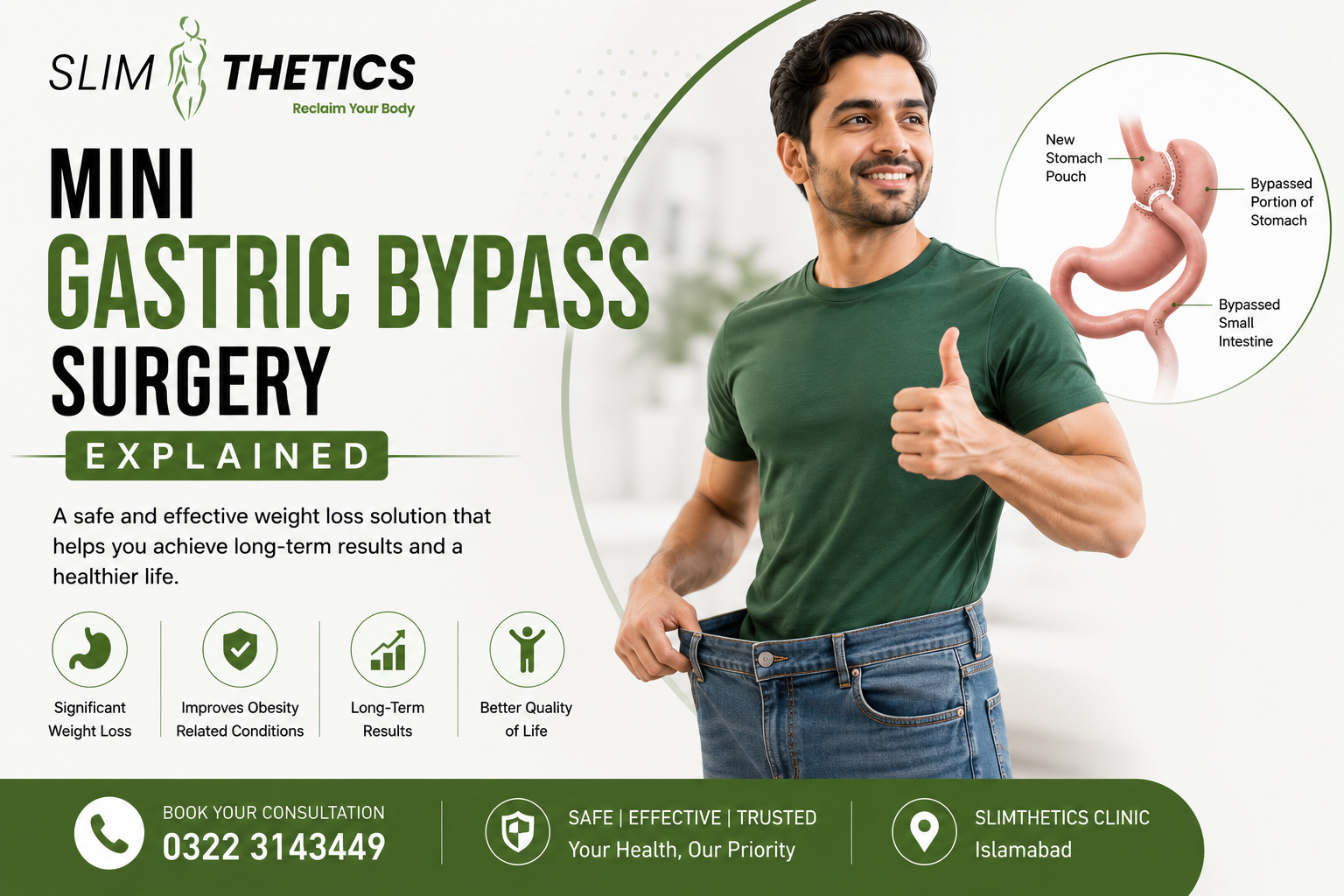
Mini gastric bypass is a bariatric procedure designed to support significant and sustained weight loss by reducing stomach capacity and changing how food is digested and absorbed. It may also help improve obesity related health conditions such as type 2 diabetes, high blood pressure, and sleep apnea. However, it is not suitable for everyone, and careful medical assessment is important before deciding on surgery.
For people considering Mini Gastric Bypass Surgery in Islamabad, understanding the eligibility criteria can help them determine whether this procedure may be appropriate for their health and weight loss goals. A bariatric surgeon evaluates factors such as body mass index, existing medical conditions, previous weight loss attempts, nutritional health, and readiness to maintain long term lifestyle changes.
What Is Mini Gastric Bypass Surgery
Mini gastric bypass in Islamabad, also known as one anastomosis gastric bypass, is a type of metabolic and bariatric surgery. The procedure creates a smaller stomach pouch and connects it to a section of the small intestine.
- The smaller stomach pouch limits the amount of food that can be consumed at one time.
- The altered digestive pathway can reduce the amount of calories and nutrients absorbed.
- Hormonal and metabolic changes may help decrease appetite and improve blood sugar control.
- The procedure is generally performed using minimally invasive laparoscopic techniques.
Who May Be a Good Candidate for Mini Gastric Bypass Surgery
Not every person who wants to lose weight is automatically a candidate for gastric bypass. Eligibility is determined individually after a medical evaluation.
People With Severe Obesity
Individuals with severe obesity may be considered for bariatric surgery when lifestyle measures have not provided sufficient or lasting weight loss.
- Candidates may have a high BMI that places them at increased risk of obesity related complications.
- Surgery may be considered when obesity significantly affects physical health or daily activities.
- The exact eligibility criteria depend on current clinical guidelines and the individuals overall medical condition.
People Who Have Tried Other Weight Loss Methods
Bariatric surgery is generally considered after reasonable attempts at non surgical weight management.
- Previous approaches may include structured diets and exercise programs.
- Some people may have tried medically supervised weight loss programs.
- Weight loss medications may also have been considered when medically appropriate.
- Surgery can provide another treatment option when significant weight loss has been difficult to achieve or maintain.
People With Obesity Related Health Conditions
Mini gastric bypass may be particularly beneficial for individuals whose obesity is contributing to other health problems.
- Type 2 diabetes
- High blood pressure
- Obstructive sleep apnea
- Abnormal cholesterol levels
- Fatty liver disease
- Joint problems associated with excess weight
- Other obesity related metabolic conditions
Weight loss following bariatric surgery may improve some of these conditions, although individual results vary.
BMI and Mini Gastric Bypass Eligibility
Body mass index is one of the factors surgeons use when assessing whether bariatric surgery may be appropriate. BMI is calculated using height and weight, but it should not be considered the only measure of health.
Traditional BMI Criteria
Historically, bariatric surgery has commonly been considered for people with a BMI of 40 or higher, or those with a BMI of 35 or higher along with significant obesity related health conditions.
- BMI is used as an initial screening measurement.
- Medical history provides additional information about obesity severity.
- Existing health conditions can influence the treatment recommendation.
- A surgeon may consider several factors rather than relying on BMI alone.
Updated Eligibility Considerations
Modern bariatric guidelines increasingly recognize that BMI alone does not capture the full impact of obesity.
- Metabolic health can be considered alongside BMI.
- The presence of obesity related diseases may influence treatment decisions.
- Previous weight management efforts may be reviewed.
- The patients ability to safely undergo surgery is also important.
Because eligibility criteria can vary according to individual circumstances, a consultation with a qualified bariatric surgeon is recommended.
Medical Conditions That May Make Surgery Beneficial
One of the major reasons people consider bariatric surgery is to improve health rather than simply change their appearance.
Type 2 Diabetes
Mini gastric bypass may produce significant metabolic improvements in some people with type 2 diabetes.
- Weight loss can improve insulin sensitivity.
- Changes in gut hormones may influence glucose metabolism.
- Some patients may experience improved blood sugar control.
- Diabetes medications may need adjustment under medical supervision.
Surgery should not be viewed as a guaranteed cure for diabetes because outcomes differ between individuals.
High Blood Pressure
Obesity is strongly associated with hypertension. Losing excess weight may help reduce blood pressure in suitable patients.
- Weight reduction can decrease cardiovascular strain.
- Some patients may require fewer blood pressure medications.
- Blood pressure still needs regular monitoring after surgery.
Sleep Apnea
Excess weight can contribute to obstructive sleep apnea by affecting the upper airway and respiratory system.
- Weight loss may reduce the severity of sleep apnea.
- Better sleep quality may improve daytime energy.
- Patients should continue prescribed sleep apnea treatment until their doctor confirms it is no longer required.
Psychological Readiness Is Important
Successful bariatric surgery involves more than the procedure itself. Patients must be prepared to make long term changes in eating habits, physical activity, and follow up care.
Understanding the Lifestyle Changes
Candidates should understand that surgery is a tool rather than an instant solution.
- Portion sizes will be significantly smaller after surgery.
- Eating too quickly can cause discomfort.
- Protein and nutrient intake become important.
- Regular physical activity supports long term results.
- Follow up appointments help monitor progress.
Emotional and Mental Preparedness
A bariatric team may assess emotional wellbeing and eating behaviors before surgery.
- Patients should understand the expected benefits and limitations.
- Emotional eating may require additional support.
- Unrealistic expectations should be addressed before surgery.
- Counseling or psychological support may be recommended when appropriate.
Who May Not Be an Ideal Candidate
Mini gastric bypass is major surgery and may not be appropriate for everyone.
Certain Medical Conditions
Some medical problems may increase surgical risks or require treatment before surgery.
- Severe uncontrolled medical conditions may need stabilization.
- Certain gastrointestinal conditions may influence the choice of procedure.
- Nutritional deficiencies may need correction before surgery.
- Previous abdominal surgeries can affect surgical planning.
Inability to Follow Post Surgery Recommendations
Long term commitment is essential after bariatric surgery.
- Patients need to follow dietary instructions.
- Vitamin and mineral supplementation may be required.
- Regular medical follow ups are important.
- Smoking cessation may be strongly recommended because smoking can increase surgical and healing risks.
The final decision should always be made by a qualified bariatric team after a complete assessment.
What Happens During a Mini Gastric Bypass Consultation
A consultation allows the surgeon to determine whether the procedure is suitable for your individual needs.
Medical Assessment
The healthcare team may review:
- Current weight and BMI
- Medical history
- Previous surgeries
- Existing medications
- Weight loss attempts
- Obesity related health conditions
- Nutritional status
- Eating patterns
- Physical activity
- Psychological readiness
Diagnostic Tests
Depending on the patients condition, the medical team may recommend different tests before surgery.
- Blood tests
- Blood glucose assessment
- Liver function testing
- Nutritional evaluation
- Cardiac assessment when indicated
- Other investigations based on medical history
These assessments help identify potential risks and ensure that surgery is planned safely.
Benefits of Mini Gastric Bypass Surgery
For appropriately selected patients, mini gastric bypass can provide substantial weight loss and metabolic benefits.
Potential Benefits
- Significant weight reduction
- Improved blood sugar control
- Possible improvement in high blood pressure
- Potential improvement in sleep apnea
- Better mobility
- Reduced strain on weight bearing joints
- Improved metabolic health
- Potential improvement in quality of life
The amount of weight loss varies from person to person and depends on factors such as starting weight, adherence to dietary recommendations, physical activity, and long term follow up.
Possible Risks and Complications
Like all major surgical procedures, mini gastric bypass has potential risks. Patients should discuss these risks with their surgeon before making a decision.
Short Term Risks
- Bleeding
- Infection
- Blood clots
- Leakage from surgical connections
- Reactions to anesthesia
- Abdominal discomfort
- Nausea or vomiting
Long Term Considerations
- Nutritional deficiencies
- Vitamin and mineral deficiencies
- Changes in bowel habits
- Acid reflux or gastrointestinal symptoms
- Gallstones following rapid weight loss
- Weight regain
- Need for ongoing nutritional monitoring
Following the surgeons dietary, medication, supplement, and follow up recommendations can help reduce preventable complications.
Diet After Mini Gastric Bypass Surgery
Dietary changes are an important part of recovery and long term weight management.
Early Recovery Diet
Patients generally progress through different food stages according to their surgeons and dietitians recommendations.
- Clear liquids may be introduced initially.
- Other liquids may follow as tolerated.
- Pureed foods may be introduced during a later stage.
- Soft foods are gradually added.
- Regular healthy foods are introduced progressively.
The exact timeline varies between patients and should be determined by the treating medical team.
Long Term Eating Habits
After recovery, patients are usually encouraged to focus on nutrient dense foods.
- Prioritize protein rich foods.
- Eat small portions.
- Chew food thoroughly.
- Stay adequately hydrated.
- Limit highly sugary foods and drinks.
- Avoid excessive high calorie foods.
- Follow recommended vitamin and mineral supplementation.
Mini Gastric Bypass Surgery Recovery
Recovery differs depending on the individuals health, surgical approach, and postoperative progress.
First Few Weeks
Patients generally need time to gradually return to normal activities.
- Follow the prescribed diet carefully.
- Take medications and supplements as instructed.
- Avoid strenuous activities until cleared by the surgeon.
- Attend scheduled follow up appointments.
- Report unusual symptoms promptly.
Returning to Normal Activities
Many patients gradually resume everyday activities after surgery, but the timing varies.
- Light walking is usually encouraged as part of recovery.
- Heavy lifting should be avoided until medically cleared.
- Exercise can be increased gradually.
- Work schedules should be discussed with the surgical team.
How to Prepare for Mini Gastric Bypass Surgery
Preparation can improve the overall surgical experience and help patients understand what to expect.
Before Surgery
- Attend all preoperative appointments.
- Complete recommended medical tests.
- Follow the prescribed preoperative diet if required.
- Discuss all medications and supplements with your doctor.
- Stop smoking if advised.
- Arrange transportation and support for the recovery period.
- Learn about postoperative nutrition and lifestyle requirements.
Why Choosing the Right Bariatric Team Matters
The quality of care does not depend only on the operation itself. Bariatric surgery requires appropriate patient selection, experienced surgical care, nutritional guidance, and long term follow up.
When researching Mini Gastric Bypass Surgery in Islamabad, patients should consider the surgeons experience, the clinics bariatric services, preoperative evaluation, postoperative monitoring, nutritional support, and the availability of follow up care.
Frequently Asked Questions
Is Mini Gastric Bypass Suitable for Everyone
No. Suitability depends on BMI, medical history, obesity related conditions, previous weight loss efforts, nutritional health, and psychological and lifestyle readiness.
How Much Weight Can I Lose After Mini Gastric Bypass
Weight loss varies considerably between individuals. Your surgeon can provide a more personalized expectation after reviewing your starting weight, BMI, health conditions, and other factors.
Is Mini Gastric Bypass Better Than Gastric Sleeve
Neither procedure is universally better. Both have different mechanisms, benefits, risks, and eligibility considerations. A bariatric surgeon can help determine which option is more suitable for your situation.
How Long Does Mini Gastric Bypass Take
The duration of surgery varies depending on the patient and surgical circumstances. Your surgeon can explain the expected procedure time during consultation.
Will I Need Vitamins After Surgery
Nutritional supplementation is commonly required after gastric bypass because the procedure can affect nutrient intake and absorption. Your medical team will recommend appropriate supplements and monitoring.
Can Mini Gastric Bypass Improve Diabetes
It can significantly improve blood sugar control in many suitable patients, but individual outcomes vary. Diabetes management should continue under medical supervision.
Take the Next Step Toward Healthier Weight Management
If obesity is affecting your health, mobility, confidence, or quality of life, bariatric surgery may be worth discussing with a qualified specialist. At Slimthetics Clinic, patients can receive personalized bariatric evaluation, surgical guidance, nutritional counseling, and postoperative support based on their individual health needs. Our experienced team focuses on helping suitable candidates understand their options and make informed decisions about Mini Gastric Bypass Surgery in Islamabad with a structured approach to long term weight management.
 Portuguese
 English
 Arabic
 French
 Spanish
 Deutsch
 Turkish
 Dutch
Dutch
 Italiano
 Russian
 Romaian
 Portuguese (Brazil)
 Greek
Greek