


Juvederm Treatment in Dubai for Nasolabial Folds
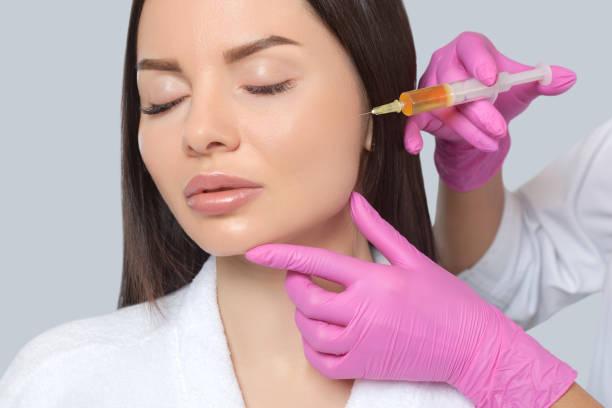
Nasolabial folds are the lines that extend from the sides of the nose toward the corners of the mouth. Their appearance can become more noticeable with changes in facial volume, skin elasticity, tissue movement, and the underlying structure of the midface. Juvederm Treatment in Dubai may be considered when a qualified clinician determines that a hyaluronic acid filler is appropriate for the individual's anatomy and aesthetic concern.
The goal is not simply to “erase” every facial line. A thoughtful assessment looks at why the fold has become prominent and whether treating the fold itself, nearby volume loss, or a combination of factors is the most appropriate approach.
What Are Nasolabial Folds?
Nasolabial folds are natural anatomical contours of the face. They are present to some degree in most people and can become more visible as facial structure changes over time.
Several factors can influence their appearance, including:
- Natural facial anatomy
- Aging-related volume changes
- Changes in skin elasticity
- Midface tissue descent
- Facial movement
- Genetics
- Changes in body weight
- Sun-related skin changes
Because several structures contribute to the appearance of a nasolabial fold, the most visible line is not always the only feature that needs consideration.
Why Nasolabial Folds Become More Noticeable
Changes in Facial Volume
Facial aging can involve changes in the distribution and volume of soft tissue.
When the relationship between the cheek, midface, and lower facial structures changes, a previously subtle nasolabial contour may become more pronounced.
This is one reason why simply placing filler directly into a visible line may not always be the preferred strategy.
Skin Elasticity
Collagen and elastin changes can reduce the skin's ability to return to its previous position after repeated facial movement.
As skin becomes less elastic, existing facial contours can appear deeper or more defined.
Facial Movement
The nasolabial region moves repeatedly during smiling, speaking, eating, and other expressions.
A treatment plan therefore needs to account for the dynamic nature of this area rather than treating the fold as a static crease.
How Juvederm May Be Considered for Nasolabial Folds
JUVÉDERM products are hyaluronic acid-based dermal fillers, and specific products within the collection have different approved indications and characteristics.
Depending on the patient's anatomy and the product being considered, a clinician may use filler to address certain facial folds or restore volume in appropriate areas.
The exact approach depends on the assessment rather than the presence of a fold alone.
Direct Fold Treatment
In selected patients, filler may be placed in or around the nasolabial fold to soften its appearance.
The amount and placement depend on the depth of the fold, surrounding tissue, facial proportions, and the desired degree of correction.
Addressing Nearby Volume Changes
In some patients, the appearance of the nasolabial fold is influenced partly by changes in the cheek or midface.
The clinician may therefore evaluate adjacent structures before deciding where filler should be placed.
This does not mean every patient needs cheek filler. It means the entire anatomical relationship should be considered before choosing the injection site.
What Should Be Assessed Before Treatment?
A proper consultation should examine more than the visible line.
Important considerations can include:
- Depth and shape of the nasolabial fold
- Midface volume and contour
- Skin quality
- Facial symmetry
- Facial movement
- Previous dermal filler
- Medical history and allergies
- Desired degree of correction
- Appropriate product selection
- Whether a nonsurgical approach is suitable
Research on facial fillers emphasizes patient selection, product characteristics, and clinician expertise as important components of treatment planning.
Why More Filler Is Not Always the Answer
A deeper nasolabial fold does not automatically require a larger quantity of filler.
Overcorrection can alter facial proportions and may produce an appearance that does not match the patient's intended result.
A conservative, staged approach may sometimes be preferable, particularly when the clinician needs to evaluate how the tissue responds before considering additional correction.
The appropriate amount is therefore individualized.
Juvederm Treatment in Dubai: Product Selection Matters
JUVÉDERM is a product family rather than one identical filler.
Different formulations have different characteristics and approved applications. Product selection should therefore consider the treatment area and the intended correction.
Factors that may influence selection include:
- The location of the planned injection
- Desired correction
- Tissue characteristics
- Required support
- Facial movement
- Existing filler
- Product-specific indications
- Clinician experience
Patients should ask which product is being recommended and why it is appropriate for their particular treatment plan.
How the Treatment Approach May Differ Between Patients
Two people can have similarly visible nasolabial folds but require different treatment strategies.
For example, one person may have relatively good midface support with a localized fold. Another may have broader changes in cheek volume and skin elasticity.
This distinction is important because the visible symptom does not necessarily identify the underlying anatomical cause.
Mild Nasolabial Folds
For subtle folds, the clinician may determine that a conservative correction is sufficient, depending on the patient's anatomy and goals.
Moderate Folds
Moderate folds may require more detailed assessment of surrounding facial structures before treatment.
The clinician may consider whether direct treatment or another approach would provide a more balanced result.
More Pronounced Folds
Deep or structurally significant folds may have limitations when treated with filler alone.
A consultation should establish what improvement is realistically achievable and whether nonsurgical treatment is appropriate.
What About Smile Lines?
“Smile lines” is a common everyday term that can refer to facial lines around the mouth. Nasolabial folds are one specific anatomical feature within this broader area.
Using precise terminology during consultation can help ensure that the patient and clinician are discussing the same concern.
The treatment plan should be based on the actual anatomy rather than a general label.
What Can Patients Expect During Treatment?
The treatment itself involves injecting the selected dermal filler into predetermined areas using a medical injection technique.
The clinician will typically assess the face before treatment and determine appropriate placement based on anatomy and the intended correction.
Temporary effects can occur around injection sites, including:
- Swelling
- Redness
- Tenderness
- Bruising
- Firmness
- Itching
- Lumps or bumps
These reactions can vary between individuals.
Can Nasolabial Folds Be Completely Removed?
No cosmetic injectable can be expected to permanently eliminate every natural facial contour.
Nasolabial folds are part of normal facial anatomy, and their appearance can change with expression, aging, skin quality, and other factors.
The realistic objective is generally improvement rather than complete removal.
How Long Can Results Last?
The duration of HA filler results varies.
It can depend on the specific JUVÉDERM product, treatment area, amount used, individual metabolism, facial movement, and other patient-specific factors.
Patients should therefore avoid assuming that a single advertised duration applies universally.
When May Filler Not Be the Best Option?
Dermal filler may not address every cause of pronounced nasolabial folds.
For some patients, skin laxity, significant structural changes, or other age-related factors may contribute more strongly to the appearance.
In these circumstances, a clinician may explain that filler can provide limited improvement or that another treatment approach may be more appropriate.
A good consultation should include these limitations rather than promising a specific outcome.
Safety Considerations
Dermal filler injections carry potential risks in addition to temporary injection-site reactions.
Rare but serious complications can occur if filler enters a blood vessel. These may include vascular occlusion, tissue injury, visual impairment, or stroke.
This is why treatment should be performed by a qualified medical professional with appropriate knowledge of facial anatomy and management of potential complications.
Patients should also disclose allergies, previous filler treatments, relevant medical history, and current medications before treatment.
Questions to Ask Before Nasolabial Fold Filler
Before undergoing treatment, patients may want to ask:
- Which JUVÉDERM product is being considered?
- Why is this product appropriate for my anatomy?
- Will the fold itself be treated?
- Do surrounding facial structures need to be assessed?
- What level of improvement is realistic?
- What temporary reactions can occur?
- What complications should I understand?
- Do I have existing filler in the area?
- Would staged treatment be appropriate?
These questions can make the consultation more informative and help establish realistic expectations.
Frequently Asked Questions About Juvederm Treatment in Dubai
Can Juvederm treat nasolabial folds?
It may be appropriate for selected patients, depending on the specific product, anatomy, and treatment objective.
Are nasolabial folds the same as smile lines?
Not exactly. Nasolabial folds are a specific facial contour extending from the nose toward the mouth, while “smile lines” can be used more broadly.
Does deeper nasolabial folding require more filler?
Not necessarily. The amount depends on anatomy, tissue characteristics, product selection, and the desired correction.
Can cheek volume affect nasolabial folds?
Yes. Changes in midface volume and support can influence how prominent the nasolabial region appears.
Will Juvederm completely remove nasolabial folds?
No. The realistic goal is improvement rather than permanent elimination of a natural facial contour.
Is one Juvederm product suitable for every patient?
No. Different products have different characteristics and approved applications, so selection should be individualized.
How long do Juvederm results for nasolabial folds last?
Duration varies according to the specific product, treatment area, individual factors, and other variables.
Can nasolabial fold filler have complications?
Yes. Common temporary reactions include swelling, bruising, redness, and tenderness, while rare serious vascular complications can also occur.
Should previous filler be disclosed?
Yes. Previous dermal filler treatment should always be discussed during the consultation.
The Strategic Investment
Understanding the anatomy behind nasolabial folds can lead to better treatment decisions than simply searching for the strongest filler or largest correction. Juvederm Treatment in Dubai may be suitable for selected patients, but the appropriate product, placement, amount, and treatment strategy depend on an individualized assessment.
For patients researching Juvederm options in Dubai, a professional consultation can help determine whether the nasolabial fold itself should be treated or whether surrounding facial structures also need consideration. The discussion should include realistic expectations, potential risks, product selection, and the limitations of nonsurgical correction.
For personalized assessment and aesthetic treatment planning, Tajmeels Clinic can provide an opportunity to discuss your facial concerns and understand the available options before deciding whether treatment is appropriate.

 English
 Arabic
 French
 Spanish
 Portuguese
 Deutsch
 Turkish
 Dutch
Dutch
 Russian
 Romaian
 Portuguese (Brazil)
 Greek
Greek