


Which Factors Matter When Choosing Qinlang Portable Axial Fan Manufacturer
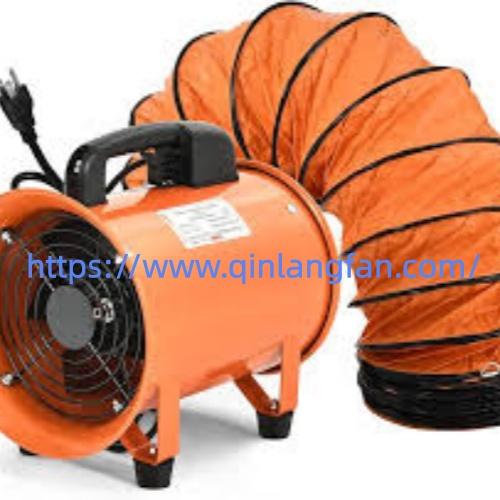
Portable Axial Fan Manufacturer selection can shape the entire purchasing experience, especially when ventilation equipment will be used across workshops, construction areas, warehouses, maintenance sites, or enclosed working spaces. Buyers are not simply choosing a machine that moves air. They are choosing a supplier that needs to understand operating conditions, electrical requirements, airflow expectations, installation methods, and the practical demands of daily use. A clear evaluation at the beginning can prevent many problems later.
Airflow is naturally one of the first things buyers look at, but the number shown on a product sheet should not be considered alone. The actual requirement depends on the size of the space, the distance air needs to travel, whether ducting is involved, and how much resistance exists along the airflow path. Duct length, bends, filters, and other restrictions can affect actual performance, so asking for operating data under relevant conditions is useful when comparing models.
The working environment deserves the same attention. A unit used in an open workshop may have different requirements from equipment used around a tunnel, basement, tank, utility area, or temporary construction space. In enclosed locations, flexible ducting may be needed to send fresh air toward a specific area or remove unwanted air from the work zone. Research on flexible duct use also shows that friction and bending can reduce airflow, which makes system layout an important part of product selection.
Motor configuration is another point worth discussing before an order is confirmed. Voltage, frequency, power supply, running conditions, and expected operating time should match the location where the equipment will be installed. Buyers working across different markets may also need different electrical configurations. Rather than choosing a motor simply because its power rating looks attractive, it makes sense to discuss the complete operating requirement with the supplier.
Physical construction matters too, particularly for equipment that will be moved between work areas. A practical design should make handling straightforward while providing suitable protection for the motor and internal components. Housing structure, fan blade design, protective guards, base construction, handles, connection points, and maintenance access can all influence everyday use. These details may seem small when viewed separately, yet they become noticeable when equipment is carried, positioned, cleaned, and operated repeatedly.
Customization can also be important for commercial buyers. One project may require a particular diameter, motor configuration, power supply, duct connection, mounting arrangement, or other specification. A supplier with its own product development and manufacturing capabilities can communicate more directly about whether a requested configuration is workable. Qinlang describes its business as covering fan design, development, production, and marketing, with products intended for industrial manufacturing and construction applications.
Another useful question concerns consistency. Buyers placing repeat orders need equipment that follows the agreed specifications from one production batch to another. Clear drawings, technical documents, inspection procedures, and communication before production can make a real difference. It is also worth asking how specifications are confirmed, how finished products are checked, and what information will be provided before shipment.
Application knowledge should remain part of the conversation. Portable ventilation equipment can be used for cooling, general air circulation, temporary ventilation, drying, and air movement in areas where permanent systems are unavailable. Qinlang also presents handheld and portable models in several sizes, showing that different working situations may call for different configurations rather than one universal solution.
For buyers, the smartest approach is usually quite practical. Prepare the required airflow, working area, duct length if applicable, power supply, operating temperature, installation method, and expected working schedule before contacting a supplier. With those details available, technical discussions become much clearer and model selection becomes easier.
A supplier should also be willing to discuss the application rather than simply send a product list. That conversation can reveal whether a selected configuration fits the actual job, whether additional accessories are needed, and whether a different setup would make installation easier. Qinlang provides a range of fan products for industrial ventilation and cooling applications, giving buyers room to compare configurations according to their working conditions.
In the end, choosing ventilation equipment is about matching practical requirements with dependable manufacturing support. Airflow, motor selection, construction, mobility, electrical compatibility, application conditions, and customization all deserve attention before purchase. Buyers looking through available models and configurations can visit Qinlang product information at https://www.qinlangfan.com/product/ and compare options according to their actual project requirements.

 English
 French
 Spanish
 Portuguese
 Deutsch
 Turkish
 Dutch
Dutch
 Italiano
 Russian
 Romaian
 Portuguese (Brazil)
 Greek
Greek