


Why Choose Mansen Waterproof Roof Top Tent With Oxford Cloth Construction
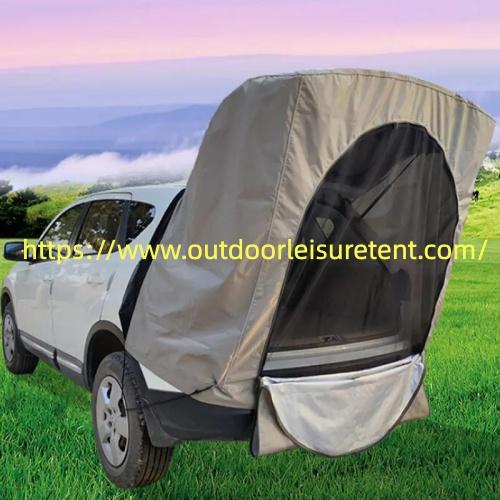
Waterproof Roof Top Tent selection involves more than checking whether a shelter looks suitable in product photographs. Buyers also need to consider fabric construction, moisture protection, structural design, ventilation, packed dimensions, installation, and the conditions in which customers are likely to use the product. These details can influence both purchasing decisions and long term customer experience, especially when retailers plan to introduce the product across different outdoor markets.
Material selection deserves careful attention because fabric specifications can affect resistance to moisture, abrasion, sunlight, and repeated handling. Oxford fabric is commonly used for outdoor shelters because its woven structure can be combined with different coatings to improve water resistance. However, Oxford fabric itself is not a complete performance specification. The coating, fabric weight, construction density, and overall product design all matter.
For buyers considering an Oxford Cloth Tent it is useful to request clear information about the fabric composition and coating rather than relying only on a general material name. Different fabric weights can create different balances between portability and durability. A heavier material may provide a more substantial feel, while a lighter construction can make transportation and handling easier. The suitable choice depends on the intended application and target customer group.
Water management also involves more than the outer fabric. Seams, openings, closures, connection areas, and the floor can influence how moisture behaves during actual use. A well specified product should therefore be evaluated as a complete system. Buyers can ask about seam construction, coating details, floor material, rain protection, and areas that receive additional reinforcement. These questions provide a clearer picture than simply comparing one numerical waterproof rating.
Ventilation is another practical consideration. Outdoor shelters can experience temperature changes between daytime and nighttime, while occupants naturally introduce moisture into the enclosed space. Mesh panels, windows, vents, and suitable openings can help maintain airflow while supporting protection from insects and changing weather. Retailers should consider whether the ventilation arrangement suits the climate and customer habits of the market they serve.
Structure and installation also deserve attention before a bulk purchase. Buyers should review the supporting components, connection points, opening method, mounting requirements, and instructions supplied with the product. A design that looks convenient in photographs may require additional steps during actual installation. Clear documentation and straightforward assembly can make the product easier for customers to use and easier for retailers to explain.
Packed dimensions are equally relevant for distributors and outdoor retailers. A shelter is not only evaluated after installation. It must also be stored, transported, handled, and displayed before reaching the customer. Compact packaging can help with warehouse organization and shipping arrangements, while reasonable weight can make handling more manageable. Buyers should request both expanded and packed dimensions when comparing different models.
Quality inspection should be discussed before production begins. Useful information may include fabric inspection, dimensional checks, seam inspection, accessory verification, finished product testing, and packaging checks. Industry purchasing guidance also recommends comparing actual product evidence with the approved specification rather than relying only on general factory photographs.
Customization can become important when a retailer wants the product to match a particular market. Color, fabric selection, logo placement, packaging, accessories, and configuration may be adjusted depending on the manufacturer's production capabilities. However, buyers should confirm every approved detail before mass production so that the sample and later shipment follow the same specification.
Weather conditions should also be considered during product selection. A shelter intended for occasional summer trips may have different requirements from one marketed toward customers who regularly travel in humid or rainy regions. Retailers can share their target climate, expected usage frequency, customer profile, storage conditions, and transportation requirements with the manufacturer. This gives both sides a clearer basis for product selection.
Mansen can support buyers who want to review material options, structural details, configurations, and application requirements before placing an order. A careful sourcing process helps retailers compare products based on practical factors instead of appearance alone. For product information and available outdoor shelter options, visit https://www.outdoorleisuretent.com/product/
 Spanish
 English
 Arabic
 French
 Portuguese
 Deutsch
 Turkish
 Dutch
Dutch
 Italiano
 Russian
 Romaian
 Portuguese (Brazil)
 Greek
Greek