


Possible Complications of Roux en Y Gastric Bypass Surgery
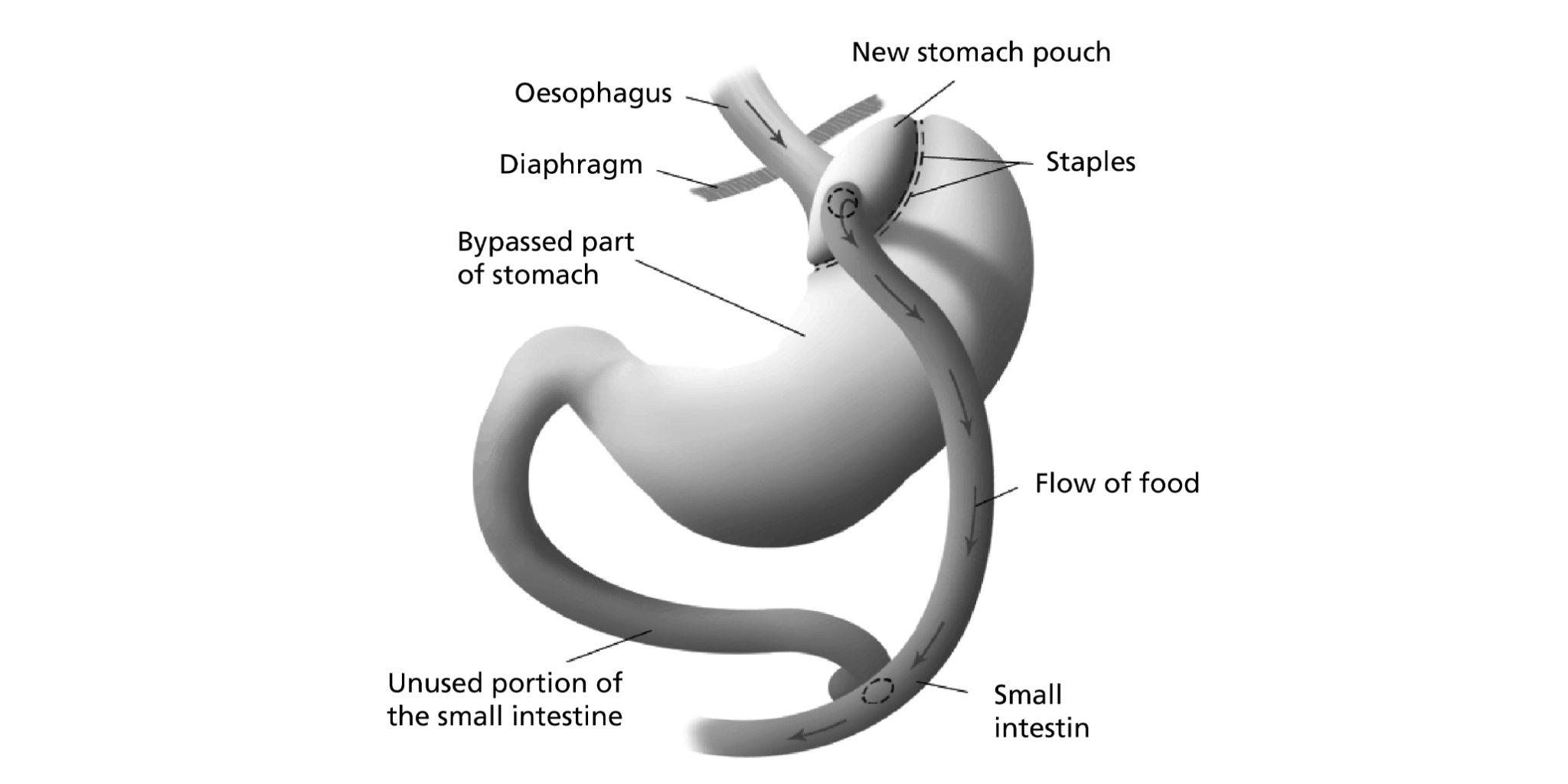
Roux en Y gastric bypass is one of the most established bariatric procedures for treating severe obesity and obesity related health problems. The surgery works by creating a smaller stomach pouch and rerouting part of the digestive tract, which limits food intake and changes nutrient absorption. Although it can provide substantial and lasting weight loss, patients should understand the possible complications before deciding on surgery.
Choosing Roux en Y Gastric Bypass Surgery in Islamabad involves more than understanding the expected weight loss. Patients should learn about short term surgical risks, possible nutritional problems, digestive changes, and long term complications. Knowing these risks allows patients to make informed decisions and prepare for proper follow up care after surgery.
What Is Roux en Y Gastric Bypass Surgery
Roux en Y gastric bypass is a type of metabolic and bariatric surgery designed to help people with obesity achieve significant weight loss and improve obesity related medical conditions.
During the procedure, the surgeon creates a small pouch from the upper part of the stomach. This pouch is then connected directly to a lower section of the small intestine. Food therefore bypasses most of the stomach and the first portion of the small intestine.
How the Procedure Helps With Weight Loss
The procedure supports weight loss through several mechanisms:
- A smaller stomach pouch limits the amount of food that can be consumed at one time.
- Changes in the digestive system can influence hunger and fullness signals.
- Some nutrients and calories are absorbed differently after the intestinal rerouting.
- Metabolic changes can improve conditions such as type 2 diabetes in appropriate patients.
Why Understanding Complications Is Important
Every surgical procedure carries potential risks, and gastric bypass is no exception. The likelihood of complications can vary depending on a patients overall health, surgical history, weight, nutritional status, and adherence to postoperative recommendations.
Factors That Can Affect Risk
Several factors may influence the possibility of complications:
- Existing medical conditions such as diabetes or heart disease
- Previous abdominal surgery
- Severe obesity
- Smoking
- Nutritional deficiencies before surgery
- Poor adherence to dietary and vitamin recommendations
- Lack of appropriate postoperative monitoring
A detailed medical evaluation before surgery helps the bariatric team identify and manage these risk factors.
Early Complications After Roux en Y Gastric Bypass
Some complications can develop during surgery or within the first few days or weeks after the procedure. Modern surgical techniques and appropriate monitoring can help reduce and manage these risks.
Bleeding
Bleeding is a possible complication of any major operation. After gastric bypass, bleeding may occur from surgical areas or blood vessels.
- Minor bleeding may be monitored and treated conservatively.
- Significant bleeding may require blood transfusion or another procedure.
- Patients should report severe weakness, dizziness, increasing abdominal pain, or other concerning symptoms immediately.
Infection
Although infection is not common when appropriate surgical precautions are followed, it can occur after surgery.
- Surgical wound infections may cause redness, swelling, pain, or discharge.
- Deeper infections may be associated with fever and abdominal symptoms.
- Prompt medical assessment is important if infection is suspected.
Anastomotic Leak
An anastomotic leak is one of the more serious potential complications of gastric bypass. It occurs when digestive contents leak from an area where sections of the stomach or intestine have been surgically connected.
- Symptoms can include severe abdominal pain, fever, rapid heart rate, or worsening weakness.
- A leak requires urgent medical assessment.
- Treatment may involve antibiotics, drainage, endoscopic treatment, or additional surgery depending on the situation.
Blood Clots and Pulmonary Complications
People undergoing major surgery, particularly those with obesity, may have an increased risk of blood clots.
Deep Vein Thrombosis
Deep vein thrombosis occurs when a blood clot develops in a deep vein, commonly in the leg.
- Leg swelling or pain may be warning signs.
- Hospitals may use medications and compression methods to reduce clot risk.
- Early movement after surgery can also form part of the recovery plan.
Pulmonary Embolism
A pulmonary embolism can happen when a blood clot travels to the lungs. It is a potentially life threatening complication.
- Sudden shortness of breath can be a warning sign.
- Chest pain or rapid breathing requires urgent medical attention.
- Preventive measures are important during the surgical recovery period.
Digestive Complications After Gastric Bypass
Changes to the digestive system can produce symptoms in some patients, particularly during the adjustment period.
Nausea and Vomiting
Nausea can occur during the early recovery period and may be related to anesthesia, medications, dietary changes, or difficulty tolerating food.
- Patients generally progress through different stages of their postoperative diet.
- Eating too quickly or consuming portions that are too large can cause discomfort.
- Persistent vomiting should be discussed with the bariatric care team.
Dumping Syndrome
Dumping syndrome can occur when food moves too quickly from the stomach pouch into the small intestine.
Symptoms may include:
- Abdominal cramps
- Nausea
- Sweating
- Weakness
- Dizziness
- Rapid heartbeat
- Diarrhea
Reducing highly concentrated sugary foods and following the recommended eating pattern can help many patients manage symptoms.
Marginal Ulcers
A marginal ulcer can develop near the connection between the stomach pouch and small intestine.
Factors That May Increase Risk
Potential contributing factors include:
- Smoking
- Certain medications such as nonsteroidal anti inflammatory drugs
- Excessive stomach acid
- Other individual medical factors
Patients should follow their surgeons medication recommendations and avoid medications that have not been approved by their healthcare provider.
Bowel Obstruction and Internal Hernia
Because the intestines are rearranged during Roux en Y gastric bypass, certain intestinal complications can occur later.
Internal Hernia
An internal hernia occurs when part of the intestine moves through an internal opening created or affected by the surgical rearrangement.
- It can cause intermittent or severe abdominal pain.
- Symptoms may sometimes be difficult to recognize.
- Severe or persistent abdominal pain after gastric bypass should be evaluated promptly.
Bowel Obstruction
An obstruction can prevent food and digestive contents from moving normally through the intestine.
- Abdominal pain may occur.
- Nausea and vomiting can develop.
- Prompt assessment is important when obstruction is suspected.
Nutritional Deficiencies After Roux en Y Gastric Bypass
One of the most important long term considerations is nutritional health. Because food bypasses part of the digestive tract, some vitamins and minerals may not be absorbed as efficiently.
Common Nutritional Concerns
Patients may be at risk of deficiencies involving:
- Iron
- Vitamin B12
- Folate
- Calcium
- Vitamin D
- Other vitamins and minerals
Regular blood testing and appropriate supplementation are important components of long term postoperative care.
Why Follow Up Matters
Patients should not assume that they can stop supplements when they feel well.
- Bariatric specific vitamins may be recommended.
- Blood tests can identify deficiencies before they become severe.
- Supplement requirements can change over time.
- Regular follow up allows the healthcare team to monitor nutritional status.
Hair Loss After Gastric Bypass
Temporary hair thinning can occur during periods of rapid weight loss. This is often related to the body's response to major nutritional and metabolic changes rather than permanent hair loss.
Supporting Healthy Hair Growth
Patients can support nutritional health by:
- Meeting their recommended protein intake
- Taking prescribed supplements
- Following their postoperative diet
- Attending scheduled laboratory assessments
- Reporting persistent or severe hair loss to their healthcare provider
Gallstones After Rapid Weight Loss
Rapid weight loss can increase the risk of gallstones in some patients.
Gallstones may cause:
- Upper abdominal pain
- Nausea
- Vomiting
- Pain after meals
The bariatric team may assess individual risk and determine whether preventive treatment is appropriate.
Weight Regain After Gastric Bypass
Gastric bypass can provide significant weight loss, but it does not guarantee that weight will never return.
Why Weight Regain Can Happen
Possible contributing factors include:
- Gradual increase in portion sizes
- Frequent high calorie foods or drinks
- Reduced physical activity
- Changes in eating habits
- Psychological or behavioral factors
- Changes in anatomy in some patients
Long term lifestyle management and follow up can help patients maintain their results.
Long Term Complications of Roux en Y Gastric Bypass
Some complications may develop months or years after surgery rather than immediately after the procedure.
Possible Long Term Concerns
These can include:
- Nutritional deficiencies
- Marginal ulcers
- Internal hernias
- Gallstones
- Bowel obstruction
- Weight regain
- Low blood sugar episodes in some patients
- Gastrointestinal symptoms
Not every patient develops these problems. Appropriate follow up can help identify complications early.
How to Reduce the Risk of Complications
Patients can take several steps to support a safer recovery and better long term outcome.
Follow Your Postoperative Plan
- Follow the recommended diet progression.
- Take prescribed vitamins and minerals.
- Meet recommended protein and fluid goals.
- Attend scheduled follow up appointments.
- Gradually increase physical activity according to medical advice.
- Avoid smoking.
- Discuss all medications with your healthcare provider.
When Should You Contact Your Doctor
Certain symptoms after gastric bypass should never be ignored.
Seek prompt medical attention for:
- Severe or worsening abdominal pain
- Persistent vomiting
- Fever
- Shortness of breath
- Chest pain
- Fainting or severe dizziness
- Significant bleeding
- Severe weakness
- Difficulty keeping fluids down
These symptoms do not always mean a serious complication has occurred, but they require appropriate medical evaluation.
Choosing a Bariatric Surgery Team in Islamabad
Selecting an experienced bariatric surgery team is an important part of the treatment process. Patients should consider the surgeons experience, hospital facilities, preoperative assessment, postoperative monitoring, nutritional support, and availability of long term follow up.
When considering Roux en Y Gastric Bypass Surgery in Islamabad, patients should have a detailed consultation rather than choosing a procedure based only on advertised cost or expected weight loss. The appropriate operation depends on individual health conditions, BMI, previous procedures, medications, eating patterns, and weight loss goals.
Frequently Asked Questions About Gastric Bypass Complications
Is Roux en Y Gastric Bypass Surgery Safe
Roux en Y gastric bypass is an established bariatric procedure, but like every major surgery it carries potential risks. Safety depends on appropriate patient selection, surgical expertise, medical preparation, and postoperative care.
What Is the Most Serious Complication
Anastomotic leakage, severe bleeding, blood clots, and other major complications can be serious. However, their occurrence varies between patients, and appropriate medical care is essential for reducing and managing surgical risks.
Can Gastric Bypass Cause Vitamin Deficiency
Yes. Nutritional deficiencies can occur because the procedure changes digestion and nutrient absorption. Lifelong monitoring and recommended supplementation are important.
Can Complications Occur Years After Gastric Bypass
Yes. Certain problems, including nutritional deficiencies, marginal ulcers, internal hernias, gallstones, and weight regain, may occur months or years after surgery. Long term follow up remains important.
Final Thoughts on Gastric Bypass Complications
Roux en Y gastric bypass can be an effective treatment for severe obesity and related health problems, but understanding its possible complications is an essential part of making an informed decision. Patients should look beyond short term weight loss and consider the importance of nutritional monitoring, lifestyle changes, regular medical follow up, and recognizing warning signs after surgery.
For patients considering Roux en Y Gastric Bypass Surgery in Islamabad, Slimthetics Clinic provides a patient focused approach to bariatric care, from evaluation and procedure planning to postoperative dietary guidance and ongoing follow up. A consultation with an experienced bariatric team can help determine whether Roux en Y gastric bypass is appropriate for your individual health needs and weight loss goals.

 English
 Arabic
 French
 Spanish
 Portuguese
 Deutsch
 Turkish
 Dutch
Dutch
 Italiano
 Romaian
 Portuguese (Brazil)
 Greek
Greek