


Common Teeth Whitening Mistakes to Avoid
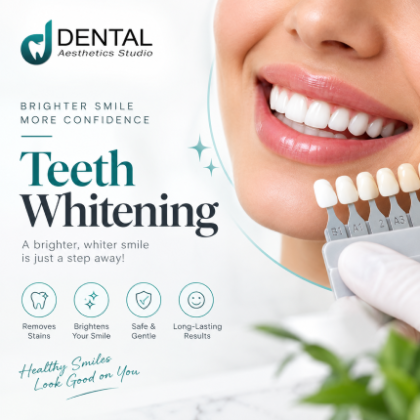
Teeth whitening can make your smile look brighter and improve confidence, but incorrect whitening habits can lead to sensitivity, gum irritation, or disappointing results. Many people make simple mistakes because they assume that using more whitening products or whitening more often will produce better results.
Understanding common mistakes can help you protect your teeth and maintain a brighter smile for longer. Choosing professional teeth whitening also allows a dental professional to assess your oral health and recommend a suitable whitening approach.
Whitening Your Teeth Too Frequently:
One of the most common mistakes is whitening teeth too often. Some people repeat treatments as soon as their teeth begin to lose a little brightness, without considering whether another session is actually necessary.
Frequent whitening may increase the risk of temporary tooth sensitivity and gum irritation. Whitening should follow the schedule recommended by your dentist or the instructions provided with an approved product rather than being performed excessively.
Ignoring Existing Dental Problems:
Another common mistake is whitening teeth without checking their overall health first. Cavities, cracked teeth, gum disease, exposed tooth roots, and enamel problems may need attention before cosmetic whitening.
Whitening will not treat these conditions and may sometimes make sensitivity or discomfort more noticeable. A dental examination before treatment can help identify problems and determine whether whitening is appropriate.
Using Too Much Whitening Product:
More whitening gel does not necessarily mean faster or better results. Applying excessive amounts of whitening product can increase the chance of irritation and sensitivity.
Always use the amount recommended by your dentist or the product manufacturer. Carefully following instructions is one of the simplest ways to make whitening safer and more comfortable.
Leaving Whitening Products on Too Long:
Some people believe that extending the treatment time will make their teeth dramatically whiter. However, leaving a whitening product on longer than directed can increase the risk of sensitivity without providing proportional benefits.
Professional whitening treatments have carefully planned application times. At-home products should also be used exactly according to their instructions. Do not extend treatment simply because you want a faster result.
Choosing Unreliable Whitening Products:
The market contains many whitening products with different ingredients, strengths, and directions for use. Choosing a product simply because it promises extremely fast results can be a mistake.
Some products may be unsuitable for people with sensitive teeth or existing dental concerns. Speaking with a dental professional can help you select an appropriate option and avoid unnecessary risks.
Expecting Whitening to Change Every Tooth:
Whitening primarily affects natural tooth structure. Crowns, veneers, fillings, and other restorations generally do not respond to bleaching in the same way as natural teeth.
If you already have visible dental restorations, whitening may create a difference in shade between natural teeth and treated dental work. A dentist can explain how your existing restorations may affect the final appearance of your smile.
Ignoring Tooth Sensitivity:
Temporary sensitivity is relatively common after whitening, but ignoring discomfort and continuing treatment can make the situation worse. Some people try to tolerate increasing sensitivity because they believe it means the whitening is working.
Sensitivity should be taken seriously. If you experience significant or persistent discomfort, speak with a dental professional before continuing whitening.
Drinking Staining Beverages Immediately After Whitening:
Coffee, tea, cola, red wine, and other strongly colored beverages can contribute to tooth staining. Consuming large amounts of these drinks immediately after whitening may make it harder to maintain your results.
Following your dentist's post-whitening instructions and temporarily limiting heavily pigmented foods and drinks can help protect your newly brightened smile.
Smoking After Teeth Whitening:
Smoking and tobacco use can cause yellow and brown stains on natural teeth. Continuing these habits after whitening can quickly contribute to new discoloration.
Avoiding tobacco can help preserve your whitening results and support healthier gums and teeth. It is also an important part of maintaining good overall oral health.
Brushing Too Aggressively:
Some people brush harder after whitening because they want to keep their teeth as clean and white as possible. However, aggressive brushing can contribute to gum irritation and enamel wear.
Use a soft-bristled toothbrush and gentle brushing movements. Good oral hygiene is about consistency and technique rather than applying excessive pressure.
Using Abrasive Products Excessively:
Whitening toothpastes and other products can help manage certain surface stains, but excessive use of highly abrasive products may contribute to tooth wear over time.
Choose oral-care products appropriate for your needs and follow professional recommendations, especially if you have sensitive teeth or concerns about enamel.
Skipping Aftercare Instructions:
Aftercare plays an important role in maintaining whitening results. Ignoring your dentist's recommendations about food, drinks, oral hygiene, and touch-up treatments may cause results to fade sooner.
Follow the personalized instructions provided after treatment. Patients interested in broader cosmetic smile care can also explore dental aesthetics services for additional treatment options.
Assuming More Whitening Means a Better Smile:
There is a point at which making teeth whiter may not improve the overall appearance of a smile. Natural tooth color, facial features, existing restorations, and tooth proportions all influence how a smile looks.
Instead of aiming for the whitest possible shade, discuss a natural-looking and appropriate result with your dental professional. A personalized approach can help create a balanced smile.
Failing to Maintain Good Oral Hygiene:
Whitening cannot replace regular oral care. Plaque and food buildup can make teeth look dull again, even after a successful whitening treatment.
Continue brushing twice a day, flossing daily, drinking water, and attending regular dental checkups. Good oral hygiene helps protect both the health and appearance of your teeth.
Overusing Home Remedies:
Some people try acidic or abrasive household substances in an attempt to whiten their teeth quickly. These methods may not be safe for enamel and can increase sensitivity or irritation.
Rather than experimenting with unproven whitening methods, choose evidence-based products and professional dental guidance. Safe cosmetic treatment should always consider the health of the teeth and gums.
Not Asking About the Cause of Discoloration:
Not every type of tooth discoloration responds equally to whitening. Surface stains caused by foods and drinks may respond well, while certain internal stains, medication-related discoloration, trauma, or natural dentin color may require a different approach.
Understanding the cause of discoloration helps prevent unrealistic expectations and unnecessary repeated whitening treatments.
Final Thoughts on Teeth Whitening Mistakes to Avoid:
Common teeth whitening mistakes include whitening too frequently, using excessive product, leaving whitening agents on for too long, choosing unreliable products, ignoring dental problems, and neglecting aftercare. These mistakes can increase sensitivity and make it more difficult to maintain your results.
The safest approach is to have your teeth evaluated before treatment and follow professional recommendations throughout the whitening process. For more information about teeth whitening treatment and professional dental care, consult a qualified dental professional for personalized advice:

 English
 Arabic
 French
 Spanish
 Portuguese
 Deutsch
 Turkish
 Dutch
Dutch
 Italiano
 Russian
 Portuguese (Brazil)
 Greek
Greek