


Inside the Production of Food Preparation Paper
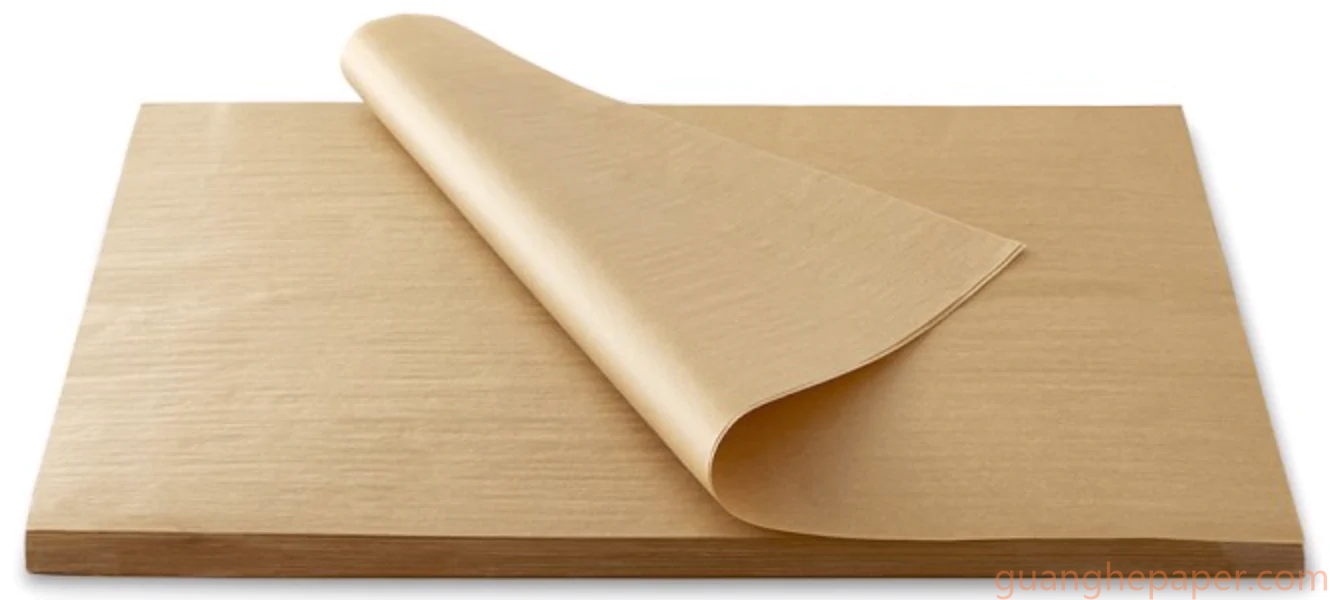
A professional Parchment Paper Factory must coordinate several manufacturing stages to produce paper that performs consistently in real food-processing environments. The finished product may look simple, but its quality depends on the relationship between the base paper, coating system, converting equipment, inspection procedures, packaging, and storage conditions. For bakeries, food manufacturers, distributors, and catering companies, understanding these stages can help them evaluate suppliers more effectively and select paper that fits their operational needs.
The manufacturing process begins with the base paper. The substrate provides the physical structure of the finished material and must be suitable for the intended food application. Food preparation paper may need to withstand folding, cutting, stacking, wrapping, moisture, oils, and repeated handling. A suitable base should be flexible enough for practical use while maintaining sufficient strength during processing and transportation.
The paper’s surface also affects later treatment. A stable and consistent surface helps create more uniform coating coverage. If the substrate has significant variation, the coating may spread or dry differently across the material. This can influence release performance, grease resistance, and the overall appearance of the finished paper. Material selection is therefore an important technical decision rather than a routine purchasing step.
Silicone coating is widely used in baking and parchment-style paper because it can create a non-stick surface. The coating helps food separate from trays, molds, and preparation surfaces after heating. This is useful for cookies, pastry, bread, roasted ingredients, and other products that may adhere to untreated paper or metal. The purpose of the coating is not simply to make the surface smooth. It is to create a controlled interface between food and paper during preparation and release.
Uniform coating is essential for commercial users. If the surface treatment varies across a roll or sheet, food release may become unpredictable. Uneven performance can lead to sticking, torn products, additional cleanup, and more frequent liner replacement. A well-managed production process should therefore control coating application and inspect the finished material for visible or functional inconsistencies.
Grease resistance is another factor connected to surface treatment. Many food products contain butter, oil, sauces, or other ingredients that can penetrate ordinary paper. Properly coated paper helps reduce this migration and supports cleaner handling. This is important in commercial kitchens, where excessive grease can affect trays, work surfaces, storage areas, and packaging. Grease resistance can also help the paper maintain a more orderly appearance when used for takeaway or food presentation.
After coating, the material may be converted into different formats. Large rolls can be slit into narrower widths for specific equipment or applications. Sheets can be cut into standard or customized sizes. Folding operations may be used to create formats that are easier to store, dispense, or place into trays. These processes require accurate equipment and careful control because irregular dimensions can create difficulties during manual or automated use.
Different customers may need different formats even when they purchase similar paper. An industrial bakery may prefer rolls for continuous preparation. A restaurant may need pre-cut sheets for quick service. A food packaging distributor may require individually packed pieces. A manufacturer of air-fried foods may need shaped liners designed for particular cooking baskets. The factory’s converting capabilities can therefore influence whether the material is practical for the customer’s workflow.
Inspection should take place throughout production rather than only after the final package is prepared. The paper surface, coating coverage, cutting quality, dimensions, and packaging condition may all need review. Quality control procedures help identify problems before the product reaches the customer. For food-contact materials, clean handling and suitable packaging are also important because the product must remain protected after manufacturing.
Documentation and traceability are valuable for international B2B buyers. Food manufacturers may need to demonstrate that their packaging and preparation materials meet internal quality requirements or market-specific expectations. A supplier should be able to provide accurate information about the material, coating, intended application, and relevant compliance documents. Buyers should confirm that the documentation applies to the exact product being purchased.
Packaging is part of the manufacturing process because it protects the paper after converting. Rolls may need protection against crushing and moisture, while stacks of sheets may require support to prevent bending or contamination. Clear product identification can help distributors and warehouse operators distinguish between different sizes, formats, and applications. Good packaging also reduces the risk of damage during international transportation.
Storage conditions should be considered from both the factory and customer perspective. Paper can be affected by humidity, pressure, dust, and improper handling. Coated paper should be kept in suitable conditions so that its surface remains protected before use. Buyers may also need to consider how long the material will remain in inventory and whether the packaging is suitable for their warehouse environment.
Customization is another area where factory capability matters. Customers may request different paper formats, packaging arrangements, folding styles, or printed designs. However, customization should begin with a clear understanding of the intended application. The food type, processing method, equipment, packaging system, and storage conditions can all affect whether a requested format is practical. Technical communication before production helps reduce unnecessary revisions.
Sustainability considerations are increasingly relevant in food paper manufacturing. Buyers may ask about unbleached materials, recycled content, responsible sourcing, coating choices, and packaging reduction. These issues should be reviewed alongside performance and food-contact suitability. A paper material must still function properly in its intended process, because failed liners, damaged products, and repeated replacement can increase material consumption.
For international customers, supply reliability also depends on communication and production planning. Clear information about samples, packaging, artwork, order schedules, and shipment preparation can help both sides coordinate more effectively. A factory that understands the customer's application is better positioned to recommend a suitable format and identify possible production issues before manufacturing begins.
The role of a Parchment Paper Factory extends from raw material selection to the final shipment. Consistent coating, accurate converting, careful inspection, protective packaging, and application-based communication all contribute to the usefulness of the finished paper. Companies looking for parchment, baking, greaseproof, or customized food paper can explore product categories and manufacturing information at https://www.guanghepaper.com/product/ before discussing their specific requirements with Zhejiang Guanghe New Materials Co., Ltd.

 English
 Arabic
 French
 Spanish
 Portuguese
 Deutsch
 Turkish
 Dutch
Dutch
 Russian
 Romaian
 Portuguese (Brazil)
 Greek
Greek