


Safety and Maintenance in Flexible Processing Systems
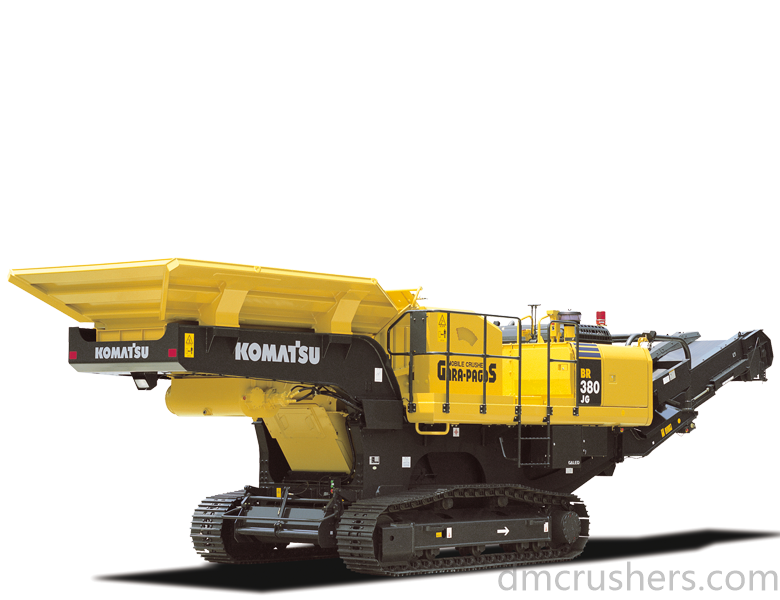
For quarrying, mining, construction, infrastructure, and recycling projects with changing operating locations, a Mobile Crusher can provide a flexible method for reducing and processing suitable materials closer to the work area. Mobility influences more than equipment transportation. It also affects site preparation, feeding arrangements, material flow, maintenance access, safety planning, and the way a complete processing system is organized.
Traditional fixed processing facilities can be suitable for long-term production at a stable location, while mobile equipment may be considered when material sources or project conditions change over time. Construction and demolition recycling is one example, because processing may take place near the location where waste materials are generated. Quarrying and infrastructure projects may also require equipment to move as extraction or construction activities progress. The practical value of mobility depends on the project layout, material type, transport conditions, and required production process.
Material characteristics should be assessed before selecting the equipment configuration. Rock and recycled materials can differ in hardness, abrasiveness, density, moisture, and fracture behavior. Limestone, granite, basalt, concrete, asphalt-related materials, and mixed construction waste may respond differently to mechanical forces. The crushing principle, feeding system, screening arrangement, and wear components should therefore be selected according to the actual feed material and the desired final application.
Mechanical design must balance processing requirements with the demands of relocation. Frames, crushing chambers, shafts, bearings, feeders, conveyors, hydraulic systems, and crawler assemblies may experience repeated vibration and mechanical loading during operation. They must also remain suitable for movement between work sites. A well-integrated design considers both operating stability and transport requirements, while providing reasonable access for inspection and service.
Site preparation remains important even when the equipment is mobile. The supporting surface should be checked for stability, drainage, slope, and load-bearing conditions. The working area should provide enough space for feeding, discharge, inspection, maintenance, and emergency access. Vehicle routes and pedestrian paths should be arranged to reduce unnecessary interaction between moving machinery and personnel. Overhead obstacles, nearby structures, stockpiles, and power lines may also affect equipment positioning.
Feed management has a direct effect on operating stability. A controlled and evenly distributed feed can help reduce sudden loading changes and support more consistent material flow. Oversized objects or unsuitable foreign materials may damage internal components or increase wear. In recycling applications, upstream sorting is particularly important because construction waste may contain metal, wood, soil, masonry, concrete, and other materials. Appropriate preparation can help protect the processing system and improve output consistency.
A mobile unit may operate independently or form part of a wider crushing and screening arrangement. Depending on the project, it can be combined with feeders, screens, conveyors, secondary crushers, and stockpiling equipment. The relationship between these stages determines how efficiently material moves through the process. If the screening or conveying stages cannot match the output of the crushing equipment, material may accumulate or require unnecessary recirculation.
Wear management should be included in the equipment selection process. Crushing components that contact abrasive feed material gradually experience surface loss and mechanical stress. Liners, plates, impact surfaces, bearings, and other exposed components should be inspected regularly. The selection of wear-resistant materials needs to consider both hardness and toughness, because a component that is very hard may not always be suitable for applications involving repeated impact.
Safety procedures should be adapted to each new site. Mobile equipment may encounter different ground conditions, traffic patterns, nearby workers, and environmental hazards after relocation. Guards should restrict access to hazardous moving components, while emergency stopping devices should remain accessible and functional. Operators need appropriate training in both machine operation and site-specific risks. Maintenance personnel should isolate relevant energy sources before inspection, cleaning, adjustment, or repair.
Dust and noise control also require attention. Crushing, screening, and material transfer can generate airborne particles and elevated noise levels, particularly when dry materials are processed. Depending on the location and applicable requirements, water suppression, extraction, enclosure, ventilation, or suitable personal protective equipment may be necessary. Good housekeeping can reduce accumulated material around the equipment and make routine inspections easier.
Maintenance planning should cover both the processing system and the mobility-related components. Inspection routines may include wear parts, bearings, lubrication systems, hydraulic lines, crawler assemblies, fasteners, structural connections, conveyors, and safety devices. Unusual vibration, temperature changes, noise, or material flow may indicate a developing issue. Maintaining clear service records is useful when equipment moves between different projects because technicians can review previous inspections and repairs.
Digital monitoring can provide additional information about equipment condition and process behavior. Sensors and control systems may help track operating status, temperature, vibration, or other indicators. This information can support troubleshooting and maintenance planning, but it should complement physical inspection and professional judgment. Material changes, site conditions, and unexpected mechanical behavior still require experienced personnel to evaluate the situation.
Resource utilization is another important consideration. Processing material closer to its source may reduce unnecessary internal transportation and handling, depending on the project layout. Suitable construction and demolition materials may also be recovered for reuse when their quality meets the requirements of the intended application. A carefully planned mobile process can support more efficient material management while addressing the practical demands of temporary or changing work sites.
When selecting a Mobile Crusher, companies should evaluate material characteristics, site conditions, relocation requirements, feed preparation, process integration, wear management, maintenance access, safety procedures, and environmental controls together. A broader comparison of stationary equipment and long-term production solutions is available through https://www.dmcrushers.com/product/stationary-crusher/ when developing an appropriate aggregate processing strategy.

 English
 Arabic
 French
 Spanish
 Portuguese
 Deutsch
 Turkish
 Dutch
Dutch
 Italiano
 Russian
 Romaian
 Portuguese (Brazil)