


Advanced Fastening Preparation for Modern Apparel Manufacturing
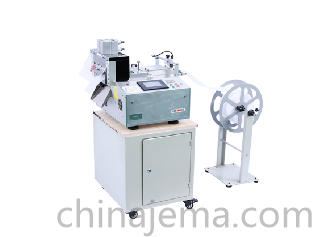
Fastening components have an important role in both the function and appearance of clothing, making button attachment a meaningful part of modern garment manufacturing. Buttons are used on shirts, coats, uniforms, dresses, workwear, children's clothing, and fashion accessories. Although they are small components, their placement and stability can influence how a garment looks, how easily it can be used, and how comfortable it feels during everyday wear.
Buttons can be produced from plastic, resin, metal, wood, shell, or other materials, while fabrics may include cotton, polyester, wool, denim, blended textiles, and stretch materials. These combinations create different production conditions. A fastening process needs to consider the relationship between the button and the fabric, including material thickness, flexibility, surface structure, and the intended use of the garment. Material compatibility is therefore an important part of reliable production planning.
Automation can support greater consistency in repeated fastening operations. Manual work requires operators to position components and fabrics again and again, which can become tiring during long production periods. Differences in working speed or placement may also affect the final result. Automated equipment can organize repetitive actions into a more controlled sequence, helping manufacturers maintain stable production practices across larger quantities.
Positioning is particularly important because a button needs to correspond with its matching opening or fastening structure. Even a small difference in placement can affect the appearance or usability of a garment. Consistent processing helps reduce unnecessary adjustments during sewing and inspection. It also allows downstream operators to work with greater confidence because the components have been prepared according to an organized production method.
Fabric behavior can influence fastening performance. Lightweight textiles may require careful support to avoid distortion, while thick fabrics may create different mechanical demands. Stretch materials can move or change shape when tension is applied. A suitable production process should account for these differences rather than applying one identical method to every textile. This approach can help manufacturers maintain a better balance between efficiency, material protection, and final garment quality.
The consumer experience is closely connected with fastening reliability. People expect buttons to remain secure, feel comfortable, and operate naturally. A button that is difficult to use or poorly positioned can affect the convenience of a garment. In contrast, dependable fastening supports confidence during daily activities. These details may not be visible in a product description, but they can influence how consumers judge the comfort and practicality of clothing.
Buttons also serve an aesthetic purpose. Their shape, color, texture, and material can contribute to a garment's overall design. Some brands use buttons as recognizable decorative elements, while others select them to create a subtle and functional appearance. Manufacturing technology must therefore support more than mechanical attachment. It should also fit the visual and material requirements established by designers and apparel brands.
JEMA considers textile machinery within the wider context of garment production. Fastening operations may connect with fabric preparation, sewing, inspection, finishing, and packaging. When these stages are coordinated, manufacturers can reduce unnecessary handling and improve the movement of products through the factory. Automated fastening becomes more useful when it contributes to an integrated workflow rather than operating independently.
Production flexibility is another important factor. Apparel manufacturers often work with different garment styles, fabric types, button materials, and order quantities. A flexible production environment can help companies respond to new designs and changing market requirements. Automation can support this adaptability by organizing repeated processes while allowing operators to manage material changes and production adjustments.
Sustainability also influences modern manufacturing decisions. Better process control can help reduce rework and material waste caused by inconsistent fastening. More organized operations may improve the use of labor, materials, and energy throughout the production process. In addition, reliable garment construction can support longer product use, which is relevant to manufacturers considering product durability and responsible consumption.
Human involvement remains important in automated production. Workers continue to manage setup, material loading, inspection, maintenance, and quality decisions. Equipment that is practical to operate can help employees work more effectively with automated systems. The goal is to combine mechanical consistency with human judgment, creating a production environment that is efficient while remaining adaptable.
As garment manufacturing develops, button attachment connects material technology, fastening function, design requirements, and consumer comfort. It is not simply a final assembly action but part of a broader system of textile preparation and production control. Manufacturers interested in modern apparel machinery can explore JEMA's product range at https://www.chinajema.com/product/ when considering more organized and adaptable fastening workflows.

 Arabic
 French
 Spanish
 Portuguese
 Deutsch
 Turkish
 Dutch
Dutch
 Italiano
 Russian
 Romaian
 Portuguese (Brazil)
 Greek
Greek