


Material and Design Strategies for Modern Speed Hump Systems
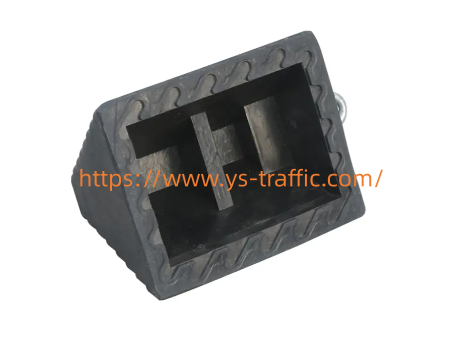
Traffic-calming equipment can influence vehicle movement, pedestrian awareness, and the overall organization of parking areas, private roads, industrial sites, and shared access routes. For organizations selecting a Speed Hump, the decision should extend beyond the basic idea of slowing traffic. Material selection, purchasing considerations, structural engineering, manufacturing technology, user experience, maintenance, visibility, and appearance can all affect how naturally the product fits the surrounding environment.
Material selection provides an important foundation for road-safety product development. Traffic facilities may encounter sunlight, rainfall, dust, mud, oil residue, changing weather, vehicle contact, and frequent cleaning. Manufacturers can therefore consider impact resistance, weather resistance, structural stability, surface durability, flexibility, and compatibility among different materials. Rubber, plastic, metal reinforcement, reflective elements, and fastening components may serve different purposes within one coordinated product.
The relationship between the product and the road surface is particularly important. Traffic-calming equipment may be installed on asphalt, concrete, paving blocks, private driveways, parking floors, or industrial access areas. Designers can consider ground contact, fastening points, edge transitions, surface grip, and alignment during development. These relationships can influence installation convenience and help the product remain visually and physically connected with the road.
Purchasing decisions should begin with the traffic environment rather than the product category alone. Residential communities may prioritize controlled vehicle movement and visual harmony, while factories, logistics areas, parking facilities, schools, and commercial properties may have different operational requirements. Buyers can consider traffic flow, entry and exit areas, pedestrian movement, visibility, maintenance routines, installation conditions, and future site changes before selecting a suitable design.
The location of the traffic-calming product within the property also matters. A facility placed near an entrance can have a different visual and operational relationship from one located within a parking area or private roadway. Buyers can review nearby signs, barriers, lighting, pavement markings, landscaping, and pedestrian routes to understand how the product will interact with the complete site.
Supplier evaluation is another important purchasing consideration. Businesses can review manufacturing experience, material knowledge, product-development capability, moulding or forming expertise, quality management, customization support, packaging organization, and technical communication. A supplier familiar with traffic-facility applications can provide more practical guidance when customers are planning different environments. Tiantai Yongsheng Traffic Facilities Co., Ltd. develops traffic and safety-related products with attention to varied customer applications and practical production needs.
Functional engineering determines how the product supports controlled vehicle movement. Designers need to coordinate the raised surface, road-contact areas, fastening structures, reflective sections, and surrounding transition zones. The product should remain easy to recognize while fitting naturally into the movement pattern of the site. Practical engineering also considers installation, inspection, cleaning, removal, and replacement.
Visibility plays a major role in traffic-calming product design. Drivers and pedestrians need to recognize changes in the road environment, especially in busy parking areas, industrial facilities, private communities, and access roads. Designers can consider contrasting colors, reflective materials, surface markings, visual contours, and surrounding signs to create clearer recognition without making the product visually disconnected from the site.
Installation technology can also influence the user's experience. A traffic facility may need to be positioned accurately and secured to the existing surface without unnecessary complexity. Engineers can consider connection arrangements, fastening access, section alignment, and ground preparation during development. A more understandable installation process can benefit contractors, property teams, and maintenance personnel.
Manufacturing technology supports the transition from design concepts to finished products. Digital modelling allows engineers to review surface contours, ground contact, connection areas, reflective elements, and structural relationships before production begins. Rubber processing, moulding, forming, cutting, bonding, assembly, surface treatment, and inspection can then be coordinated to support consistent manufacturing.
Production feedback can provide valuable information for future refinement. Factory teams may identify opportunities to simplify assembly, while inspection personnel can provide observations about surface consistency and component relationships. Contractors and site managers can also share practical feedback about installation, cleaning, visibility, movement, and storage. This information can help manufacturers make future traffic products more responsive to real working conditions.
User experience involves more than the driver. Installers, property managers, maintenance teams, pedestrians, security personnel, and vehicle operators may all interact with the facility. Recognizable surfaces, practical installation arrangements, clear visual signals, and manageable maintenance can make the product easier to understand and use within different environments.
Maintenance should be considered during the initial design stage. Roadside products can collect dust, mud, leaves, moisture, tire residue, and oil-related contamination. Durable surfaces and accessible fastening areas can support easier cleaning and inspection. Designers can also consider whether damaged or worn components can be handled without unnecessarily affecting nearby site structures.
Storage and transport are relevant for reusable traffic products. Businesses may move equipment between warehouses, construction projects, temporary parking areas, events, or maintenance locations. Practical product shapes, organized packaging, protected surfaces, and clear identification can make these activities easier for distributors, contractors, and facility teams.
Design and appearance contribute to the overall visual organization of traffic-management areas. Shape, surface texture, color, reflective details, and section alignment can influence whether a product blends into the site or remains visually distinct. Designers can coordinate these elements with pavement markings, signs, barriers, lighting, and surrounding architecture.
Customization gives municipalities, property managers, contractors, logistics companies, factories, parking operators, retailers, distributors, and private-label brands more flexibility. Different projects may require alternative visual treatments, fastening arrangements, surface finishes, reflective concepts, branding elements, or coordinated traffic products. Flexible development can accommodate these needs while keeping engineering and manufacturing organized.
Sustainability can also influence traffic-facility development. Efficient material use, reduced manufacturing waste, durable construction, reusable packaging, repair-friendly components, and longer product lifecycles can support more thoughtful resource management. These considerations can be integrated with installation, maintenance, visibility, and site organization.
Quality management connects material preparation, moulding or forming, surface treatment, reflective-element integration, assembly, inspection, packaging, and customer feedback. Information from traffic managers, contractors, installers, property teams, distributors, and end users can provide useful insight into visibility, handling, cleaning, installation, maintenance, and everyday site use.
Tiantai Yongsheng Traffic Facilities Co., Ltd. continues developing traffic-facility and road-safety products through practical manufacturing experience, coordinated engineering, flexible product development, and quality-focused processes. Its approach connects material selection, traffic-calming structure, road integration, visibility, installation, maintenance, user experience, customization, and visual design throughout product development. More information about its products and manufacturing capabilities is available at https://www.ys-traffic.com/.

 English
 Arabic
 Spanish
 Portuguese
 Deutsch
 Turkish
 Dutch
Dutch
 Italiano
 Russian
 Romaian
 Portuguese (Brazil)
 Greek
Greek