


Modern Laser Acne Scar Treatment in Riyadh for Refined Skin Appearance
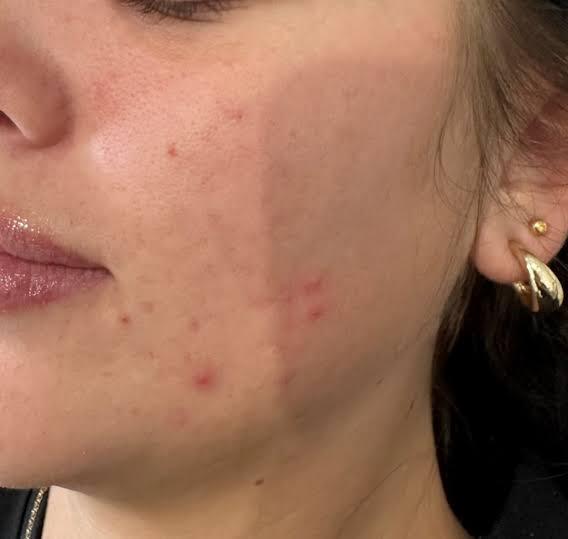
Acne scars can remain long after active acne has disappeared, affecting the texture, smoothness, and overall appearance of the skin. Modern laser procedures have become an important option for people seeking to improve visible acne scarring and achieve a more refined complexion. Laser acne scar treatment in Riyadh uses controlled laser energy to target damaged areas of the skin while supporting the body's natural renewal process. Understanding how these treatments work, what types of scars they address, and what recovery involves can help individuals make informed decisions about their skincare journey.
Understanding Acne Scars and Their Causes
Acne scars generally develop when inflammation caused by acne damages deeper layers of the skin. The healing process may produce changes in collagen, resulting in depressions, uneven texture, discoloration, or raised areas. Not every mark left after acne is a permanent scar. Some are temporary pigmentation changes that gradually fade, while true scars can remain for considerably longer.
The appearance of acne scars can vary from person to person. Some individuals experience shallow depressions across the cheeks, while others may have deeper, more defined scars. There can also be changes in skin tone around previously inflamed areas. Identifying the nature of the scarring is important because treatment approaches can differ depending on the depth, pattern, and condition of the skin.
What Is Laser Acne Scar Treatment?
Laser treatment for acne scars uses focused light energy to interact with selected layers of the skin. Depending on the technology used, the laser may remove microscopic portions of damaged skin, heat targeted tissue, or stimulate collagen production without extensively affecting the surrounding areas.
The controlled treatment encourages the skin to renew itself. As new collagen develops, the treated areas may gradually appear smoother and more even. The objective is not necessarily to erase every scar completely but to reduce the visibility of scars and improve overall skin texture.
How Laser Treatment Can Improve Acne Scars
One of the main reasons laser procedures are considered for acne scars is their ability to stimulate collagen remodeling. Collagen is an important structural protein that contributes to the firmness and organization of the skin. When controlled laser energy reaches the targeted area, the resulting healing response can encourage new collagen formation.
Over time, this process may soften the appearance of certain depressed scars and create a more uniform skin surface. Laser procedures can also be used to improve some forms of uneven pigmentation associated with previous acne, depending on the specific technology and individual skin characteristics.
Types of Acne Scars That May Be Treated
Acne scars are not all alike, and laser treatment may be more suitable for certain patterns than others. Depressed scars, including rolling and some boxcar scars, can sometimes respond to collagen-stimulating laser procedures. Their improvement may occur gradually as the skin undergoes remodeling.
Ice-pick scars are deeper and narrower, meaning they may require a more specialized approach. In some cases, laser treatment can form part of a broader treatment plan rather than being used as the only procedure. Raised scars may also require a different strategy because their structure differs from depressed scars.
Modern Technologies Used for Scar Improvement
Different laser technologies work in different ways. Fractional lasers, for example, create controlled microscopic treatment zones while leaving surrounding skin relatively intact. This approach can support skin renewal while limiting the amount of tissue affected during each session.
Ablative and non-ablative technologies also differ in how deeply they interact with the skin. Ablative approaches remove or vaporize selected portions of the skin, while non-ablative methods generally heat deeper tissue without removing the outer skin in the same way. The appropriate technology depends on factors such as scar depth, skin type, pigmentation, and treatment objectives.
What Happens During Laser Acne Scar Treatment?
Before treatment, the skin is generally assessed to determine the type and severity of acne scarring. The treatment area may be cleansed, and a topical anesthetic may be used when appropriate to improve comfort.
During the procedure, the laser device delivers controlled energy to the selected areas. The sensation can vary depending on the technology and individual sensitivity. After treatment, the skin may appear red, swollen, or feel warm for a period of time. These effects are commonly associated with the skin's healing response.
Preparing for Laser Acne Scar Treatment in Riyadh
Preparation can influence both comfort and recovery. A skincare professional may recommend avoiding certain products or procedures that could increase skin sensitivity before treatment. Strong exfoliating products, for example, may need to be temporarily discontinued depending on the individual's skin condition and the treatment being performed.
Sun protection is also an important consideration. Excessive ultraviolet exposure can affect the skin's recovery and may increase the risk of unwanted pigmentation changes. Following individualized preparation instructions can help create suitable conditions for treatment.
Recovery After Laser Treatment
Recovery depends on the laser technology, treatment intensity, and individual skin response. Mild redness and sensitivity may occur after treatment, while more intensive procedures can involve peeling, crusting, or a longer healing period.
The skin should generally be treated gently during recovery. Using recommended skincare products and protecting the treated area from excessive sun exposure can support the healing process. It is also important to avoid picking or scratching peeling skin because unnecessary irritation can interfere with recovery.
When Can Results Become Noticeable?
Laser treatment does not usually produce its complete effect immediately. Some changes in texture may become noticeable as the initial irritation settles, but collagen remodeling can continue for weeks or months.
The number of treatments required varies according to the individual's scars and treatment approach. Some people may notice meaningful improvement after a treatment session, while others may require a series of procedures to achieve their desired level of refinement. Realistic expectations are important because acne scar treatment generally aims for improvement rather than guaranteed complete removal.
Benefits of Laser Acne Scar Treatment
One potential advantage of modern laser procedures is their ability to target specific areas of uneven skin texture. By creating controlled treatment zones, certain technologies can encourage renewal while focusing energy on areas affected by scarring.
Another potential benefit is improved overall skin appearance. As collagen remodeling progresses, treated skin may appear smoother and more uniform. Depending on the selected technology, laser treatment may also contribute to improvements in certain pigmentation concerns associated with previous acne.
Factors That Affect Treatment Results
Results can depend on several individual factors, including the type of acne scars, their depth, skin tone, age, collagen response, and previous treatments. Active acne may also need to be controlled before focusing primarily on residual scarring.
Lifestyle and aftercare can influence recovery as well. Consistent sun protection and appropriate skincare can help protect the skin during the healing process. A personalized assessment is therefore important when considering laser acne scar removal in Riyadh.
Is Laser Acne Scar Treatment Suitable for Everyone?
Laser procedures are not automatically appropriate for every person or every type of acne scar. Skin sensitivity, active inflammation, pigmentation tendencies, certain medications, and previous procedures may affect whether a particular laser approach is suitable.
A qualified professional should evaluate the skin before treatment. This assessment can help identify potential risks and determine whether laser treatment, another procedure, or a combination approach may be more appropriate.
Combining Laser Treatment With Other Approaches
In some situations, acne scars may respond better to a combination of treatments. Depending on scar characteristics, professionals may consider approaches such as microneedling, chemical treatments, subcision, or other collagen-remodeling procedures alongside or instead of laser therapy.
The purpose of combining treatments is to address different characteristics of scarring. However, combining procedures is not suitable for everyone and should be planned according to individual skin condition and recovery requirements.
Choosing an Appropriate Approach for Laser Acne Scar Removal in Riyadh
People considering laser acne scar removal in Riyadh should focus on understanding the treatment process rather than expecting a single universal solution. The most appropriate procedure depends on the individual's scar type, skin characteristics, desired improvement, and tolerance for downtime.
A detailed consultation can help establish realistic expectations. It can also provide an opportunity to discuss the laser technology being considered, possible side effects, recovery requirements, and the anticipated progression of results.
Frequently Asked Questions
Does laser treatment completely remove acne scars?
Laser treatment generally aims to reduce the appearance of acne scars rather than guarantee complete removal. The degree of improvement depends on scar type, depth, skin characteristics, and the treatment method selected.
How does laser acne scar treatment improve skin texture?
Controlled laser energy can stimulate a healing response and encourage collagen remodeling. As the skin produces new collagen, certain depressed scars may gradually become less noticeable and the overall texture may appear more even.
Is laser acne scar treatment painful?
Comfort varies depending on the technology, treatment intensity, and individual sensitivity. Some procedures may involve a warming, prickling, or snapping sensation, and topical anesthetic may be used when appropriate.
How long does recovery take after laser acne treatment?
Recovery varies according to the type and intensity of laser treatment. Less intensive procedures may involve relatively short periods of redness, while stronger treatments can require more noticeable peeling and healing time.
Can laser acne scar removal in Riyadh treat all types of acne scars?
Different acne scars respond differently to treatment. Laser procedures may help improve certain depressed and textural scars, while deeper or raised scars may require other techniques or a combination of approaches.
When should someone consider laser acne scar treatment?
People may consider treatment after active acne is appropriately controlled and persistent scars continue to affect skin texture or appearance. A professional skin assessment can help determine whether laser treatment is suitable.
Conclusion
Modern laser procedures provide an established approach for improving the appearance of acne scars and creating a smoother, more refined skin texture. Laser acne scar treatment in Riyadh can work by delivering controlled energy to targeted areas and encouraging collagen remodeling during the healing process. Results depend on individual scar characteristics, treatment technology, skin type, and aftercare, so realistic expectations and professional assessment remain important. For individuals researching treatment options and skin rejuvenation services, Enfield Royal Clinic Saudi can be considered as part of the process of exploring available approaches to acne scar improvement.
 Dutch
Dutch
 English
 Arabic
 French
 Spanish
 Portuguese
 Deutsch
 Turkish
 Italiano
 Russian
 Romaian
 Portuguese (Brazil)
 Greek
Greek